
Free in-home measure and quote - PGT, CGI and CWS impact lines compared on your actual openings, style by style
Sliding glass doors
Impact garage doorsPGTCGI
 Before
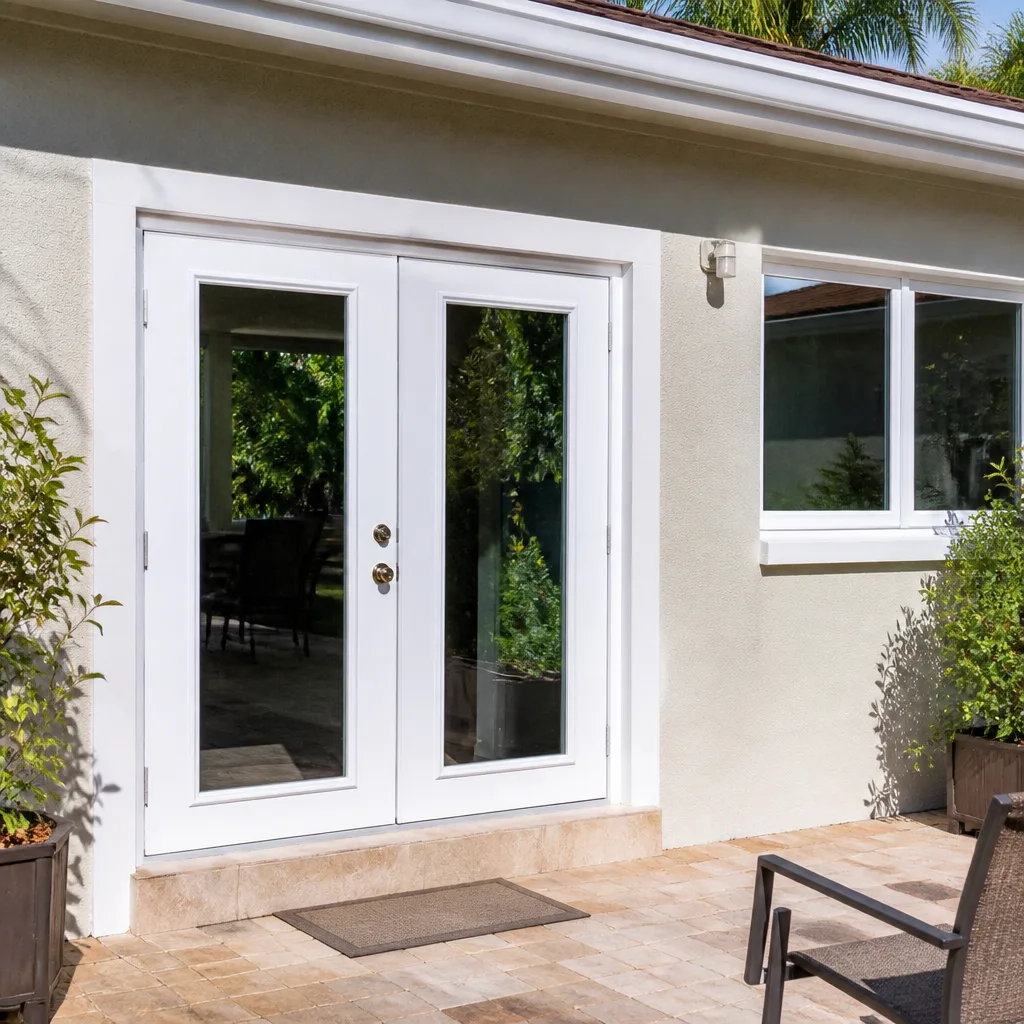 After
After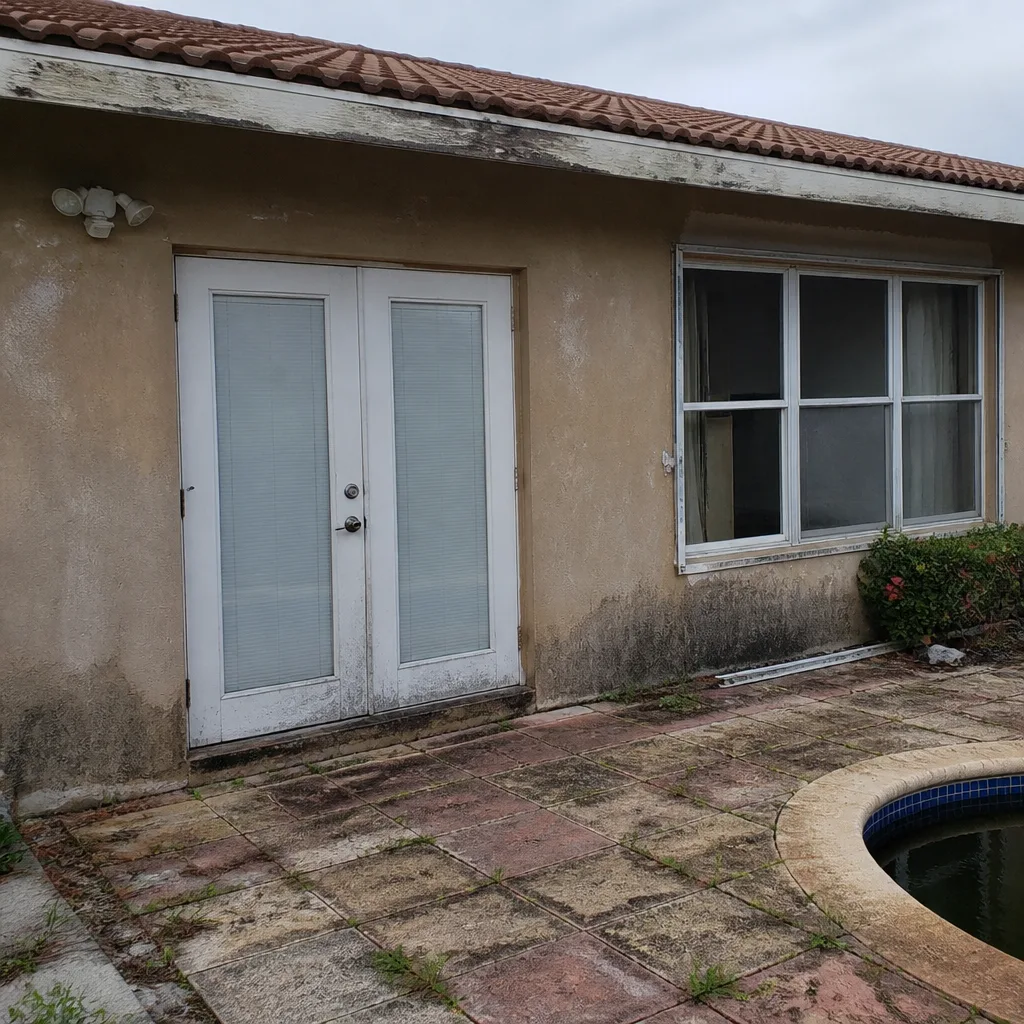 Before
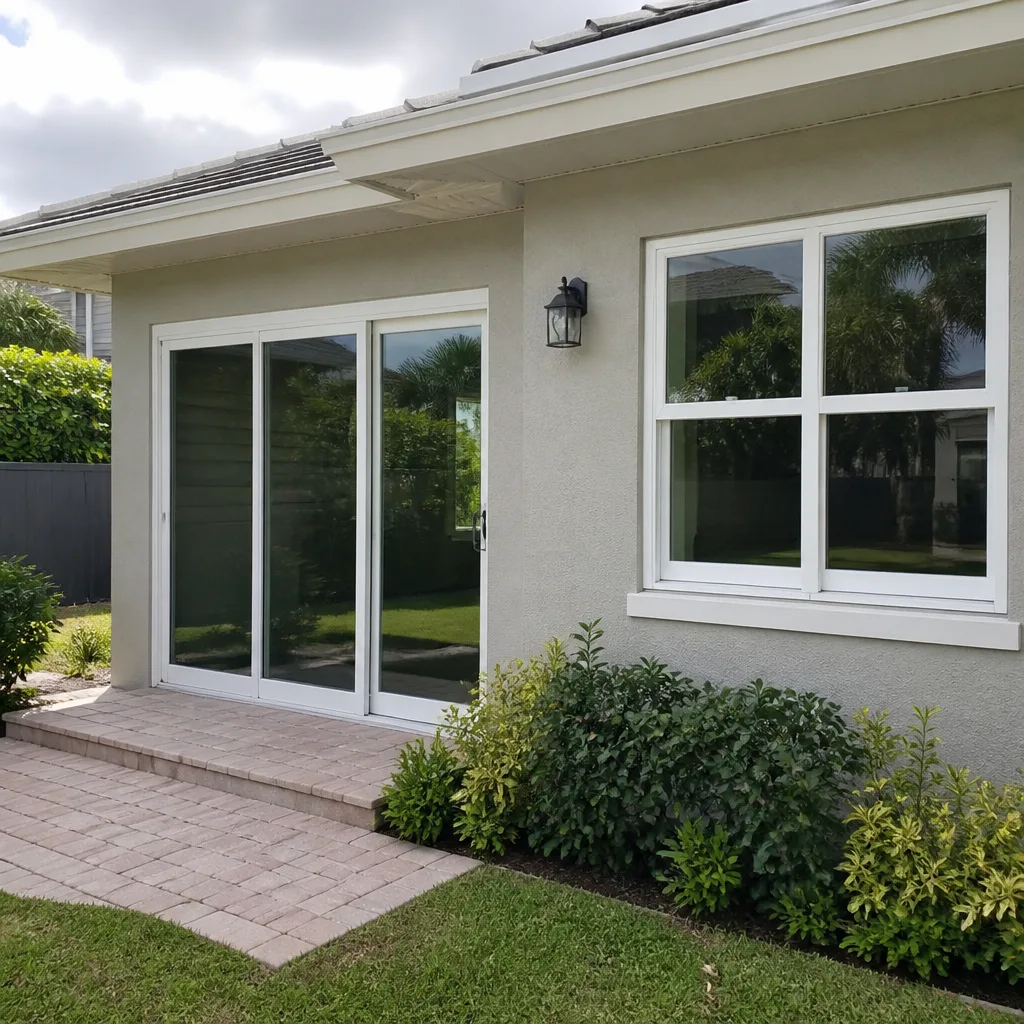 After
After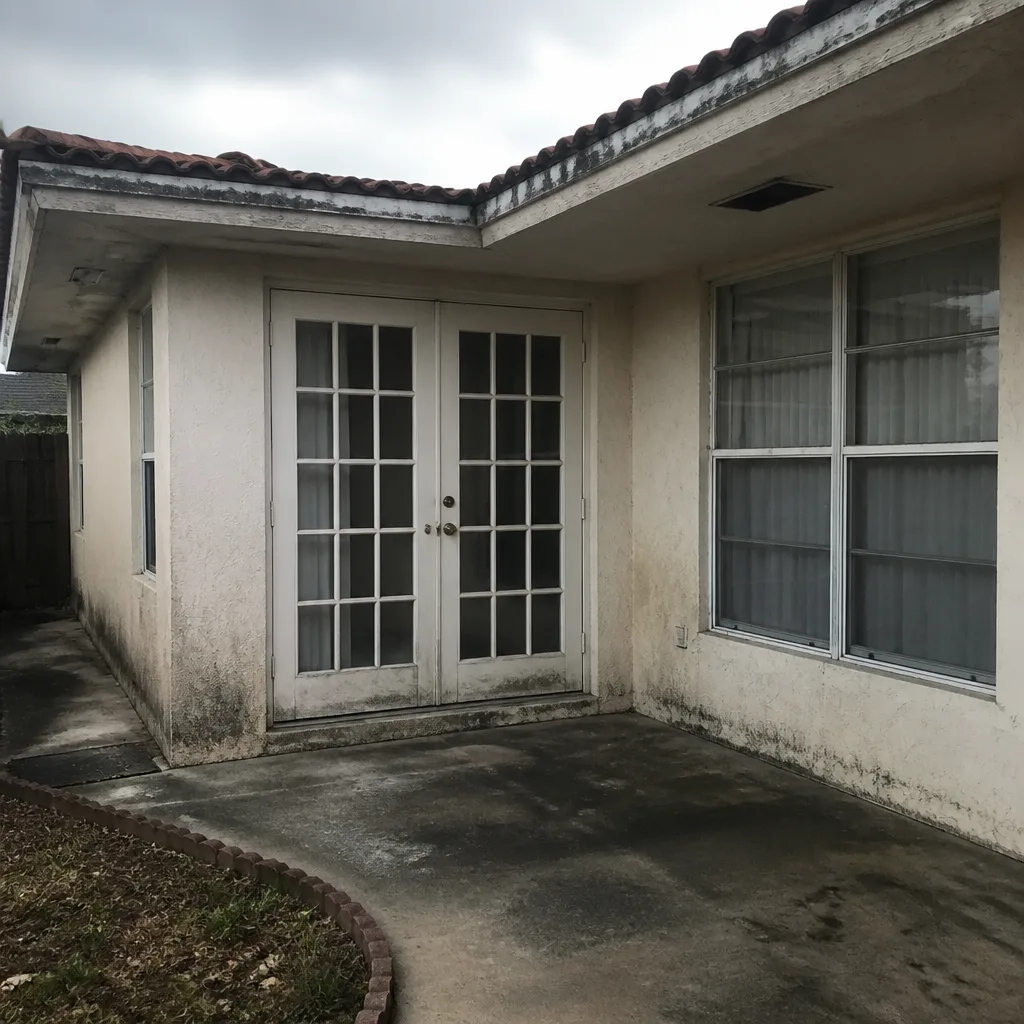 Before
 After
AfterDesign Pressure Ratings on Windows in Lauderhill, FL: What the Numbers Mean and Why They Matter Here
A window’s design pressure (DP) rating is the measurable wind load, in pounds per square foot (psf), that a window can withstand before failing structurally. In Lauderhill, every replacement window must carry a minimum DP rating set by Broward County’s High-Velocity Hurricane Zone code, which is stricter than the requirement in most of the country. When a window says DP 50, that’s the tested performance, not a manufacturer’s guess.
We explain this to homeowners several times a month because the number shows up on permits, product labels, and insurance carrier checklists. Understanding it helps you read a quote honestly. And in this city, the number is not optional advice. It’s the difference between a window that keeps its seal in August and one the inspector will not sign off on.
What a Design Pressure Rating Actually Measures
DP rating measures two forces at once: the positive pressure pushing against the glass and frame from outside, and the negative pressure pulling from inside as wind passes over the structure. A window rated DP 50 has been tested to withstand 50 pounds of force per square foot without cracking, bowing, or pulling from its anchors.
Most residential windows in South Florida carry ratings between DP 35 and DP 70. Impact windows made by manufacturers like CGI, CWS, and ES Windows typically sit in the DP 50 to DP 60 range for standard openings, while larger sliding doors can test to DP 65 or higher because of the wider span. The larger the glass area, or the higher the window on the wall, the higher the required rating in Lauderhill.
There is a common mistake worth clearing up: DP rating is not the same as impact rating. Impact rating tells you the glass can take a flying 2×4 at 34 mph without breaching. DP rating tells you the whole assembly, frame, glass, anchors, and all, holds together under sustained wind load. Lauderhill’s permit office wants proof of both, and the paperwork lists them separately.
How Lauderhill’s HVHZ Code Sets the Floor
Lauderhill sits entirely inside Broward County’s High-Velocity Hurricane Zone. That means every window and door installed here must carry Florida or Miami-Dade product approval for the wind pressures specific to this region. The code does not stop at the product label. The engineer stamps the opening schedule, and the inspector checks the product number against the approved drawings.
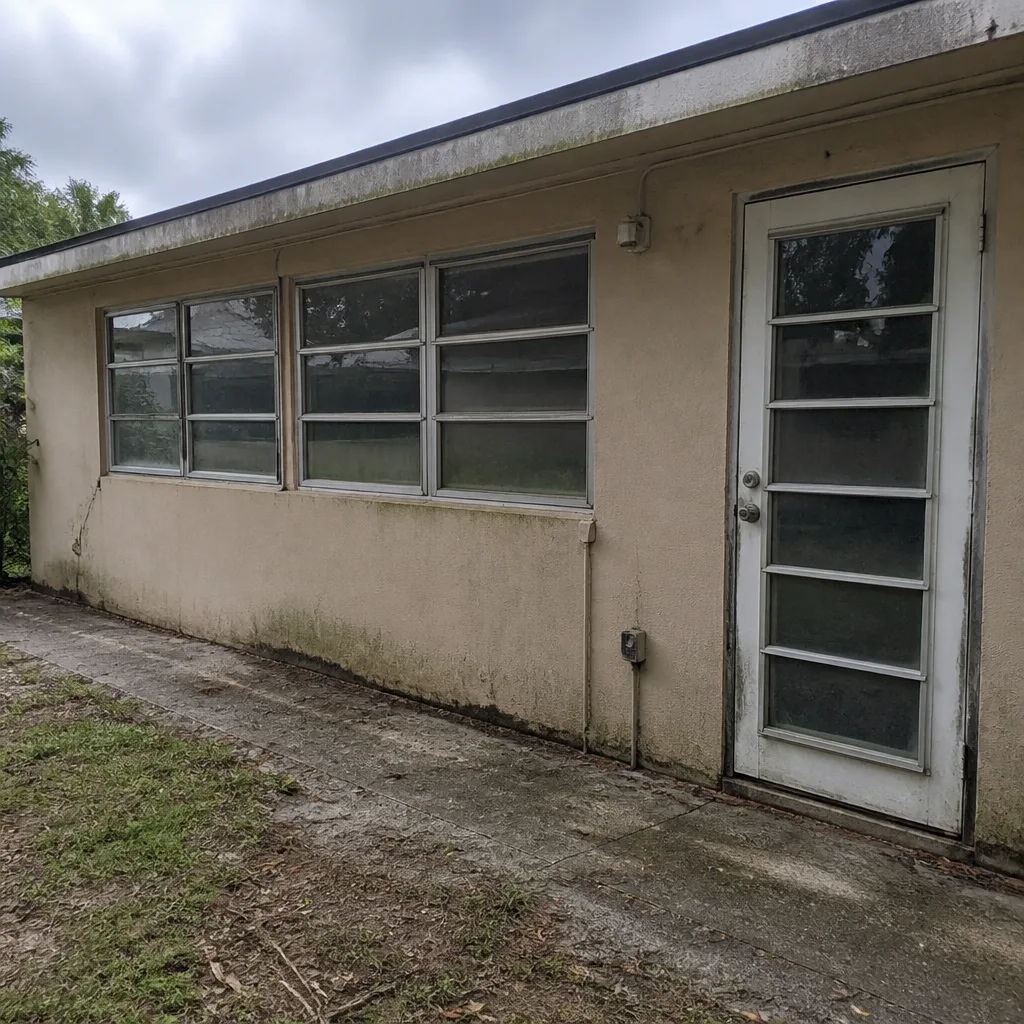
A lot of the homes we walk into in neighborhoods like Inverrary and the blocks north of Oakland Park Boulevard still have original single-pane aluminum sliders and jalousie windows rated nowhere near current code. Those windows were fine when the house was built in 1972. They are not fine now. Broward insurers actively surcharge or flat-out non-renew policies on homes with non-impact openings, and jalousie windows in particular get flagged as uninsurable.
The practical result for a Lauderhill homeowner is this: you cannot buy a cheap builder-grade window from a big-box shelf and pull a permit. The window on the shelf may not meet the wind load required for your wall height and exposure. That’s the reason we quote manufacturer lines side by side on paper, with the product approval number visible. As Dale Kessler puts it, “If the spec sheet doesn’t back it up, we don’t say it.”
Common Scenarios We See in Lauderhill
After four decades of setting windows here, we can tell you how this plays out on real streets:
- Century Village and other 55+ condo communities. Thousands of units still have original aluminum jalousie or awning windows that cannot be permitted under today’s code. Association rules often require each owner to handle replacement, but the opening size and the CBS wall condition vary unit to unit. We measure every opening twice because a sixteenth of an inch matters in a concrete block wall.
- 1960s-1970s CBS ranch homes. Original windows are typically set directly into the block with no buck frame, which makes the pull of wind load against the anchors the critical failure point. The old windows cheated the DP requirement simply because they were small. Replace them with a larger fixed or sliding unit and the engineering changes.
- Newer homes with failed seals. Some houses in Lauderhill got impact-rated windows after Hurricane Andrew, but seals fail after fifteen or twenty years in our heat and humidity. A fogged window is not just cosmetic. The gas fill is gone and the thermal performance has dropped enough that your cooling bill notices before you do.
We also see a lot of aluminum frames pitting and oxidizing within a few years because of the UV exposure and the salt in the air even ten to fifteen miles inland. That pitting is where water finds its way in. A DP rating from the factory does not protect a frame that has corroded around the weep holes.
What You Should Ask When Comparing Quotes
If you are getting three bids on windows in Lauderhill, here’s what separates an honest quote from a vague one:
- Ask for the product approval number. Every HVHZ-compliant window has one. If the salesperson cannot produce it, the window may be fine in West Palm Beach but not permitted here.
- Confirm the DP rating printed on the quote, not just the brand name. A manufacturer’s budget line may be DP 35. A mid-tier line from the same brand may be DP 50. The quote should say which one you’re buying.
- Check that the warranty registration is in writing before the crew leaves. TruePane registers both manufacturer warranty layers on every job and states the durations on the invoice. It’s part of The Keystone Standard, and it’s the difference between a warranty that exists and one that gets honored.
Does a Higher DP Rating Cost More?
Yes, but not as much as most people expect. In the Lauderhill market, the price difference between a DP 35 single-hung and a DP 50 impact-rated single-hung from the same manufacturer typically runs $80 to $180 per window, depending on size and glass package. When you spread that over a home with twelve or fourteen openings, it’s real money, but it is not the $500-per-window jump some sales pitches imply.
The bigger cost variable is the opening condition. Older CBS homes often require anchor adjustments or buck-frame work to accept a modern impact window with the proper DP rating. That’s where the written estimates we do start to differ from a quote scribbled on a clipboard. We measure, we show you the manufacturer sheets for lines like ES Windows or ECO Window Systems when they fit the job, and the price on the paper is the price on the bill.
If you’re comparing a repair against a replacement, the honest answer in Lauderhill is usually this: if the glass is intact but the frame is pitted or the seal is gone, replacement outperforms repair for the money after year five. If the frame is sound and only the glass unit failed, a reglaze can buy you several years. We’ll tell you which one your window actually needs and quote both when it’s a close call.
FAQs
A good DP rating for windows in Florida is DP 50 or higher for most residential openings, which meets the wind load requirements in Broward County’s High-Velocity Hurricane Zone for standard wall heights. Larger windows, doors, and upper-floor openings may need DP 60 or more, and the engineer of record determines the exact number from the opening schedule.
Yes, some impact-rated windows carry a DP rating as low as 35, which is why you should never confuse impact approval with structural wind load rating. Impact rating covers missile resistance, and DP rating covers the frame and glass assembly holding together under sustained pressure; both numbers appear on the approval label and both must meet Lauderhill’s code minimums.
Broward County requires every replacement window to meet the wind load determined by the project’s engineering calculations, which typically falls between DP 45 and DP 60 for residential work depending on window size, height above grade, and exposure category. A product listed for Miami-Dade or HVHZ use with the matching approval number satisfies this when installed to the manufacturer’s spec.
Look for a small etched label or sticker in the corner of the glass, usually in the lower left, where the manufacturer’s name, product line, and performance ratings are printed in fine white or gray text. If the window is original to a 1960s or 1970s Lauderhill home, the label is likely gone or was never there, and the window is almost certainly below current DP requirements.
If you’d rather have it looked at, TruePane’s impact window installations in Lauderhill include a written assessment of every opening, with the DP and impact ratings shown side by side on paper. Call us at (850) 303-7739 for a free estimate. We’re also home to homeowners throughout Broward County who want a window job done right the first time.
Written by Dale Kessler, Owner, TruePane Windows & Doors at TruePane Windows & Doors, serving Lauderhill, FL.
Six Reasons Homeowners Choose TruePane Windows & Doors
Impact systems engineered to design pressures up to +/-100, matched to your wind zone - your openings hold when the storm arrives.
Low-E insulated impact glass from our manufacturer lines commonly cuts monthly cooling bills 20-30%.
Laminated impact glass shuts out up to 40% of outside noise - traffic, neighbors, weather.
Monitoring services run $30-90 a month. Laminated impact glass resists forced entry around the clock, with no subscription.
Florida homeowners average around 25% savings on the windstorm portion of their policy after protecting every opening - some homes qualify for more.
A full impact package upgrades curb appeal, buyer confidence and appraised value in one project.