
Free in-home measure and quote - PGT, CGI and CWS impact lines compared on your actual openings, style by style
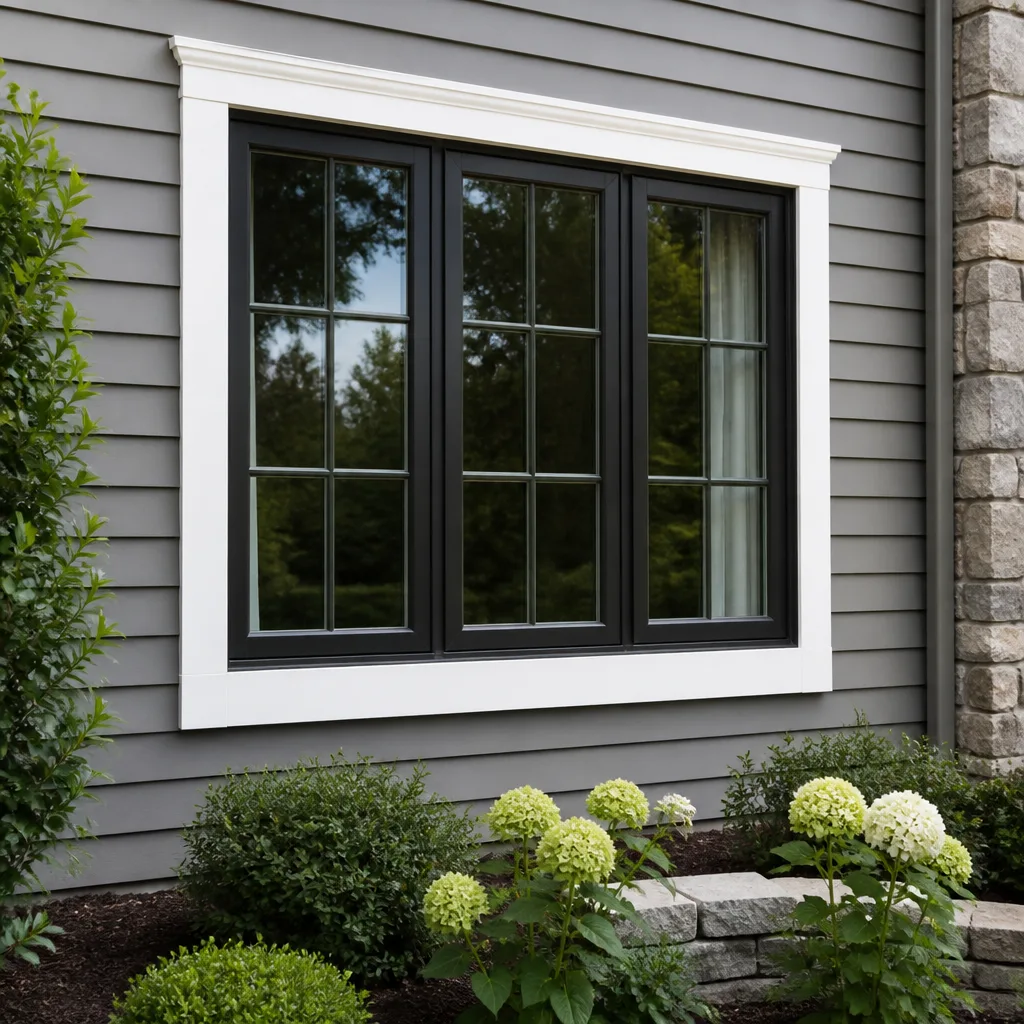
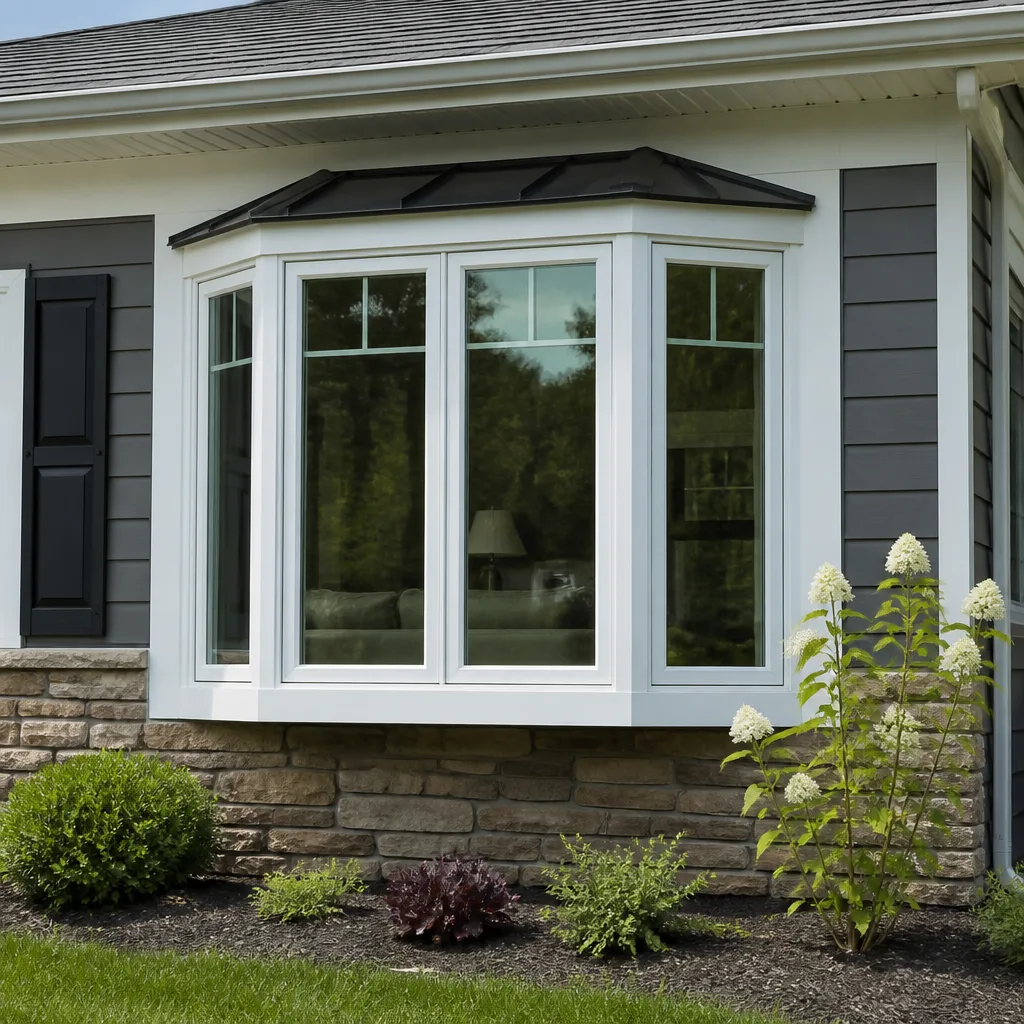
Sliding glass doors
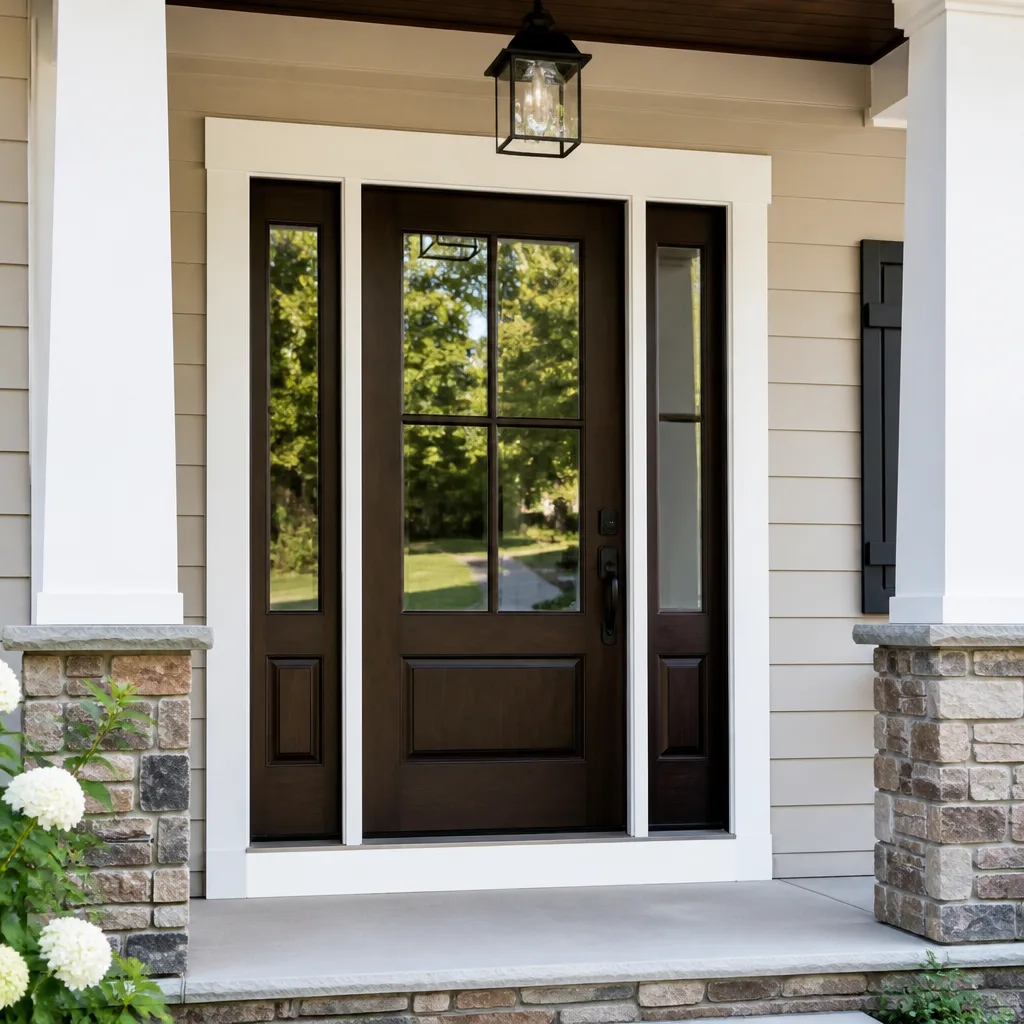
Impact garage doorsPGTCGI
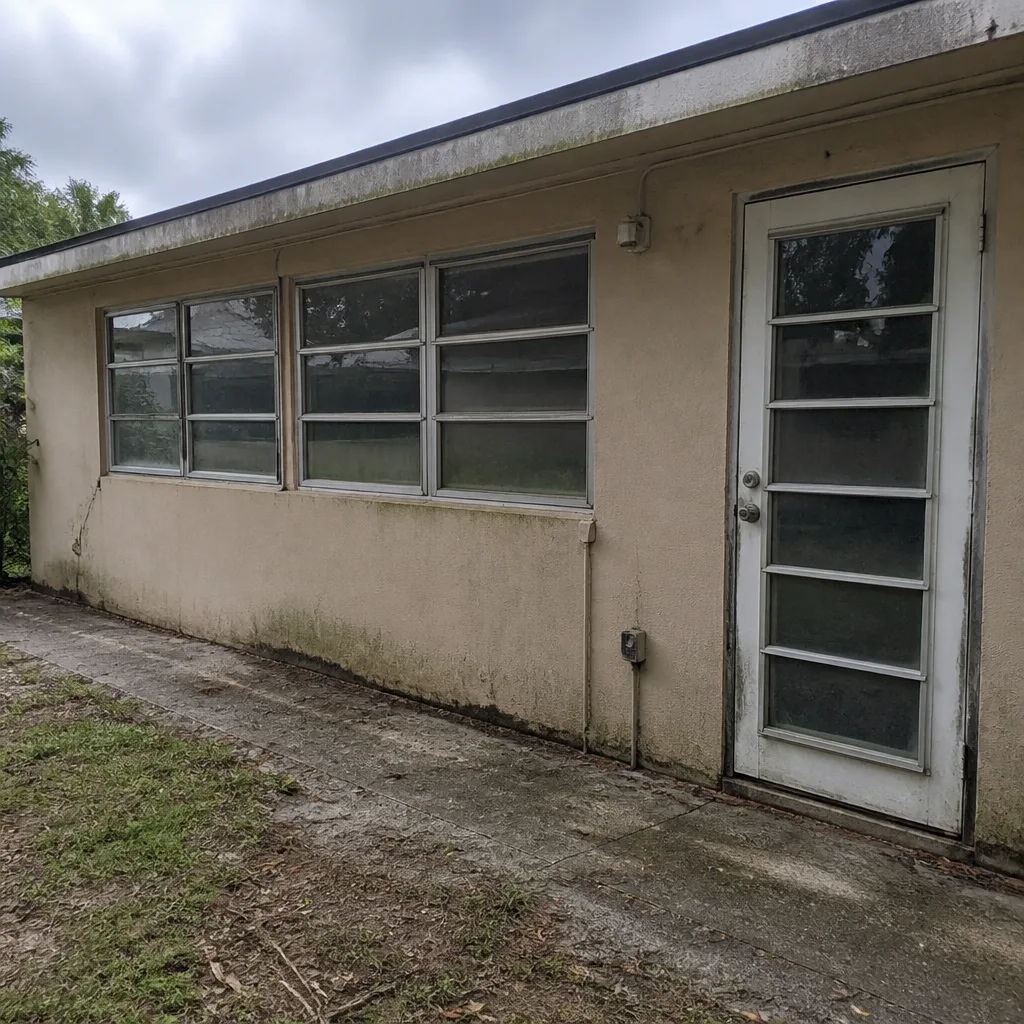 Before
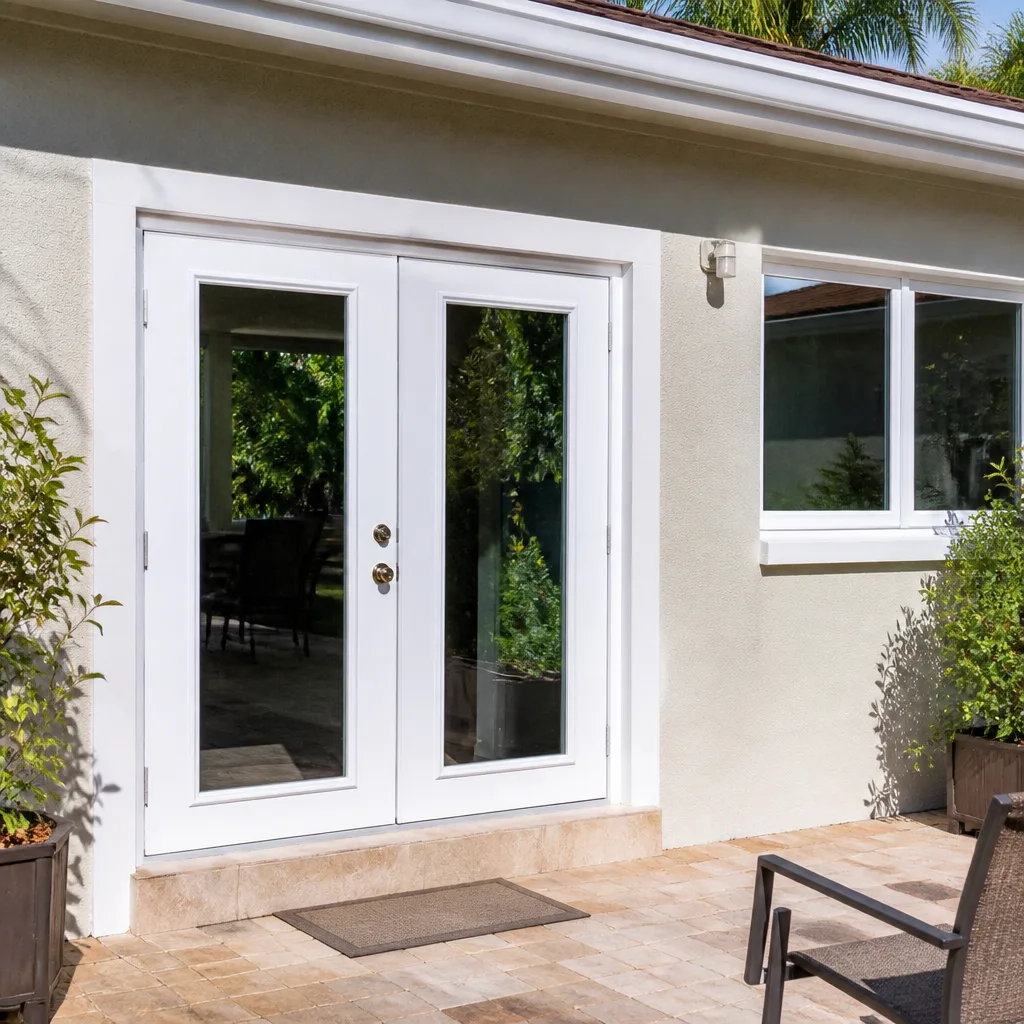 After
After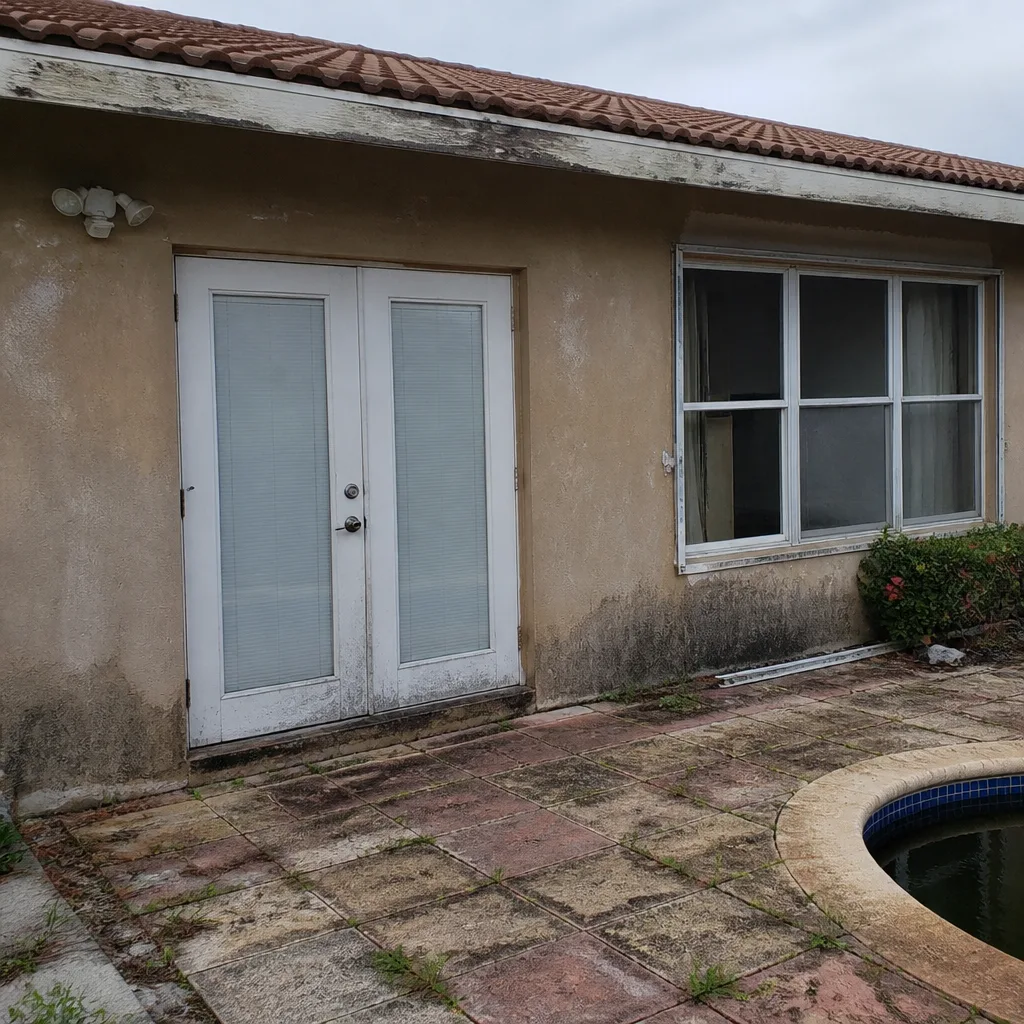 Before
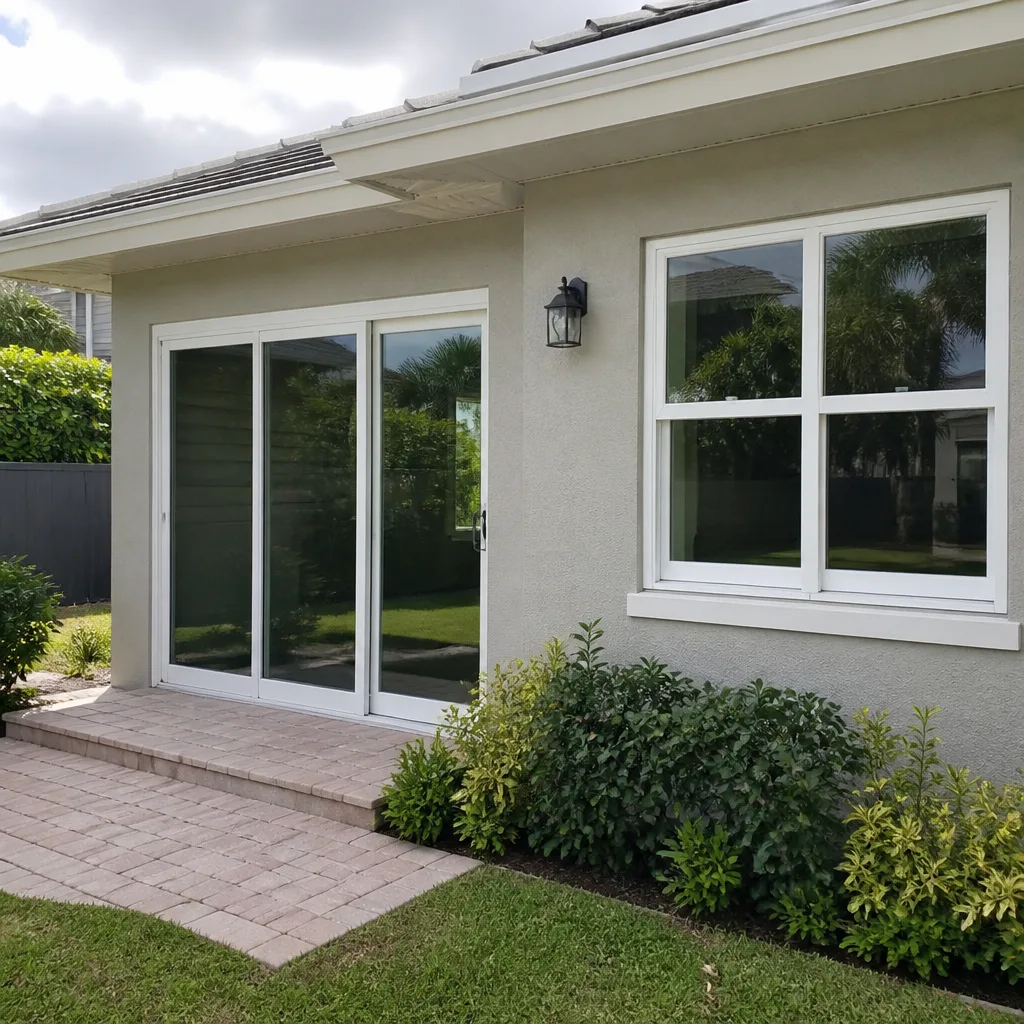 After
After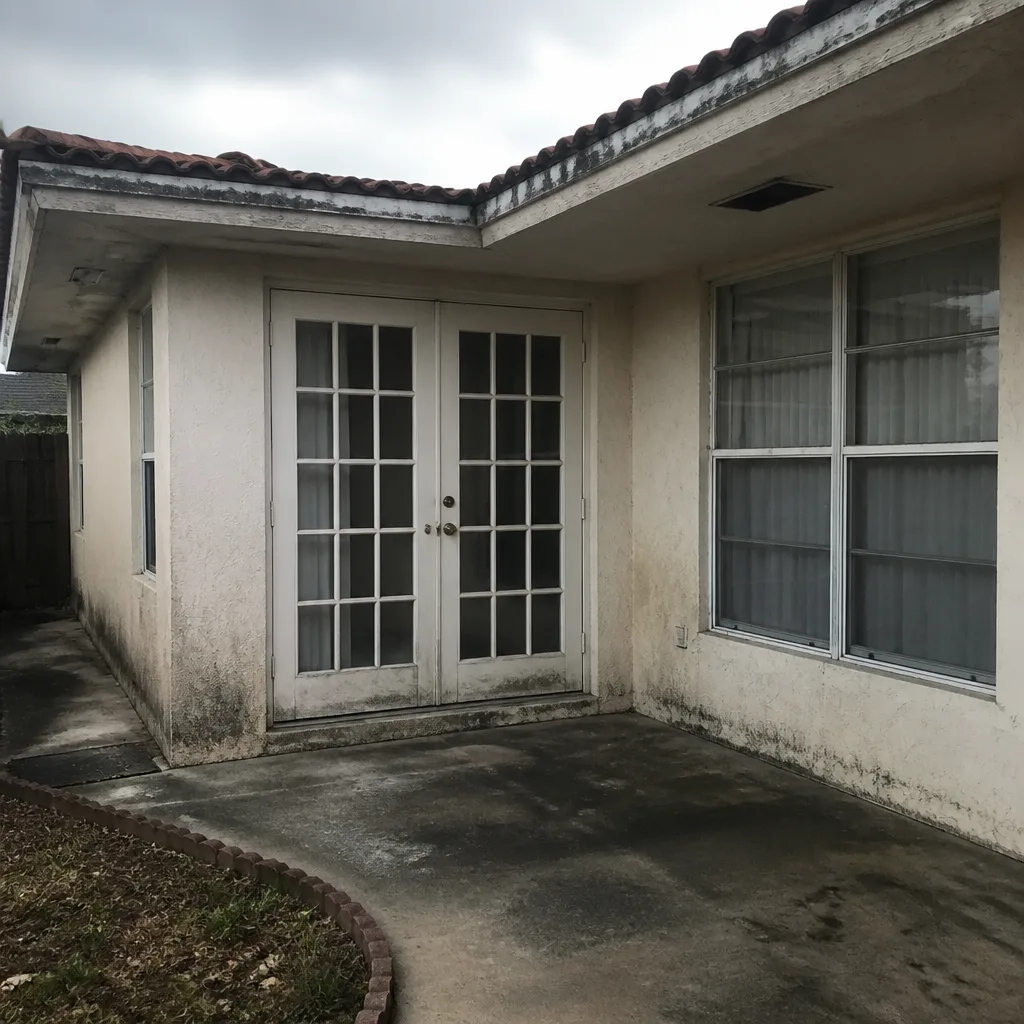 Before
 After
AfterLow-E Glass in Lauderhill: The Short Answer, Plus What Matters Here
Low-E glass, or low-emissivity glass, is window glass with an ultra-thin metallic oxide coating applied to one surface. That coating reflects infrared heat back toward its source while still letting visible light pass through. In summer, the coating keeps the sun’s heat outside; in winter, it keeps your air-conditioned or heated air inside. The coating is so thin you won’t see it with the naked eye, but it changes how the glass handles heat. For Lauderhill homeowners, especially those in Century Village and the older CBS-block neighborhoods around NW 19th Street, this single feature determines whether your energy bill climbs every month or stays level through August. Give us a call at (850) 303-7739 if you’d like to know exactly what your current windows are doing.
Key takeaways:
- Low-E is a microscopic metallic coating that reflects heat while letting light through.
- In Broward County’s HVHZ climate, Low-E glass cuts cooling demand by 15-25% in most single-family homes.
- Not all Low-E coatings are the same. Some are designed for northern winters, and those are often wrong for South Florida.
- Windows built before the mid-1990s in Lauderhill rarely have any Low-E coating at all.
What That Coating Actually Does in a Lauderhill House
Dale Kessler, Owner at TruePane Windows & Doors, has spent more than three decades setting and sealing windows across Broward County. He puts it plainly: Low-E glass is not a brand, not a tint, and not a film that gets applied after the fact. It’s a coating fused to the glass during manufacturing, and it works by manipulating infrared radiation rather than blocking it entirely. Think of it as a bouncer at the window. Heat tries to pass through the glass, the coating turns it around, and the house stays cooler without going dark.
That distinction matters in Lauderhill, where the year-round heat and humidity punish windows in ways a mild northern climate never does. The intense UV radiation here oxidizes aluminum frames until they pit. Glazing seals fail early. Weatherstripping hardens and cracks within a few seasons. Against that backdrop, a window without Low-E is doing no work at all. It admits solar heat all day, forces the air conditioner to run longer, and still lets UV fade your furniture and flooring.
We regularly see this in the 1960s and 1970s CBS homes that make up so much of Lauderhill’s residential core. Original single-pane aluminum jalousie and sliding windows from that era have no coating, no insulating gas fill, and often no functioning weatherstripping left. A homeowner who replaces those with Low-E impact windows can expect a noticeable drop in cooling demand from the first full month. In many of the older condominium units throughout Century Village, the difference is even more dramatic because the original single-pane openings are still doing battle with a Broward County summer.
How Low-E Coating Works with Wind and Impact Ratings
Lauderhill sits entirely inside Broward County’s High-Velocity Hurricane Zone, often called the HVHZ. Every window and door replacement must carry Florida/Miami-Dade product approval for impact resistance. That’s a stricter standard than almost anywhere else in the country. Low-E coating is not the same thing as impact glass, but the best windows for this area combine both.
The glass used in a Miami-Dade approved impact window is typically laminated, with a tough interlayer sandwiched between two pieces of glass. The Low-E coating is applied to one of those glass surfaces before lamination. So you don’t choose between storm protection and heat reflection. You get both in a single sealed unit, provided the window is specified correctly. We order Low-E impact glass from manufacturers like PGT and CGI because those lines are engineered with South Florida’s heat and hurricane load in mind. A window can carry an impact rating but have no Low-E coating, and some contractors sell exactly that to keep the price down. We don’t.
What to check when comparing Low-E windows in Lauderhill:
- Confirm the glass package lists both impact approval (Miami-Dade or Florida Product Approval) and a Low-E coating.
- Ask for the Solar Heat Gain Coefficient, or SHGC. In our climate, lower is better. A SHGC of 0.25 or less is a solid target for east and west-facing openings.
- Verify whether the Low-E surface is positioned for your climate. Northern climate coatings trap heat inside. That’s a costly mistake in Lauderhill’s heat.
- Ask which way the coating faces on the job site. Low-E coating orientation varies by climate, and an installer who doesn’t know which surface is which will undermine the performance.
The Real-World Difference: Numbers You Can Plan Around
Low-E glass is not free, but the cost is far less than people expect when they’re framing a whole-window replacement. Here’s a realistic range for Lauderhill’s market, based on what we quote every week:
| Home type in Lauderhill | Typical Low-E add-on per window | Typical total (impact Low-E, installed) |
|---|---|---|
| Single-family CBS ranch (1960s-70s) | $40-$85 per window | $850-$1,400 per window |
| Century Village condo unit | $30-$65 per window | $700-$1,100 per window |
| Sliding glass door (8-foot opening) | $120-$200 per door | $2,800-$4,200 per door |
| Jalousie replacement (crank-out louvered units) | N/A, jalousie frames can’t accept Low-E inserts | $600-$900 per opening replaced with a fixed or casement Low-E impact window |
The jalousie line matters more in Lauderhill than people realize. Those louvered glass slats, common in the aging housing stock along streets like NW 19th Street and the blocks around Inverrary, can’t be retrofit with any meaningful Low-E solution. The only fix is a full opening replacement. And because insurance carriers in Broward County specifically flag jalousie openings as uninsurable, the decision to replace often gets made for you at renewal time.
On the energy side, the Department of Energy’s data suggests switching from single-pane clear glass to Low-E coated glass can cut heat transfer through the glass by 30-50%. We translate that for Lauderhill homeowners as a straightforward monthly observation: the air conditioner runs fewer cycles, the room with the west-facing window stops feeling like an oven by 4 p.m., and the thermostat doesn’t fight a losing battle from noon to sunset. If the spec sheet doesn’t back it up, we don’t say it.
Why the Coating Alone Is Not the Whole Fix
There’s a phrase in glazing we hear often enough to be skeptical of: “Low-E windows.” What gets sold as a Low-E window is really a sealed insulated glass unit where the coating is one piece of a larger system. The frame matters. The spacer matters. The gas fill matters. And in a humid, salt-adjacent, UV-heavy environment like Lauderhill, the installation matters most of all.
A properly built Low-E unit will have a warm-edge spacer between the panes, argon or krypton gas fill, and a tight seal around the entire perimeter. When any one of those components is missing or compromised, the coating can’t do its job. We’ve replaced more than a few failed “energy efficient” installs from other companies where the glass had Low-E coating stamped on the label, but the frame leaked air around all four sides. The homeowner paid for performance and got a draft.
That’s why TruePane measures every opening twice, quotes manufacturer lines side by side on paper, and registers both warranty layers in writing before the truck leaves the driveway. The Done Right Promise applies to the workmanship, and The Keystone Standard means the manufacturer durations are documented, not implied. If the pane is not true, the job is not done.
Is Low-E Glass Worth It for You?
For a Lauderhill homeowner planning to stay in the house for twenty more years, the math favors the upgrade. The upfront cost of Low-E is modest compared to the full window job, and it’s the only component that pays you back every month in the form of lower FPL bills. Homeowners who plan to sell soon may care more about the Miami-Dade impact approval, which satisfies insurers and adds real resale clarity. If you’re keeping the house, the Low-E coating is the piece that keeps working decade after decade.
We’ve installed Energy-Efficient Windows in Lauderhill for homeowners who waited years, watched electric bills climb, and then couldn’t believe the difference after one summer with properly coated glass. The window doesn’t get louder or flashier. The house simply doesn’t heat up the same way. That’s the whole point. If you’re exploring options, our Energy-Efficient Windows guide walks through glass packages, gas fills, and frame materials in plain English.
If you’re still in the research phase, here’s a simple way to know whether your current windows are doing their job. Stand near the glass on a sunny afternoon and hold your hand about six inches away. If you feel radiant heat pressing against your skin, that’s infrared energy passing straight through the pane. Low-E glass would have reflected that heat before it ever entered the room. The same test works on a summer evening in the other direction: if the glass feels warm from the outside, you’re paying to cool your yard. Call us at (850) 303-7739 for a free estimate and we’ll show you exactly what’s currently between you and the Florida sun.
FAQs
Low-E glass is window glass that has a microscopic, transparent metallic coating on one surface, which reflects infrared heat while letting visible light pass through. The coating reduces how much solar heat enters your home in summer and how much conditioned air escapes through the glass in winter. In South Florida, the practical effect is a cooler house and a lower FPL bill without tinting the view.
Adding a Low-E coating to a standard replacement window in Lauderhill typically adds $40-$85 per window to the project cost, while full impact-rated Low-E windows usually run $850-$1,400 installed per opening in the single-family homes that dominate the city’s residential streets. Condo units in buildings like Century Village trend slightly lower, around $700-$1,100 per window. Call (850) 303-7739 for an exact quote.
Aftermarket window film is not the same as Low-E glass, though both reflect some infrared heat. True Low-E glass requires the coating to be fused onto the glass surface at the point of manufacturing, and a film never achieves the same reflectance or durability. In Lauderhill’s heat and hurricane zone, we recommend replacing failing single-pane units with factory Low-E impact glass rather than layering film on old glass.
Yes, because Lauderhill’s position inside Broward County’s High-Velocity Hurricane Zone means every window and door replacement must carry Miami-Dade or Florida Product Approval for impact resistance, and the local climate makes Low-E coating highly advisable for year-round comfort and energy savings. The best solution is an impact window that includes Low-E coating within the laminated glass package, so one installed unit handles both requirements.
Low-E coating has a slightly different reflectance than clear glass, but in most modern glass packages the change is minimal and hardly noticeable from inside. The point of Low-E is to reflect heat, not to block light, and visible light transmittance remains high on quality coatings from manufacturers like PGT and CGI. If you’re near a golf course or lake and care about the view, we can quote a Low-E package tuned for higher light transmittance.
Written by Dale Kessler, Owner at TruePane Windows & Doors, serving Lauderhill, FL. Dale grew up off Oakland Park Boulevard in Lauderhill, studied construction trades at Broward College in the early 1990s, and has spent three decades measuring, setting, and sealing windows across Broward County. If we say it, the spec sheet backs it up.
Six Reasons Homeowners Choose TruePane Windows & Doors
Impact systems engineered to design pressures up to +/-100, matched to your wind zone - your openings hold when the storm arrives.
Low-E insulated impact glass from our manufacturer lines commonly cuts monthly cooling bills 20-30%.
Laminated impact glass shuts out up to 40% of outside noise - traffic, neighbors, weather.
Monitoring services run $30-90 a month. Laminated impact glass resists forced entry around the clock, with no subscription.
Florida homeowners average around 25% savings on the windstorm portion of their policy after protecting every opening - some homes qualify for more.
A full impact package upgrades curb appeal, buyer confidence and appraised value in one project.