
Free in-home measure and quote - PGT, CGI and CWS impact lines compared on your actual openings, style by style
Sliding glass doors
Impact garage doorsPGTCGI
 Before
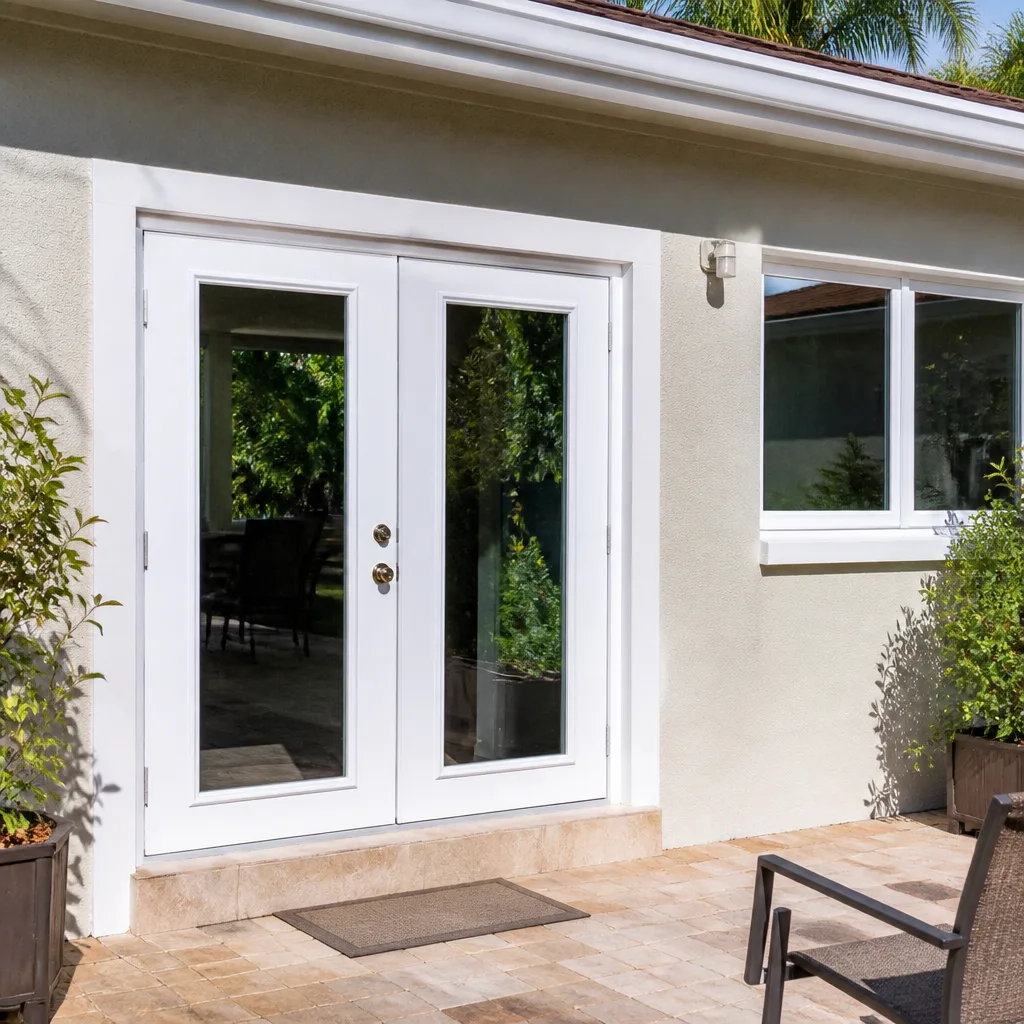 After
After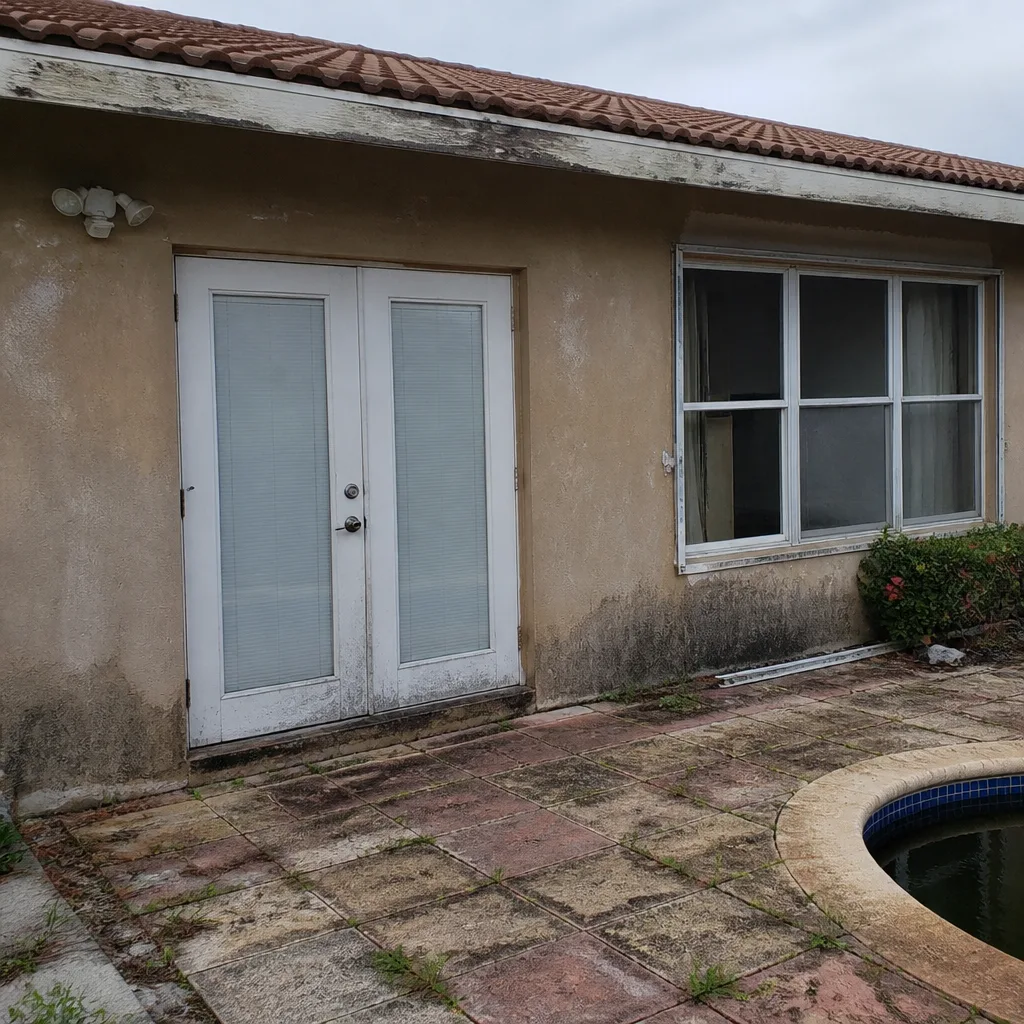 Before
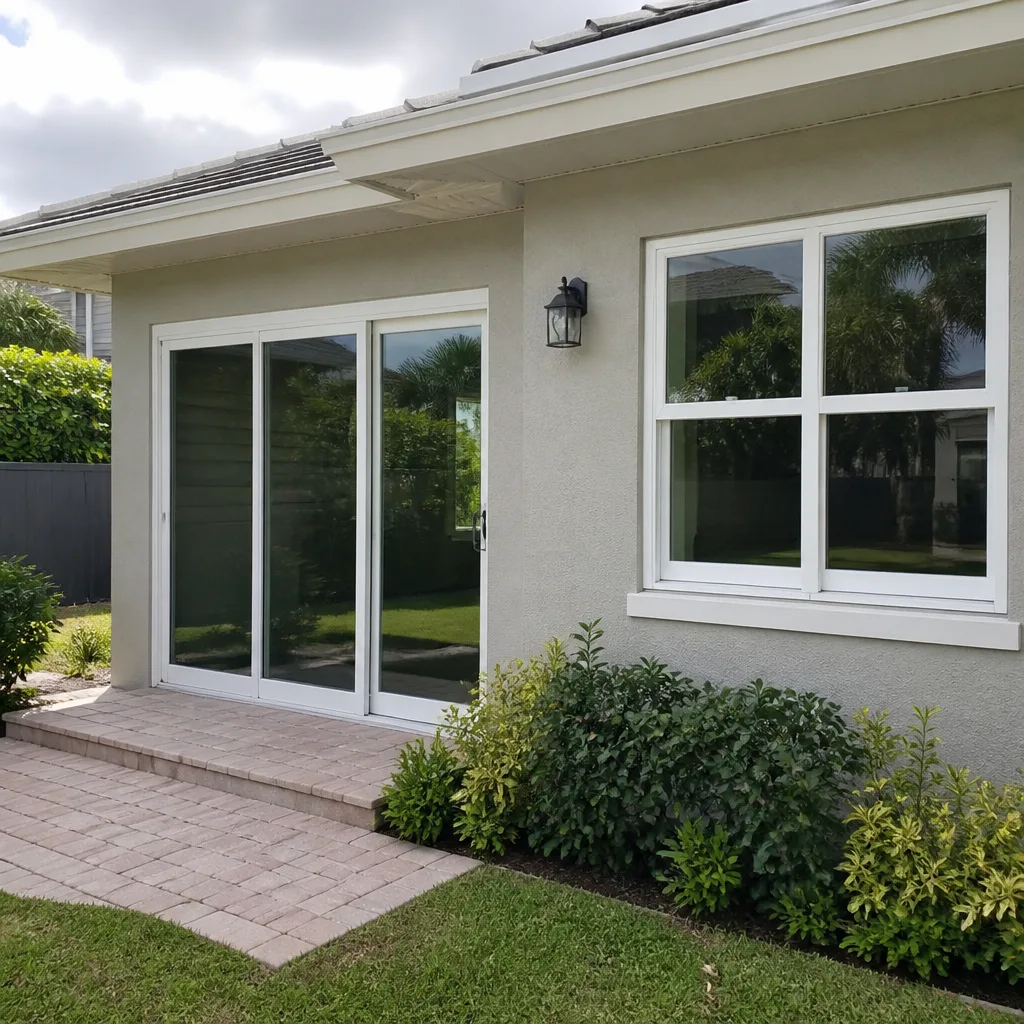 After
After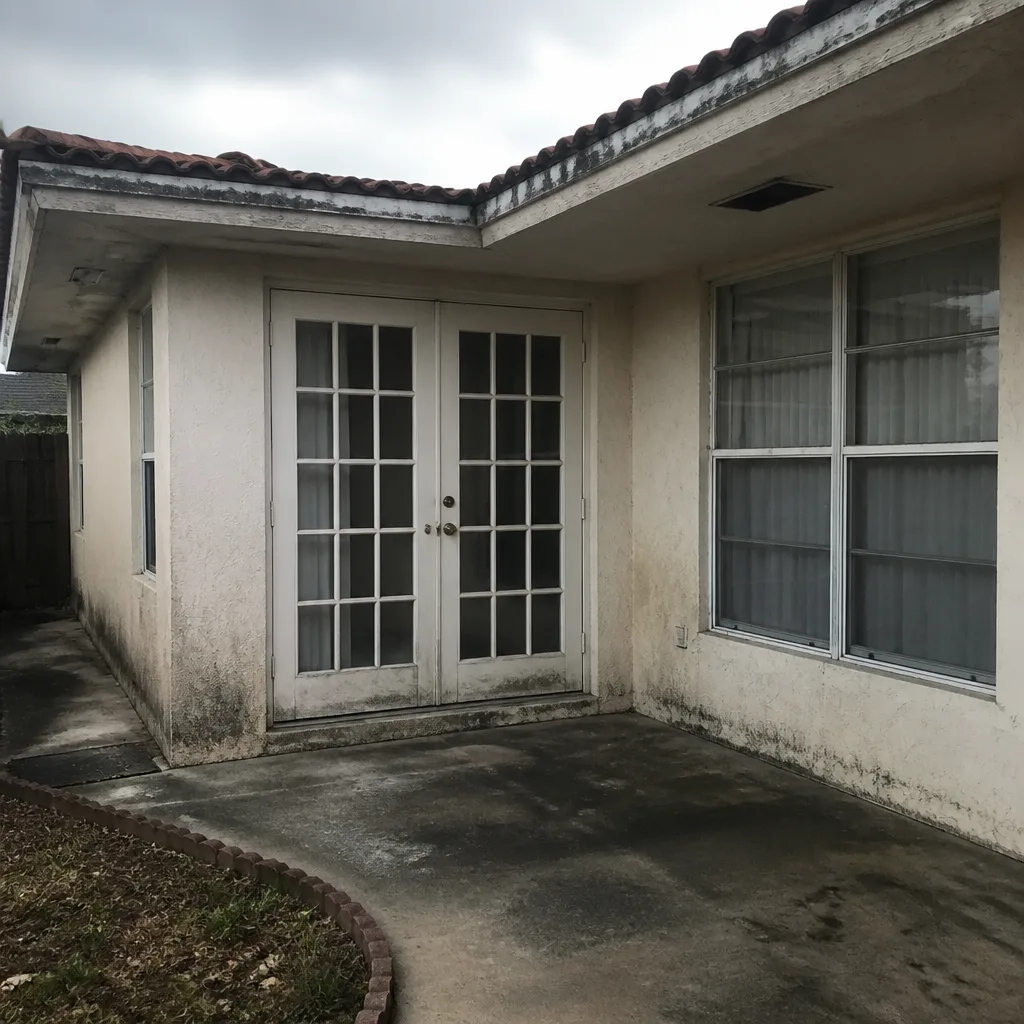 Before
 After
AfterYes, New Windows Save Energy - Here’s What That Means in Lauderhill, FL
Yes, new energy-efficient windows save energy, and in Lauderhill the savings are bigger than most places because you’re fighting three things at once: year-round heat, punishing humidity, and Broward County’s High-Velocity Hurricane Zone code. A typical 1960s-1970s single-pane aluminum window loses somewhere between 30% and 40% of your home’s heating and cooling energy, and when we pull those original frames out of a Lauderhill CBS home, we see exactly where the money went. Call us at (850) 303-7739 and we’ll show you the math for your house.
How Much Energy Do Old Windows Actually Waste in Lauderhill?
The short answer is more than you’d think, and faster. Lauderhill’s inland position doesn’t soften the load - it sharpens it. Your air conditioner runs 9-10 months a year, and on an August afternoon the west-facing wall of a ranch home off NW 19th Street absorbs heat like a brick oven. Single-pane aluminum frames conduct that heat directly inside. The aluminum itself is the problem: it’s a thermal bridge, which means the frame carries outdoor heat straight through the wall opening and into your living room, bypassing the glass entirely.
What we typically measure on a 55-year-old jalousie or single-pane slider in Lauderhill is a U-Factor north of 1.0. A current ENERGY STAR window for South Florida runs 0.30 or lower. That is not an incremental difference - it’s a threefold improvement in resistance to heat transfer. Put differently, your old window is doing roughly a third of the job a new one does, and your air conditioner is paying for the gap every single month.
What Actually Determines Whether You’ll Save on Energy Bills
Not every “new window” saves the same amount. Three specifics decide it, and if the spec sheet doesn’t back it up, we don’t say it.
- Frame material. Vinyl and thermally-broken aluminum both beat old non-thermally-broken aluminum, but they’re not equal. In Lauderhill’s humidity, we lean toward vinyl or composite for single-family homes because it won’t oxidize and pit the way raw aluminum does after a few wet seasons.
- Glass package. Double-pane insulated glass with a low-E coating is the baseline here. The low-E reflects infrared heat back outside, which matters more than the second pane itself for our climate. We quote side by side on paper, so you see exactly which manufacturer’s package you’re buying - no vague “energy-efficient glass” language where the performance numbers should be.
- Installation quality. A well-manufactured window set out of square leaks air, and air leakage erases energy savings fast. We measure every opening twice, and the founding rule on Dale Kessler’s whiteboard covers it: if the pane is not true, the job is not done.
What About the Hurricane Zone? Energy Savings and Impact Windows Are Connected Here
In Lauderhill, the conversation about energy savings always collides with the High-Velocity Hurricane Zone requirement. Every replacement window in the city must carry Florida/Miami-Dade product approval for impact resistance. That sounds unrelated to your electric bill, but it’s not. Impact-rated windows are built around laminated glass and reinforced frames - construction that happens to perform better thermally than the single-pane aluminum they replace. Many of the impact lines we install, including CGI and PGT, carry low-E coatings and insulated glass as standard features, not upgrades. You’re not choosing between a storm-code window and an energy-saving window. In Lauderhill, the code requires a window that does both, and that’s a rare case where regulation works in your favor.
Dale Kessler grew up off Oakland Park Boulevard in Lauderhill, where his father spent weekends caulking and reglazing windows for neighbors who couldn’t afford to call anyone. That early work was mostly about keeping rain out. The technical side - the U-Factors, the SHGC numbers, the HVHZ product approval schedules - came later, sharpened through Broward College’s construction trades program and three decades of setting and sealing windows across Broward County. What he learned that you won’t find on a product brochure is this: a window’s rated performance and its real performance are two different things, and the difference is the install.
What Do Replacement Windows Cost in Lauderhill, and What Do You Get Back?
This is the question people ask after they’ve already decided new windows make sense, so let’s answer it plainly. A full energy-efficient replacement window in Lauderhill - vinyl or thermally-broken aluminum frame, double-pane low-E glass, impact-rated to HVHZ code - typically runs $700 to $1,400 per opening installed, depending on size and manufacturer line. A standard 3-foot by 5-foot single-hung in a CBS ranch home usually falls in the $800 to $1,100 range. Sliding glass doors cost more. The table below shows what moves the number.
| Cost Factor | Typical Lauderhill Range (Installed) |
|---|---|
| Standard single-hung, impact low-E | $700 - $1,100 per opening |
| Larger picture or casement window | $900 - $1,400 per opening |
| Sliding patio door, impact-rated | $2,800 - $4,500 |
| Opening size / structural work on CBS frame | Adds $150 - $400 per opening when concrete lintel work is required |
Energy savings alone rarely pay for the full replacement in a year or two - anyone who promises that is counting on you not doing the math. What’s realistic in Lauderhill is a 15-25% reduction in cooling costs once the old single-pane units are gone, and that’s before you count the insurance picture. Broward insurers are actively surcharging and non-renewing policies on homes without impact-rated openings, so the window investment often carries two paybacks: the electric bill and the insurance renewal. We quote manufacturer lines side by side on paper, register both warranty layers in writing before the truck leaves your driveway, and back the whole job with a Done Right Promise. No paperwork fights, no arguing.
The Lauderhill Housing Stock Complicates the “Simple Swap”
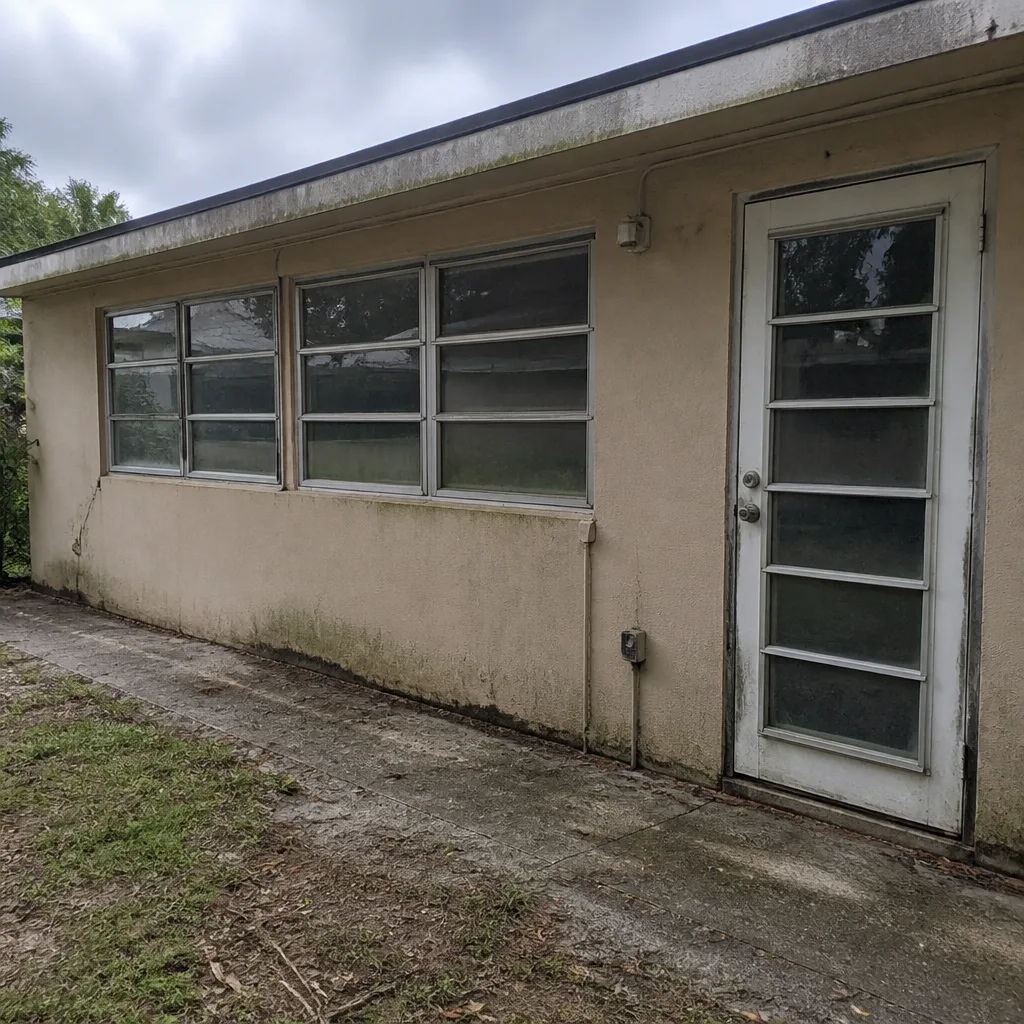
Lauderhill’s core residential fabric was built in the 1960s and 1970s - CBS block, ranch lines, and thousands of units in Century Village with original aluminum sliders and jalousies still in place. Those original frames were set directly into concrete openings, often with no wood buck, no flashing, and no sealant that’s survived fifty years of UV. What that means for an energy retrofit is straightforward: the window itself is only half the job. The opening has to be made right first.
We regularly open up these walls and find the same conditions: aluminum frames pitted from humidity, sealant turned brittle and chalky, and gaps between the frame and the block that were never properly sealed in the first place. A new window installed into that opening without correction will underperform its label from day one. This is why we measure every opening twice and why our crew treats the rough opening like part of the window. It is also why some Lauderhill installations cost toward the higher end of the range - the concrete work is real.
For a deeper look at how we approach these installations, see our Window Installation process, or our broader Window Installation in Lauderhill page.
Frequently Asked Questions
Yes, new energy-efficient windows in Lauderhill typically reduce cooling costs by 15-25% when they replace original single-pane aluminum units, because the old frames and glass lose 30-40% of the cooling load. The actual number depends on your home’s exposure, insulation, and how well the new windows are set. Call (850) 303-7739 and we’ll walk your house with a thermal reading to show you where the loss is worst.
In Lauderhill, the frame usually matters more than the glass, because old aluminum frames conduct heat straight through the wall. Replacing single-pane glass in the same old aluminum frame still leaves a thermal bridge, and most of those frames can’t hold a proper double-pane insulated glass unit anyway. That’s why we recommend full replacements, not reglazing, for energy savings.
Energy-efficient impact windows in Lauderhill generally run $700 to $1,400 per opening installed for standard sizes, and the final number depends on frame material, manufacturer, opening condition, and whether the surrounding concrete needs work. We quote manufacturer lines side by side on paper, so you can compare the actual spec sheets - call (850) 303-7739 for a free estimate.
Yes, a partial replacement on the west and south sides of your house can deliver meaningful savings, but you’ll want to prioritize the openings that carry direct afternoon sun. If you’re holding off on some windows because of cost, ask about the 5% discount for seniors and veterans - we keep that permanent, and it applies to any job. Call (850) 303-7739 and we’ll help you sequence the work so the highest-loss openings go first.
If you’d rather have someone put eyes on your windows and tell you what’s actually losing energy, TruePane Windows & Doors offers a no-pressure assessment in Lauderhill. Call (850) 303-7739 and a live person answers - 24 hours a day, 7 days a week - and we’ll give you a straight answer whether you’re replacing tomorrow or three years from now.
Written by Dale Kessler, Owner, TruePane Windows & Doors at TruePane Windows & Doors, serving Lauderhill, FL.
Six Reasons Homeowners Choose TruePane Windows & Doors
Impact systems engineered to design pressures up to +/-100, matched to your wind zone - your openings hold when the storm arrives.
Low-E insulated impact glass from our manufacturer lines commonly cuts monthly cooling bills 20-30%.
Laminated impact glass shuts out up to 40% of outside noise - traffic, neighbors, weather.
Monitoring services run $30-90 a month. Laminated impact glass resists forced entry around the clock, with no subscription.
Florida homeowners average around 25% savings on the windstorm portion of their policy after protecting every opening - some homes qualify for more.
A full impact package upgrades curb appeal, buyer confidence and appraised value in one project.