
Last updated August 27, 2026
Free in-home measure and quote - PGT, CGI and CWS impact lines compared on your actual openings, style by style
Sliding glass doors
Impact garage doorsPGTCGI
 Before
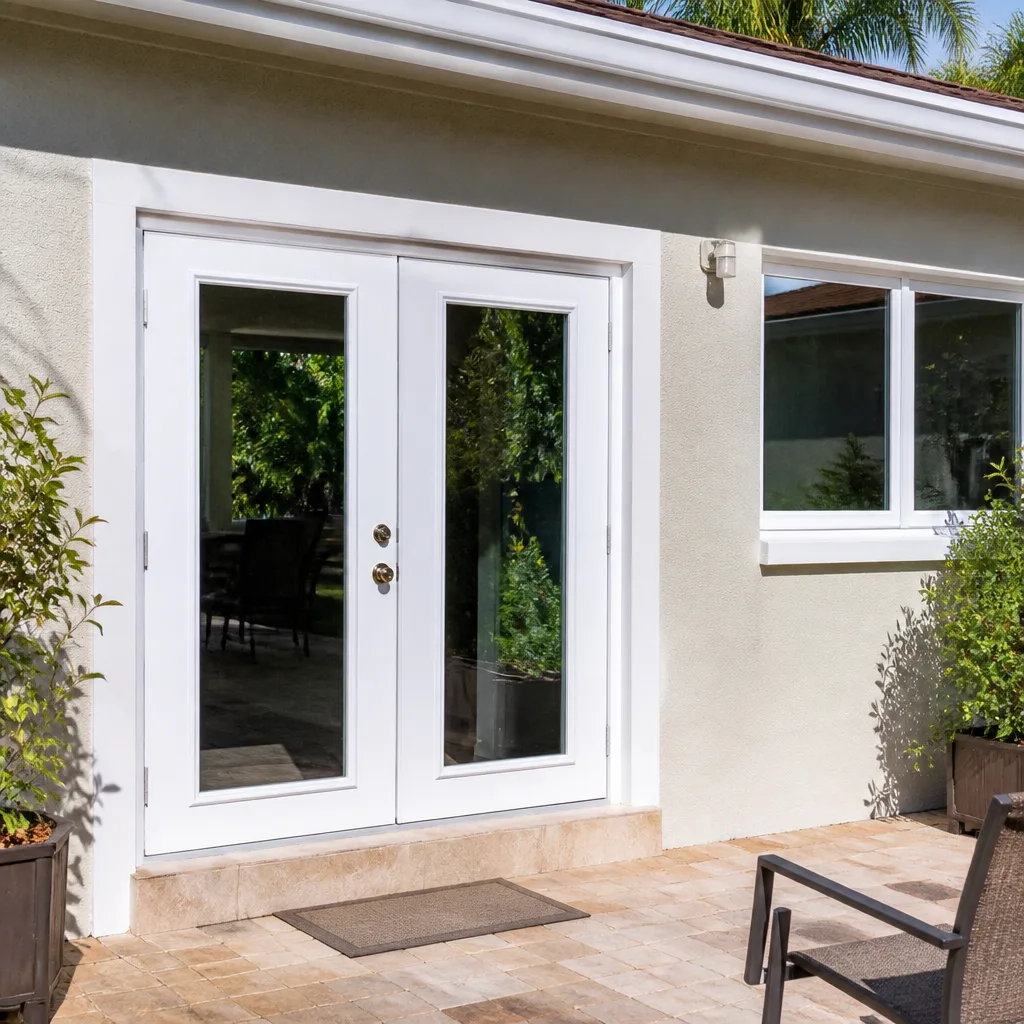 After
After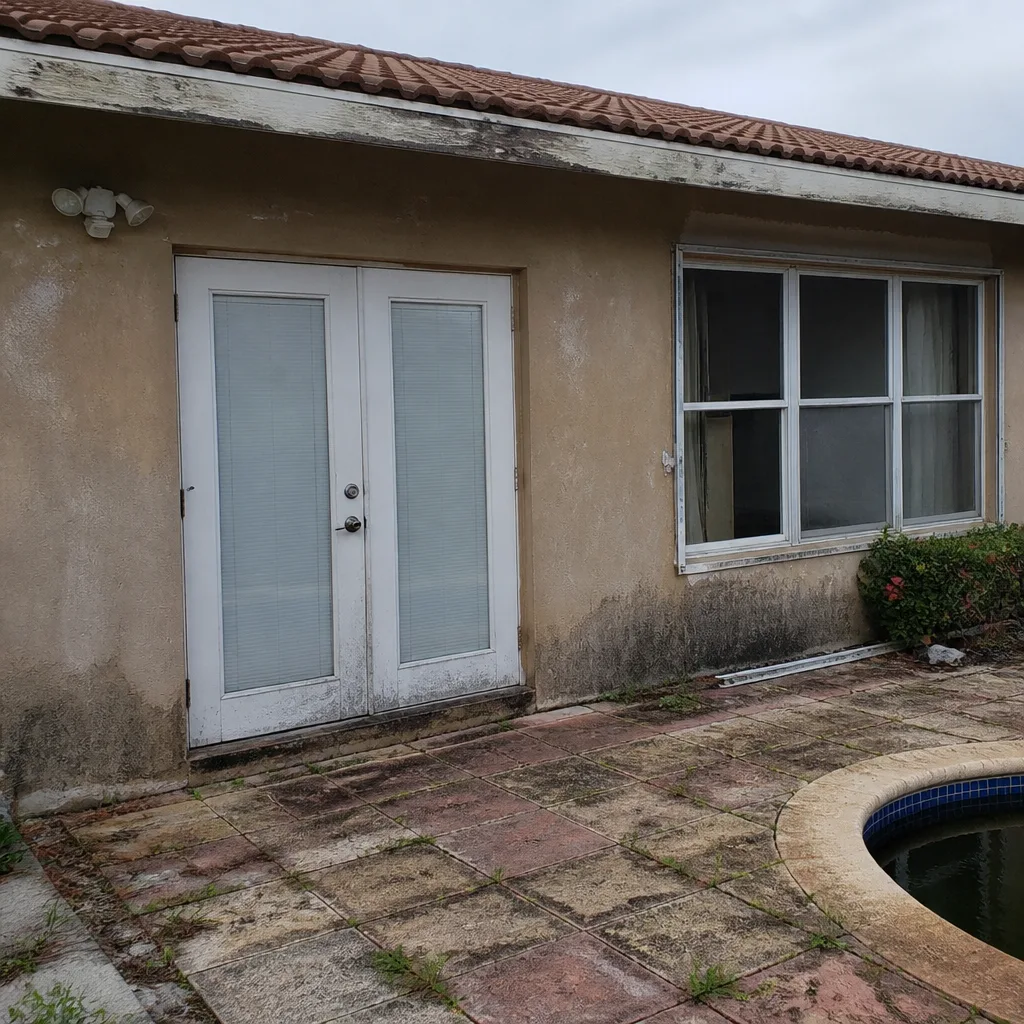 Before
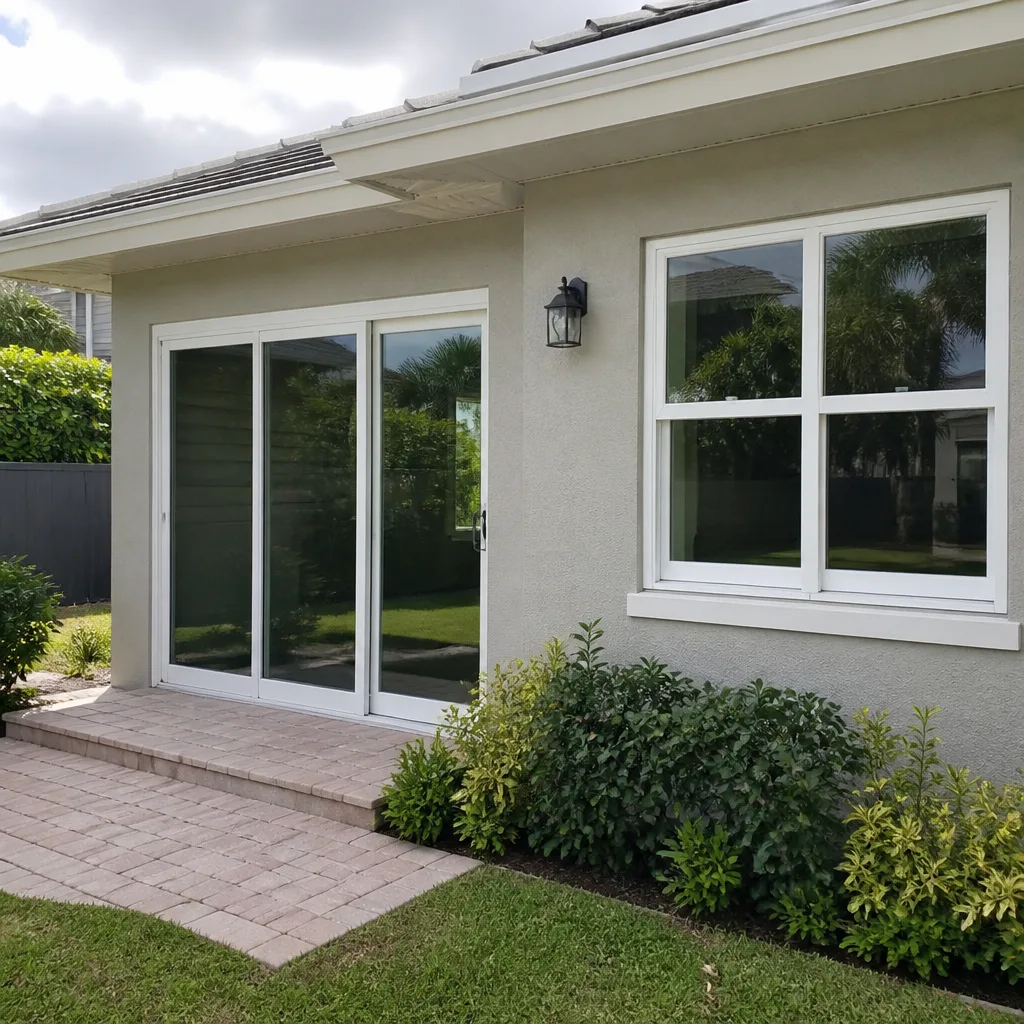 After
After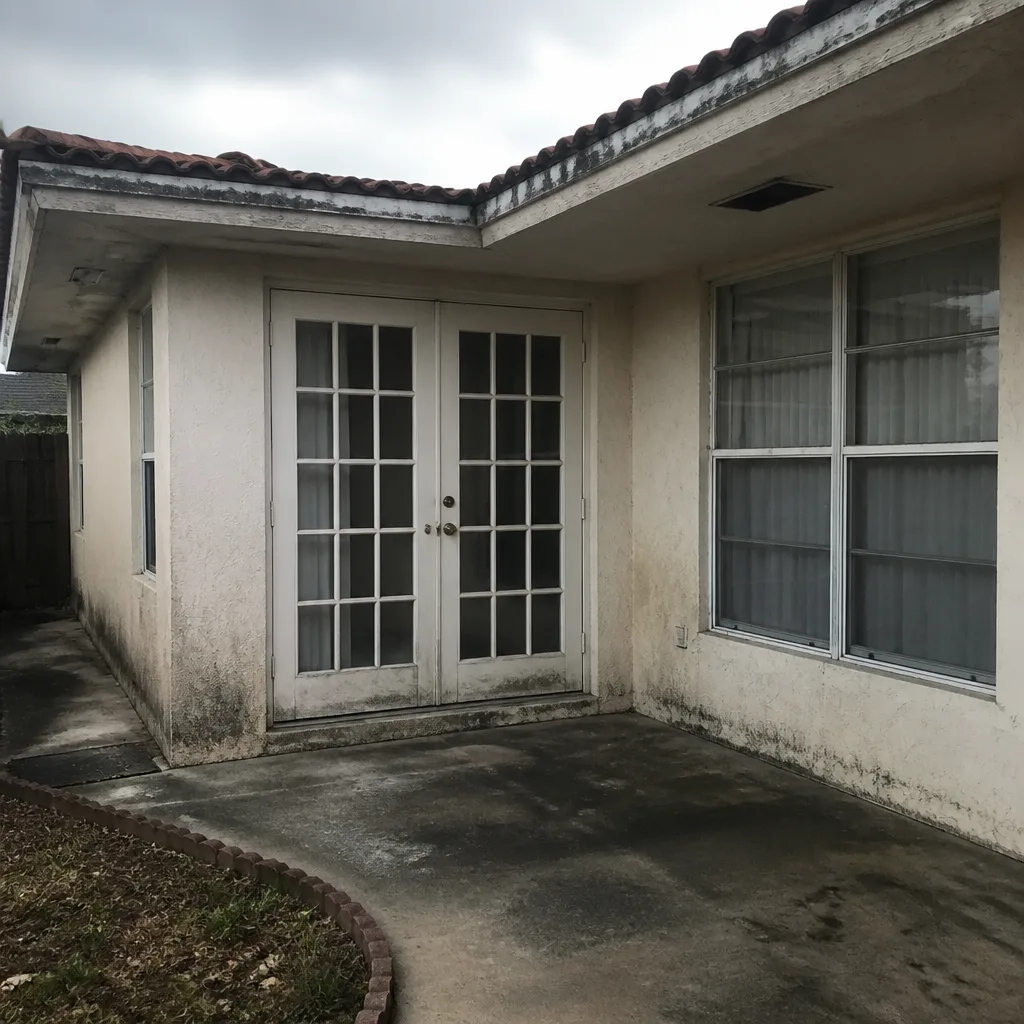 Before
 After
AfterWindows & Doors Warning Signs: A Lauderhill Homeowner’s Reference Guide
Most Lauderhill homeowners do not realize their windows and doors are failing until the damage is already done. A window that fogs between the panes has been losing its insulating gas for years. A door that sticks in August was probably out of square the day it was installed. By the time you notice the draft or the water stain, you are paying for the repair and the damage the failure caused. This guide tells you what to look for, what each warning sign actually means, and when it is time to stop patching and replace. We wrote it for the homeowner who plans to stay in Lauderhill for another twenty years and wants the work done right the first time.
Quick Answer
Windows and doors in Lauderhill typically fail in predictable ways: fogged glass, drafts, sticking or binding operation, condensation between panes, soft frames, and water staining around the opening. Any one of these is a warning sign that the unit has lost its seal, shifted out of square, or begun to rot from the inside. If you see two or more of these signs on the same window or door, replacement is usually cheaper than repeated repair.
Table of Contents
- Fogged Glass and Failed Seals
- Drafts and Air Leaks
- Sticking Doors and Windows That Will Not Budge
- Condensation: When It Is Normal and When It Is Not
- Soft Frames, Rot, and Termite Damage
- Water Staining Around the Opening
- Rising Energy Bills Without a Habit Change
- Impact Window and Door Warning Signs Specific to South Florida
Fogged Glass and Failed Seals
Fog between the panes of a double-pane window is the most common warning sign we see in Lauderhill, and the most misunderstood. That fog is not a cleaning problem. It means the seal that holds the insulating gas between the two panes has failed. Once the gas leaks out, the window loses most of its insulating value, and moisture gets pulled into the space between the glass. You cannot wipe it away because it is on the inside of the unit.
A failed seal does not always show up as fog. Sometimes you will see a milky haze, water droplets, or what looks like a permanent smudge that never moves. In the mornings, after a humid Lauderhill night, fogged units are easiest to spot because the temperature difference between inside and outside is greatest.
Here is what you need to know about failed seals:
- The glass replacement is the fix, not the frame. In many cases, only the insulated glass unit (the IGU) needs replacing, not the whole window. This is usually $200 to $450 per window in Lauderhill, depending on size and glass type.
- A failed seal never heals. Once moisture gets in, it stays. The window will not dry out and return to normal.
- Energy loss compounds. A fogged window is an uninsulated window. In a Lauderhill summer, that means your air conditioner works harder every single day.
- Some manufacturers cover the glass longer than the frame. Glass warranties can run 20 years or more. If your window is under warranty, register the replacement through the installing company or the manufacturer. We register both warranty layers in writing for every job we install, because a warranty that is not registered is a warranty that does not exist.
If you have one fogged window in a house full of the same brand, the rest are likely on the same timeline. It is often more cost-effective to replace multiple IGUs in one visit than to do them one at a time as they fail.
Drafts and Air Leaks
You do not need a blower door test to feel a draft. Hold your hand along the edge of a closed window or door on a windy day. If you feel air moving, the weatherstripping has compressed, the frame has shifted, or the unit was never seated properly in the first place.
In South Florida, drafts are easy to ignore because we do not get cold winters. But a draft works both ways. Air leaking out of your house in the summer is conditioned air you paid to cool. It draws humid outside air in through the same gaps, which makes the whole house feel sticky and forces the AC to run longer.
Common sources of drafts in Lauderhill homes:
- Worn or flattened weatherstripping on sliding doors and casement windows, especially after years of sun exposure and salt air.
- Gaps between the frame and the rough opening, hidden behind trim. This happens when a window is installed without proper shimming or insulation.
- Out-of-square frames from foundation settlement. Lauderhill’s flat terrain and high water table mean slab movement happens slowly, but it happens.
- Damaged or missing glazing putty on older single-pane windows.
A quick test: close a dollar bill in the window or door and try to pull it out. If the bill slides out easily, the seal is too loose. A properly sealed unit should grip the bill firmly.
Sticking Doors and Windows That Will Not Budge
A door that sticks in July but closes fine in January is not being temperamental. It is telling you the frame is moving with humidity and temperature, and the door slab was cut too tight to the jamb. This is one of the most common problems in Lauderhill, where seasonal humidity swings are significant even if the temperature does not change much.
Windows that are hard to open or close fall into the same category. Here is what the resistance usually means:
- Humidity-driven expansion. Wood and fiberglass frames absorb moisture and swell. If the installer did not leave proper clearance, the sash binds.
- Settlement. As the slab under the home shifts, the frame goes out of square. A window that once opened smoothly now rubs against one side.
- Worn or broken hardware. Balancers, springs, and rollers wear out. A heavy window that slams shut is a hand or finger injury waiting to happen.
- Paint buildup. Multiple repaints on wood windows add thickness to the sash and make operation stiff.
The danger signal is when a door or window goes from sticky to stuck. A door that will not open from the inside is a safety issue in an emergency. In a coastal state like Florida, that is not an abstract concern. Hurricane evacuation routes do not wait for you to force a swollen door.
Condensation: When It Is Normal and When It Is Not
Condensation on the room side of a window is usually a ventilation issue, not a window problem. Lauderhill’s humidity is high, and if your AC is oversized or you keep the house sealed up tight, moisture collects on cool glass surfaces. That is normal in a humid climate and generally means you should run a dehumidifier or adjust your AC settings.
Condensation between the panes is a different story. That is the failed seal we covered earlier, and it will not go away on its own.
Condensation on the frame itself, especially along the bottom corners, is the thing to watch carefully. It means moisture is penetrating the frame or collecting where the frame meets the wall. Over time, that moisture feeds rot and mold. In Lauderhill’s climate, a constantly damp frame will start to fail within a few years.
Here is the simple rule:
- On the glass, room side: Usually ventilation. Wipe it, check humidity, keep an eye on it.
- Between the panes: Failed seal. The glass unit needs replacing.
- On the frame or sill: Investigate. This is the beginning of rot or water intrusion.
If you see condensation on the frame every morning for a week, do not wait. Call a professional to inspect before the damage spreads into the wall cavity.
Soft Frames, Rot, and Termite Damage
Press a screwdriver gently into a window sill or door frame. If the wood gives, you have rot or termite damage. There is no recovering from that. The damaged section must be cut out and replaced, and if the damage extends behind the trim, the opening itself needs to be opened up and rebuilt.
In Lauderhill, we deal with two main culprits:
- Moisture intrusion. Water gets in around the frame because of poor flashing or failed caulk, soaks into the wood, and rot follows. This is a progressive problem. By the time the wood is soft on the surface, the damage inside is worse.
- Subterranean and drywood termites. Florida has both, and both eat window and door frames. Termite damage often looks like rot and is sometimes found at the same time as rot, because termites prefer moist wood.
The fix is not a caulk job. It is removing the damaged material, treating the area, and installing new framing. Then the window or door must be re-set properly, with flashing and sealing done in a way that prevents recurrence.
We have replaced sills in Lauderhill homes where the visible damage was the size of a quarter, but the hidden rot extended a foot in either direction. The homeowner thought it was a small repair. It was not. That is why we measure every opening twice and inspect the framing before we quote a replacement.
Water Staining Around the Opening
Water stains on drywall or trim around a window or door are a direct sign that water is getting in where it should not. The stain might be faint, seasonal, or only visible after heavy rain. None of that makes it less serious.
Water traveling into the wall cavity does damage even when you cannot see it. It rots framing members, feeds mold, and attracts termites. In a humid climate like Lauderhill’s, the cavity does not dry out quickly after each rain. It stays damp, and the problem compounds.
The most common entry points:
- Failed or missing flashing above the window or door. Flashing directs water out and away. Without it, water runs down behind the siding and into the opening.
- Cracked or separated caulk around the exterior trim. Caulk fails over time, especially in Florida sun.
- Improperly installed sill pans. A sill pan catches water that gets past the sash and directs it out. Older homes often have none.
- Roof leaks that travel down the wall and show up at the window or door, far from the actual source.
If you see a water stain, the first step is to find the source. That often means cutting a small inspection hole to see the condition of the framing behind the drywall. It is not a fun discovery, but it is cheaper than letting the rot spread through the wall.
Rising Energy Bills Without a Habit Change
One of the quietest warning signs is the one nobody sees: your FPL bill goes up and your habits have not changed. You run the AC at the same temperature, you have the same appliances, but the bill is ten or fifteen percent higher than it was two summers ago.
Your windows and doors are big contributors to that. As seals fail, glass units lose their insulating gas, weatherstripping compresses, and frames shift, your envelope leaks. In Lauderhill’s climate, where the AC runs hard for eight months of the year, a house full of underperforming windows can account for a meaningful share of the cooling load.
Here is a practical way to think about it:
- Find your bills. Compare the last two summers to the same months three or four years ago, adjusted for any rate changes.
- Check the obvious first. HVAC filter, ducts, water heater, all the things that are not windows.
- Do the hand test. Walk the perimeter of the house and feel for drafts at every window and door.
- Look for fog and staining. Use the checks from the sections above.
In our experience, a home with original 1980s or 1990s windows in Lauderhill is losing a chunk of its AC output through the glass and seals. New energy-efficient windows will not cut your bill in half, but they will make a real difference, and they will make the house more comfortable in the process.
Impact Window and Door Warning Signs Specific to South Florida
Impact windows and doors are engineered to survive hurricane-force debris and wind pressure, but they do wear out. In Lauderhill, where we sit squarely in the South Florida wind-borne debris region, a compromised impact window is a safety issue, not just an efficiency issue.
Warning signs specific to impact units:
- Cracked or chipped laminate. The inner laminate layer is what holds the glass together when it shatters. If you can see chips or cracks in that layer from the edge, the unit may not perform as rated.
- Rust around the frame or hardware. Impact windows rely on heavy-duty frames and fasteners. Corrosion weakens the whole assembly. Coastal-adjacent homes in Lauderhill see this more than you would expect, especially on east-facing openings.
- Fog between the panes. Same failed seal issue as any double-pane window, but on an impact unit it means the glass needs replacing with certified impact-rated glass, which costs more than standard IGU replacement.
- Gaskets that have shrunk or pulled away. Impact doors and windows depend on gaskets to maintain pressure resistance. A broken gasket is a failure point.
- Out-of-square frames. Impact units are heavy. If the opening has settled, the frame may bind, and the locking points may not engage fully. A door that does not lock at all points is not doing its job.
Manufacturers like PGT, CGI, and ES Windows build impact products designed for the South Florida market, and we install all of them. If your impact windows are more than a decade old and have been through a few hurricane seasons, get an inspection before the next one comes.
Common Mistakes to Avoid
- Replacing the glass but not the seal. If the IGU is replaced but the frame was not properly inspected or the seal re-done, you will be back in the same spot in two years. The opening is a system, not a collection of parts.
- Painting over a water stain. The stain comes back because the source is still there. Paint hides the symptom; it does not stop the water.
- Force-opening a stuck door or window. Forcing a swollen or out-of-square unit bends hardware, breaks seals, and can crack the frame. If you have to shoulder a door to open it, the problem is structural.
- Assuming every foggy window needs a full replacement. Many fogged units can be fixed with an IGU swap. Do the inspection before you sign a full replacement contract. This is the kind of thing a company that measures twice will tell you before you spend money.
- Waiting until hurricane season to address weak impact windows. Every contractor in South Florida is slammed in May and June. Inspections and replacements are harder to schedule, and you will have less time to make a decision.
- Choosing a contractor based on the lowest bid. The lowest bid on a window replacement in Lauderhill is low for a reason. Usually it means no permits, no flashing, no sill pans, or labor that will not be around to stand behind the work. A square deal is not the cheapest price; it is the price at which the job is done correctly.
When to Call a Professional
Call a professional when you see structural signs: soft wood, water staining, daylight visible through a closed door or window, or a fogged unit that has been failing for years. Call before you force a stuck door. Call before you paint over a stain. The cost of an inspection is small compared to the cost of opening a wall cavity that has been rotting for five years.
TruePane Windows & Doors offers free estimates in Lauderhill. Dale Kessler and the team measure every opening twice, quote manufacturer lines side by side on paper, and register both warranty layers before the truck leaves the driveway. Call (850) 303-7739 to schedule yours.
Frequently Asked Questions
Replacing just the insulated glass unit in a standard double-pane window typically runs $200 to $450 in the Lauderhill market, depending on size and glass coating. A full window replacement, including the frame, starts around $600 to $900 per window for mid-grade vinyl and goes up from there for impact-rated or custom units. Call (850) 303-7739 for an exact quote - estimates are free.
The seal itself cannot be repaired, but in most cases the entire window does not need to be replaced. The failed insulated glass unit can be swapped out with a new one while the existing frame stays in place. This works as long as the frame is square, solid, and in good condition.
Quality impact windows from manufacturers like PGT, CGI, and ES Windows are built to last 20 to 30 years in South Florida conditions, but the gaskets, weatherstripping, and hardware have shorter service lives. An annual inspection catches small problems before they require full replacement. Call (850) 303-7739 to schedule an inspection in Lauderhill.
Yes. Window and door replacements in Lauderhill require permits, and impact installations must meet current Florida Building Code requirements for wind-borne debris regions. A licensed contractor handles the permit application and the inspections. If a contractor suggests skipping the permit, walk away. Unpermitted work is uninsurable and will catch up with you when you sell.
Summer humidity in Lauderhill causes wood and fiberglass frames to absorb moisture and swell, which tightens the gap between the door slab and the jamb. The door was likely installed with insufficient clearance. A professional can re-plane the slab or re-hang the door, but the better long-term fix is a properly measured replacement with clearance for South Florida’s humidity swings.
Not with TruePane. Our quotes are written, itemized, and fixed. The only time a price changes is if the homeowner asks for a change in scope after the contract is signed. Hidden rot discovered during tear-out is a common source of surprise change orders from other companies; we measure twice and inspect before quoting so that we can account for what is actually there.
The Bottom Line
Your windows and doors tell you when they are failing. Fog between panes, drafts, sticking frames, condensation in the wrong places, soft wood, water stains, and rising energy bills are all messages. Ignore them and the repair bill grows. Catch them early and many problems are simple, contained fixes. The most expensive mistake in Lauderhill is waiting until hurricane season to address an impact window that has been warning you for years. When you are ready, TruePane is here: years of craft, Dale Kessler setting the standard on every job, and a Done Right Promise in writing. Call (850) 303-7739 for your free estimate. If the pane is not true, the job is not done.
Written by Dale Kessler, Owner at TruePane Windows & Doors, serving Lauderhill since 2008. Learn more at the TruePane Windows & Doors home page.
Six Reasons Homeowners Choose TruePane Windows & Doors
Impact systems engineered to design pressures up to +/-100, matched to your wind zone - your openings hold when the storm arrives.
Low-E insulated impact glass from our manufacturer lines commonly cuts monthly cooling bills 20-30%.
Laminated impact glass shuts out up to 40% of outside noise - traffic, neighbors, weather.
Monitoring services run $30-90 a month. Laminated impact glass resists forced entry around the clock, with no subscription.
Florida homeowners average around 25% savings on the windstorm portion of their policy after protecting every opening - some homes qualify for more.
A full impact package upgrades curb appeal, buyer confidence and appraised value in one project.