
Last updated August 27, 2026
Free in-home measure and quote - PGT, CGI and CWS impact lines compared on your actual openings, style by style
Sliding glass doors
Impact garage doorsPGTCGI
 Before
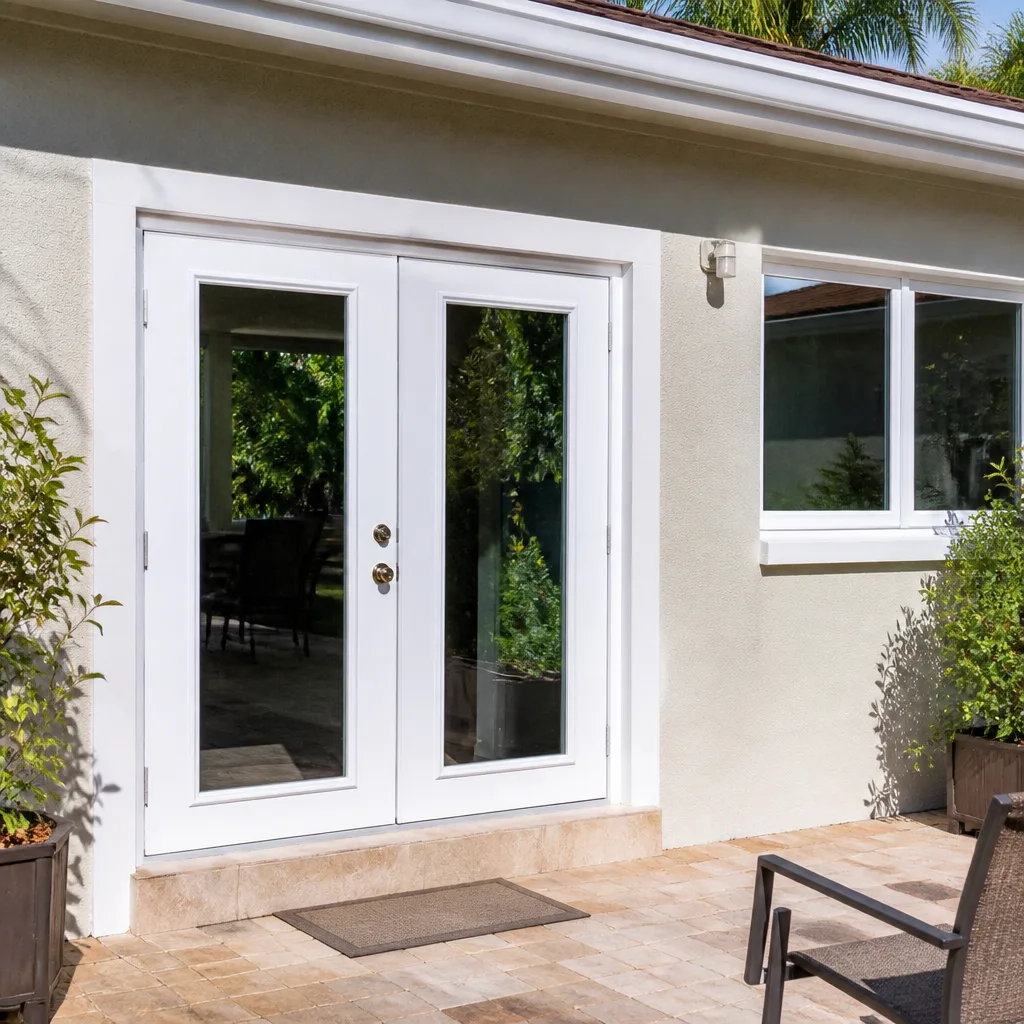 After
After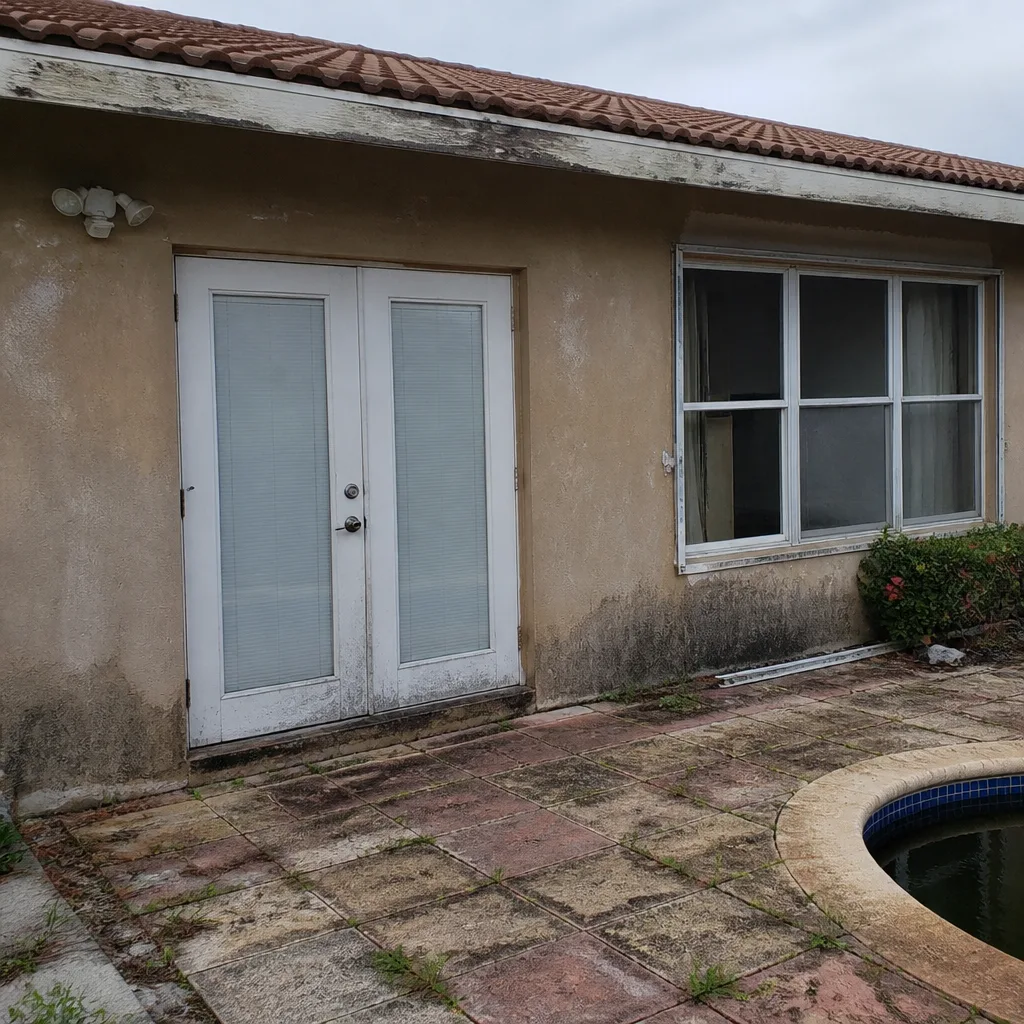 Before
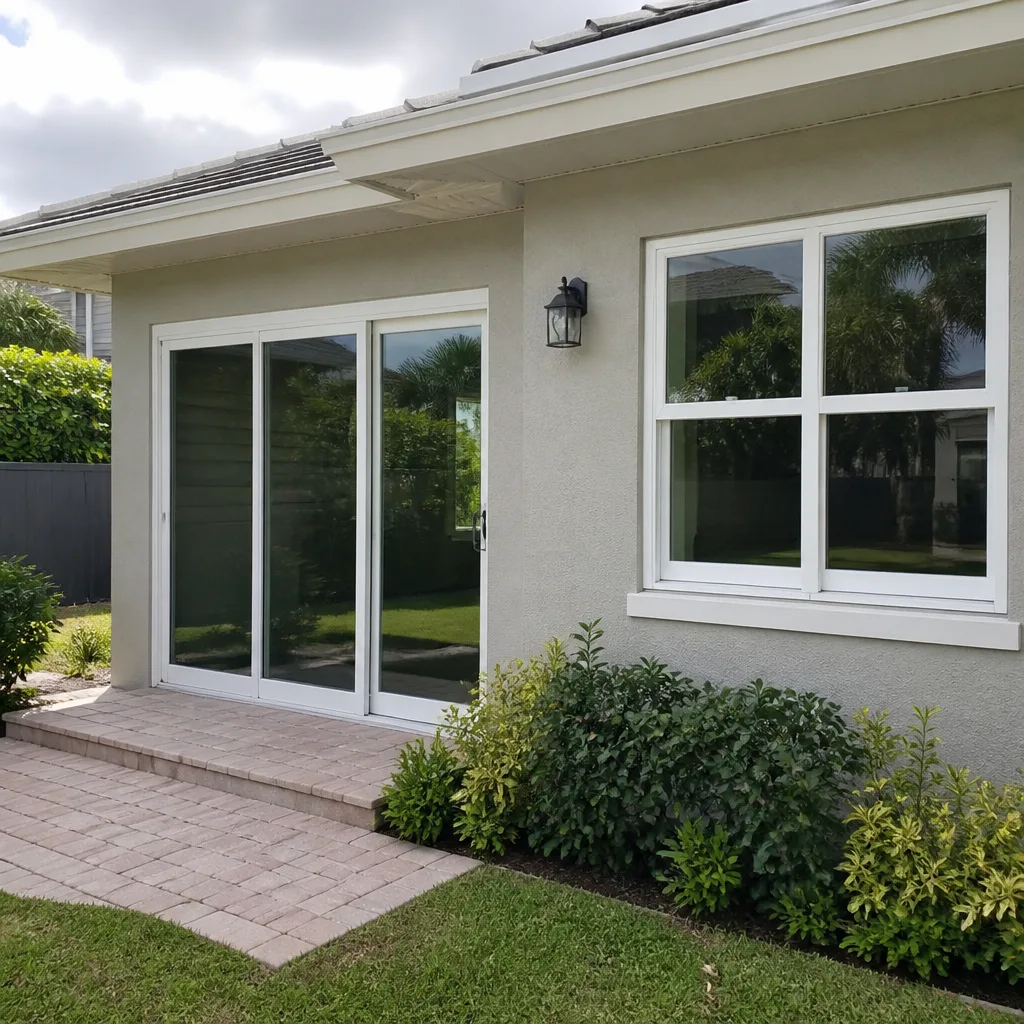 After
After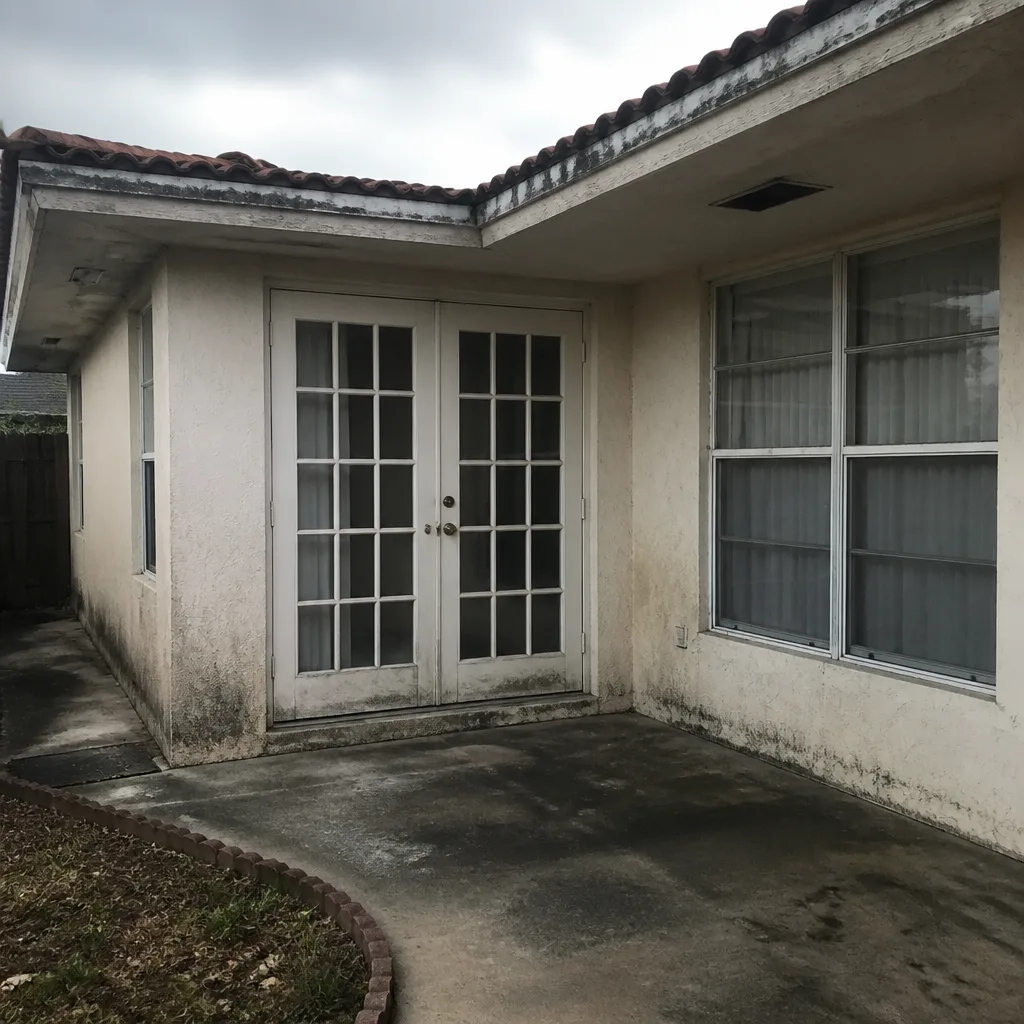 Before
 After
AfterWindows & Doors Permits, Codes & Inspections in FL: What You Need to Know
Most Florida homeowners don’t discover they needed a permit until the job is already done and the buyer’s inspector flags it during a sale. That discovery routinely costs between $1,500 and $4,000 in double permit fees, after-the-fact inspections, and rework when the work fails current code. This guide is written from Lauderhill, where we’ve spent years pulling permits, scheduling inspections, and fixing window and door work that was never permitted in the first place. By the time you finish reading, you’ll know exactly which projects need a permit in Florida, what the 2023 Florida Building Code actually requires for windows and doors, what inspectors check, what unpermitted work costs you later, and how to handle the whole process without losing a week of your life to the Building Department.
Quick Answer
In Florida, any window or door replacement that changes the size of the opening, alters structural framing, or installs impact-rated products in a wind-borne debris region requires a building permit. In Lauderhill and across Broward County, permits are also required for most replacements in load-bearing exterior walls even when you’re swapping same-size units, because the code requires the installation to meet current wind-load and water-resistance standards instead of the standards from whenever the house was built. Expect permit fees to run roughly $150 to $500 depending on the project, inspections to take one or two visits, and the entire permit-to-closeout timeline to run one to four weeks. A licensed contractor handles the permit application and scheduling as part of the job; a homeowner pulling their own permit assumes legal liability for code compliance and any failure down the road.
Table of Contents
- When You Need a Permit in Florida: The Actual Rules
- Florida Building Code Essentials for Windows and Doors
- Impact Windows, High-Velocity Hurricane Zones, and the Broward Difference
- Step by Step: The Permit Process in Lauderhill and Broward County
- What Inspectors Actually Check: Rough, Final, and Everything In Between
- What Permits and Code Compliance Really Cost in Florida
- The Real Cost of Unpermitted Work: Sales, Insurance, and Liability
- Common Mistakes to Avoid
- When to Call a Professional
- Frequently Asked Questions
- The Bottom Line
When You Need a Permit in Florida: The Actual Rules
Florida’s permit requirements come from the Florida Building Code (FBC), which the state updates every three years. The 2023 edition, now in effect, tightened the rules for window and door work in ways that catch homeowners off guard. The short version: if the work touches the building envelope on an exterior wall, assume a permit is required until someone with a license tells you otherwise in writing.
A permit is required when any of these conditions apply:
- The rough opening changes size - widening a window, converting a window to a door, combining two windows into one, or enlarging a patio door opening. This means new headers, possibly new king studs and trimmers, and structural work the inspector must see before it gets covered.
- The replacement involves impact-rated products in a wind-borne debris region - which includes essentially all of Broward County. Impact windows and doors must be installed to the manufacturer’s approved product notice (NOA or FL product approval), and the inspector verifies the installation matches that document.
- You’re replacing a door in a load-bearing exterior wall - even a same-size replacement requires a permit because the anchor pattern, flashing, and sill pan details must meet current code, not the code from 1987.
- You’re changing the sill height, egress opening, or swing direction - any change that affects escape routes in a fire triggers a permit and a life-safety review.
- You’re installing a new glass door where a solid wall existed - this is a change to the building envelope and a structural change to the wall, which means engineered drawings are typically required.
In Lauderhill specifically, the city’s Building Department follows the Broward County amendments to the FBC. One thing we tell homeowners repeatedly: “It’s just a same-size swap” does not automatically exempt you. A homeowner replaced a sliding glass door in the Inverrary neighborhood without a permit, same size, same opening. Two years later, the house went under contract and the buyer’s inspector flagged the missing permit. The seller paid $1,850 in after-the-fact fees and re-inspection costs, plus the anxiety of a deal nearly falling apart. The expense of the permit would have been under $300.
There are narrow exemptions. Minor repairs like replacing glass in an existing sash, replacing weatherstripping, or adjusting hardware do not require a permit, provided you’re not altering the structural opening or the window’s performance characteristics. But the moment you pull the entire window or door out of the wall, the permit requirement generally attaches.
Florida Building Code Essentials for Windows and Doors
The 2023 Florida Building Code, Residential (FBC-R), Chapter 6 covers walls and the fenestration products that go in them. If you’re replacing windows or doors in Lauderhill, you don’t need to memorize the code, but you should understand the four requirements that drive most of the cost and most of the confusion.
1. Design pressure ratings. Every window and door installed in Broward County must carry a design pressure (DP) rating that matches or exceeds the wind-load requirements for the specific location on the home. A window on the second floor of a house near the Turnpike faces a different wind-load calculation than a window on the first floor of a house in central Lauderhill. The product approval documents show exactly where each product can be installed and how it must be anchored. When a contractor says “the code says I need a DP 50 window here,” they’re referring to a number that a licensed engineer or code professional determined for that specific opening. This is not a one-size-fits-all conversation.
2. Impact protection or shutters. Florida law gives homeowners two options for meeting wind-borne debris protection: install impact-rated windows and doors, or install code-approved shutters or panels over non-impact windows. Most Lauderhill homeowners choose impact-rated products because shutters require someone to be home to deploy them before a storm, and they’re often the same price as a quality non-impact unit once you factor in the shutter system.
3. Flashing and water management. The 2023 FBC strengthened the requirements for flashing around window and door openings. Sill flashing, jamb flashing, and head flashing must create a shingled system that directs water out and down, away from the rough opening. In South Florida, where afternoon thunderstorms dump two inches of rain in forty minutes during the summer, a window installed with improper flashing will leak within the first wet season. The inspector checks this during the rough inspection, before the trim goes on.
4. Energy code compliance. Florida’s energy code requires replacement windows to meet minimum performance criteria for solar heat gain coefficient (SHGC) and U-factor. In the hot-humid climate zone that includes Lauderhill, windows must limit how much heat they admit. A window with a SHGC of 0.25 or lower is common for east- and west-facing openings. This matters not just for compliance but for what the homeowner actually experiences: the difference between a living room that stays comfortable in August and one that runs the AC nonstop from noon to sunset.
Impact Windows, High-Velocity Hurricane Zones, and the Broward Difference
Broward County sits inside a wind-borne debris region, which means building code requires every exterior opening to be protected from flying debris during a hurricane. Lauderhill is not within the High-Velocity Hurricane Zone (HVHZ) - that designation applies to Miami-Dade and Broward counties both, but the application differs slightly. The practical effect for a homeowner? Impact-rated windows and doors installed in Lauderhill must carry a valid Florida Product Approval or Miami-Dade NOA (Notice of Acceptance).
When we quote impact windows in Lauderhill, we specify each opening’s product approval number on the written quote. The homeowner sees exactly which manufacturer’s product is going in, which approval covers it, and which size and anchoring schedule applies. That’s not paperwork theater. The inspector checks the product approval against the installed product during the inspection cycle, and the approval document is what the inspector uses as the installation standard.
Products from CGI, ES Windows, and ECO Window Systems carry approvals that cover most residential openings in Broward County. CWS also manufactures an impact line we’ve installed in Lauderhill neighborhoods where homeowners wanted a specific frame profile. The important point is not the brand name. The point is that the product must be approved for the exact opening size and installation condition, and the contractor must install it to the approved anchoring pattern. An impact window with the right product approval installed with the wrong anchors will fail the inspection and, more importantly, will not protect the house in a storm.
One detail that surprises homeowners: impact-rated doors, especially sliding glass doors and hinged entry doors, face stricter testing requirements than windows because they’re larger and more likely to be used as an escape route. A sliding glass door that meets impact requirements must also meet the forced-entry provisions of the Florida Building Code. In Lauderhill, where most homes built in the 1970s and 1980s have original aluminum sliders, a replacement impact slider almost always requires reframing the opening to meet current anchor and sill requirements.
Step by Step: The Permit Process in Lauderhill and Broward County
Here’s the process as it works in Lauderhill when a licensed contractor handles the job. A homeowner pulling a permit directly follows the same steps but assumes responsibility for every number, every drawing, and every inspection result.
- Job documentation is assembled. The contractor prepares a scope of work, a floor plan or elevation showing each opening being replaced, and the Florida Product Approval documents for each window and door. For projects that change the size of an opening, the city typically requires a signed and sealed drawing from a Florida-licensed engineer or architect.
- The permit application is submitted online. Lauderhill processes residential building permits through its electronic permitting portal. The application includes the scope of work, the contractor’s license information, the property’s folio number, and the product specifications.
- Plan review. The Building Department reviews the application for code compliance. Simple same-size replacement permits often clear review in one to three business days. Projects involving structural changes may take up to two weeks.
- Permit issuance and fee payment. Once approved, the permit is issued and fees are paid. A typical residential window and door permit in Lauderhill runs $150 to $500 depending on the scope and the number of openings.
- Permit card posted. The permit must be posted at the job site and available for the inspector to see. The contractor is responsible for making sure the permit is visible on inspection day.
- Inspections are scheduled. For same-size replacements, one rough inspection and one final inspection are typical. The rough inspection happens after the old window is out and the new window is in the opening but before trim and final sealant are applied. The final inspection happens after all trim, caulking, and finish work are complete.
- Permit closed. When the final inspection passes, the Building Department closes the permit. The homeowner should receive a copy of the final inspection record. Keep this document. It’s the proof a future buyer’s inspector will ask for.
In Lauderhill, inspections are generally scheduled in a morning or afternoon time slot. The homeowner does not need to be present if the contractor is handling it, but it helps to have someone on site who can answer questions about the work. Missed inspections, failed inspections, and re-inspections add time and fees, so the practical advice is to make sure the contractor has a complete job file before the first inspector shows up.
What Inspectors Actually Check: Rough, Final, and Everything In Between
Most window and door replacement projects in Lauderhill involve two inspections: a rough inspection and a final inspection. Understanding what the inspector looks for in each phase removes the mystery and helps homeowners spot red flags before the inspector ever arrives.
During the rough inspection - the old window is out, the new window is set in the opening, but trim and interior casing are not installed. The inspector is checking:
- That the product approval document matches the installed unit - same manufacturer, same size, same series.
- That the anchor pattern matches the approval. Impact windows require a specific number of fasteners, spaced according to the approval document, with the correct embedment depth into the surrounding structure.
- That shims are placed correctly and the window is square and level in the opening. A window installed out of square will bind, leak, and fail.
- That the flashing system is installed correctly - sill pan, jamb flashing, and head flashing shingled in the right order.
- That the gap between the window frame and the rough opening is correct and will be properly sealed.
- For impact products: that any mullion assemblies between windows match the approved mullion detail.
If the inspector fails the rough inspection, the contractor receives a correction notice and a re-inspection is scheduled. Each re-inspection carries a fee, and in Lauderhill the fee for a failed re-inspection can run $75 to $150 depending on the project size. A contractor who measures every opening twice and prepares the job file before the inspection avoids most of these failures.
During the final inspection - the windows and doors are fully installed, trimmed, caulked, and operational. The inspector verifies:
- That the units operate properly - they open, close, lock, and latch without binding.
- That the egress requirements are met, which means the opening dimensions and sill height meet the escape and rescue standards in the code.
- That the sealant work is complete and the installation is weather-tight.
- That the permit card is posted and the scope of work matches what was permitted.
For some projects - particularly ones where the structural opening changed - a third inspection may be required after the structural work is complete but before the window goes in. This structural inspection verifies the header, king studs, trimmers, and any tie-down straps. Most homeowners never see this inspection, but it’s a critical part of the process for opening changes.
What Permits and Code Compliance Really Cost in Florida
Permit costs are the smallest line item in a code-compliant window and door project, but they’re the line item homeowners ask about first. Here’s a realistic breakdown for Lauderhill based on current fee schedules.
| Cost Item | Typical Range in Lauderhill |
|---|---|
| Residential window/door permit (same-size replacement) | $150 - $350 |
| Residential window/door permit (opening change, structural) | $300 - $600 |
| Engineering drawings (when required) | $400 - $1,200 |
| Rough inspection (included in most permits) | $0 |
| Final inspection (included in most permits) | $0 |
| Re-inspection fee (after a failed inspection) | $75 - $150 |
| After-the-fact permit (unpermitted work, base fee only) | 2x the standard permit fee, plus plan review |
The permit itself is not the expensive part of code compliance. The expensive parts are the products that meet the code and the labor to install them correctly. An impact-rated window that meets Broward County’s current wind-load and energy requirements costs more than a builder-grade window from a home center, and the installation involves fasteners, flashing, and sealing products that add to the labor time. A homeowner who receives a quote that seems unusually low for impact work in Lauderhill should ask one question: “Is the permit included, and will you pull it under your license?” The answer tells you a lot about what’s actually being quoted.
One more cost consideration: the 5% discount for seniors and veterans that we offer at TruePane Windows & Doors applies to the entire project, not just the product. In a market where code-compliant impact replacement often runs several thousand dollars, that discount on a $12,000 project is $600 - real money, and worth asking about with any contractor you’re evaluating.
The Real Cost of Unpermitted Work: Sales, Insurance, and Liability
Unpermitted window and door work in Florida is not a paperwork technicality. It’s a lien on the house that comes due when you least want it to. Here’s what unpermitted work actually costs a homeowner in Lauderhill.
When you sell the house. The Florida real estate contract asks whether improvements were made with proper permits. If you answer honestly and the work was unpermitted, the buyer has leverage to demand a price reduction, a repair credit, or an after-the-fact permit. In a normal market, that leverage typically costs the seller between 1.5 and 3 times what the original permit would have cost. If you answer dishonestly, you’ve committed fraud on a real estate disclosure, and the consequences get worse from there.
When you file an insurance claim. Florida insurers have made it standard practice to deny claims for storm damage when the damaged component was installed without a permit. If an unpermitted window fails during a hurricane and water floods the living room, the insurer can deny the entire claim on the grounds that the homeowner violated the policy’s requirement to maintain the property to code. That’s not hypothetical. We’ve seen it happen in Broward County more than once.
When the work fails. A window that was improperly installed without a permit has no inspection record, no code compliance verification, and often no enforceable warranty from the installer. The Florida construction statute of repose gives homeowners four years from the date of discovery to pursue a claim, but without a permit and inspection record, proving the standard of care becomes significantly harder.
The homeowner who files an after-the-fact permit in Lauderhill pays double the permit fee plus plan review, and the inspector will require the work to be opened up enough to verify the installation matches current code. That often means removing trim, exposing flashings, and sometimes resetting anchors - which is why the after-the-fact route frequently costs more than just doing it right in the first place.
This is one of the reasons we register both manufacturer warranty layers in writing before the truck leaves the driveway. The permit and inspection record goes in the homeowner’s file, and the warranty paperwork goes in the homeowner’s hand. If a question arises years later, there’s a paper trail that answers it.
Common Mistakes to Avoid
- Assuming same-size replacement doesn’t need a permit. In Lauderhill, same-size exterior window and door replacement still requires a permit when the products are impact-rated or when the existing installation doesn’t meet current anchor and flashing requirements. Check with the Building Department before signing a contract, and get the permit requirement in writing.
- Buying windows before verifying the product approval. A window that is not approved for Broward County’s wind-load requirements cannot be legally installed here, no matter what the sale price was. If the deal seems too good, check the Florida Product Approval number before you pay.
- Letting a contractor install without pulling a permit. A contractor who offers to “save you the permit hassle” is transferring the liability to you while keeping the fee. You’re paying for the permit either way. The permit is your proof the work is code-compliant.
- Skipping the rough inspection. Once the trim goes on, the inspector cannot see the anchors, flashing, or shims. If the rough inspection is skipped or scheduled after the work is covered, the city will require the work to be opened up for inspection - at your expense.
- Choosing products without checking the energy code. A window with the wrong SHGC in a west-facing Lauderhill room will make that room uncomfortable for years. Check the energy performance numbers on your quote, not just the impact rating.
- Failing to keep the permit and inspection records. The final inspection record is what a future buyer’s inspector asks for. Store it with the warranty paperwork. When you sell the house, that file becomes part of your disclosure.
- Pulling the permit yourself without understanding the liability. A homeowner who pulls their own permit becomes the responsible party for code compliance. If a year later the window leaks and the insurer asks who was responsible for the installation, the answer is you.
When to Call a Professional
There are window and door projects where the right move is to call someone who does this every day, and not just for the labor. Anytime the structural opening changes, the product must meet impact requirements, or the existing installation shows signs of water intrusion, the code, permit, and inspection process shifts from paperwork to judgment. A licensed contractor who has pulled permits in Lauderhill for years knows what the city’s inspectors look for, which engineered details require a stamp, and how to sequence the work so inspections don’t slow the job down.
TruePane Windows & Doors offers free estimates in Lauderhill. We’re happy to look at the openings, check the existing installation, and give you a written line-item quote that includes the permit cost, the product specifications, and the inspection schedule. We’ve served local communities since 2008 through a family tradition that started with second-generation glazier Dale Kessler, and we still measure every opening twice. Call (850) 303-7739 to schedule your free estimate.
Frequently Asked Questions
A typical residential window and door permit in Lauderhill costs between $150 and $500, depending on the scope and whether structural changes are involved. The permit fee is a small part of the total code-compliance cost, which also includes the impact-rated products and the labor to install them to the approved anchoring pattern. For an exact line-item quote that includes the permit, call (850) 303-7739.
Yes, in most cases a permit is required for same-size exterior window replacement in Broward County when the new window is impact-rated or when the existing installation must be brought up to current anchor and flashing requirements. The only same-size replacements that consistently qualify for an exemption are minor repairs like glass replacement within an existing sash. A licensed contractor can confirm the requirement for your specific openings in writing.
Unpermitted window installation becomes a disclosure issue when you sell the house, a coverage issue when you file an insurance claim, and a compliance issue when the work fails. Florida insurers commonly deny storm-damage claims when the damaged window was unpermitted, and the after-the-fact permit process in Lauderhill costs double the standard fee plus plan review. The work also has to be opened up enough for the inspector to verify compliance.
Impact windows require a standard building permit that includes the Florida Product Approval or Miami-Dade NOA documentation for each unit. The inspector verifies that the installed product matches the approval document and that the anchoring pattern matches the approved installation schedule. The permit process itself is the same; the documentation requirements are stricter.
For a straightforward same-size replacement, the permit and inspection process typically takes one to three weeks from application to final inspection in Lauderhill. Structural changes add plan review time and possibly an additional engineering review, which can extend the timeline to four weeks or more. A contractor who prepares the job file completely before applying avoids most delays.
A homeowner can pull their own permit in Florida, but doing so makes the homeowner the legally responsible party for code compliance, inspection scheduling, and any failures that occur after the work is complete. For impact-rated products in a wind-borne debris region, that’s a significant liability. Most homeowners choose to have a licensed contractor handle the permit, the inspections, and the warranty documentation. Call (850) 303-7739 for a free estimate that includes the full permit and inspection process.
A Florida Product Approval is issued by the state for products that meet the Florida Building Code’s statewide standards. A Miami-Dade NOA is issued by Miami-Dade County and is the older, stricter standard that many products carry alongside or instead of a state approval. In Broward County, either document is generally acceptable for residential window and door installations, provided the product and anchoring details match the specific opening.
The Bottom Line
Florida’s permit and code requirements for windows and doors exist because the state’s climate demands it. A window installed to code in Lauderhill has been verified against wind-load calculations, impact standards, water-management details, and energy requirements - all of which are specific to this place, this climate, and this house. The permit is not bureaucracy. It’s the record that proves the work was done right. When you’re ready to replace windows or doors, get the permit requirement in writing, check the product approvals, keep every inspection record, and hire someone who treats the paperwork as part of the craft. If the pane is not true, the job is not done.
Call TruePane Windows & Doors at (850) 303-7739 for a free estimate in Lauderhill. We’ll walk the openings with you, explain what your house needs, and put a written quote in your hand that includes the permit, the products, and the inspection schedule. Done right, from the first measurement to the final inspection.
Written by Dale Kessler, Owner at TruePane Windows & Doors, serving Lauderhill since 2008.
Six Reasons Homeowners Choose TruePane Windows & Doors
Impact systems engineered to design pressures up to +/-100, matched to your wind zone - your openings hold when the storm arrives.
Low-E insulated impact glass from our manufacturer lines commonly cuts monthly cooling bills 20-30%.
Laminated impact glass shuts out up to 40% of outside noise - traffic, neighbors, weather.
Monitoring services run $30-90 a month. Laminated impact glass resists forced entry around the clock, with no subscription.
Florida homeowners average around 25% savings on the windstorm portion of their policy after protecting every opening - some homes qualify for more.
A full impact package upgrades curb appeal, buyer confidence and appraised value in one project.