
Last updated August 27, 2026
Free in-home measure and quote - PGT, CGI and CWS impact lines compared on your actual openings, style by style
Sliding glass doors
Impact garage doorsPGTCGI
 Before
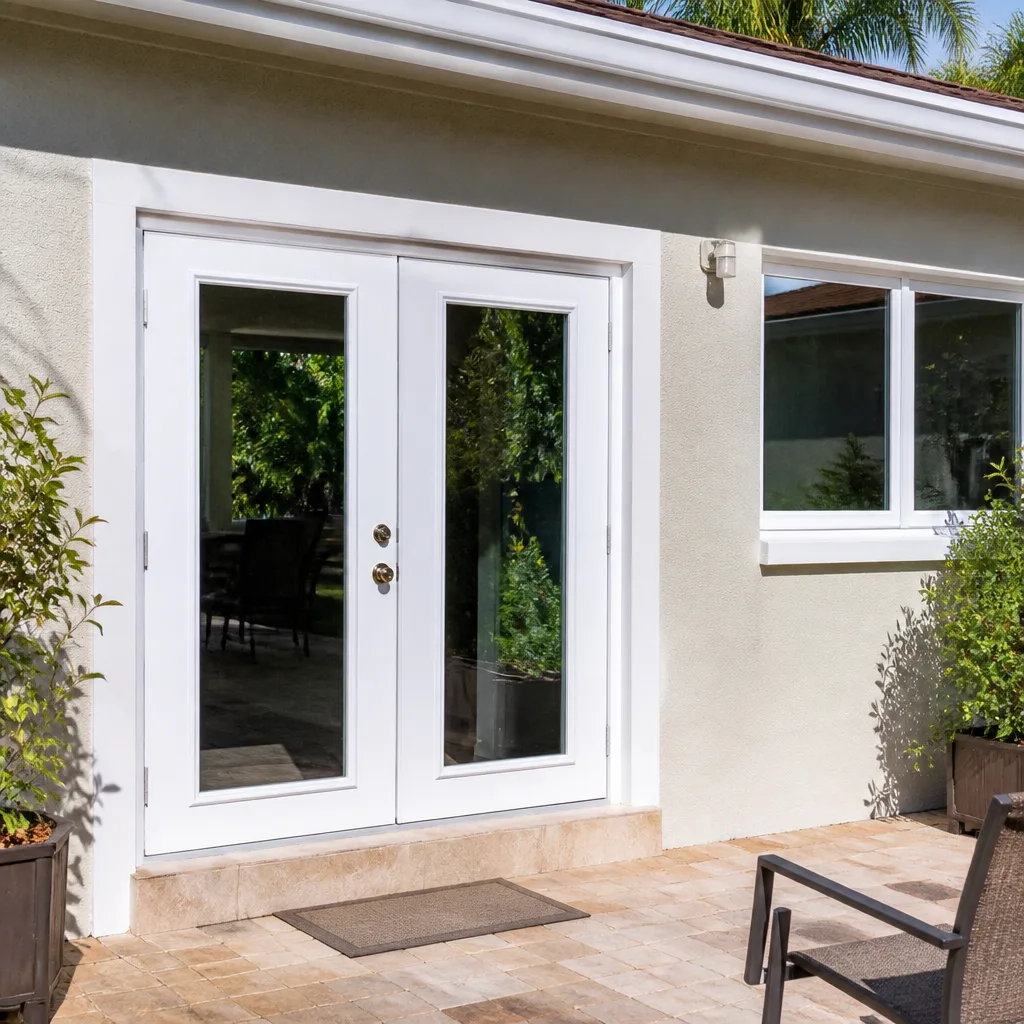 After
After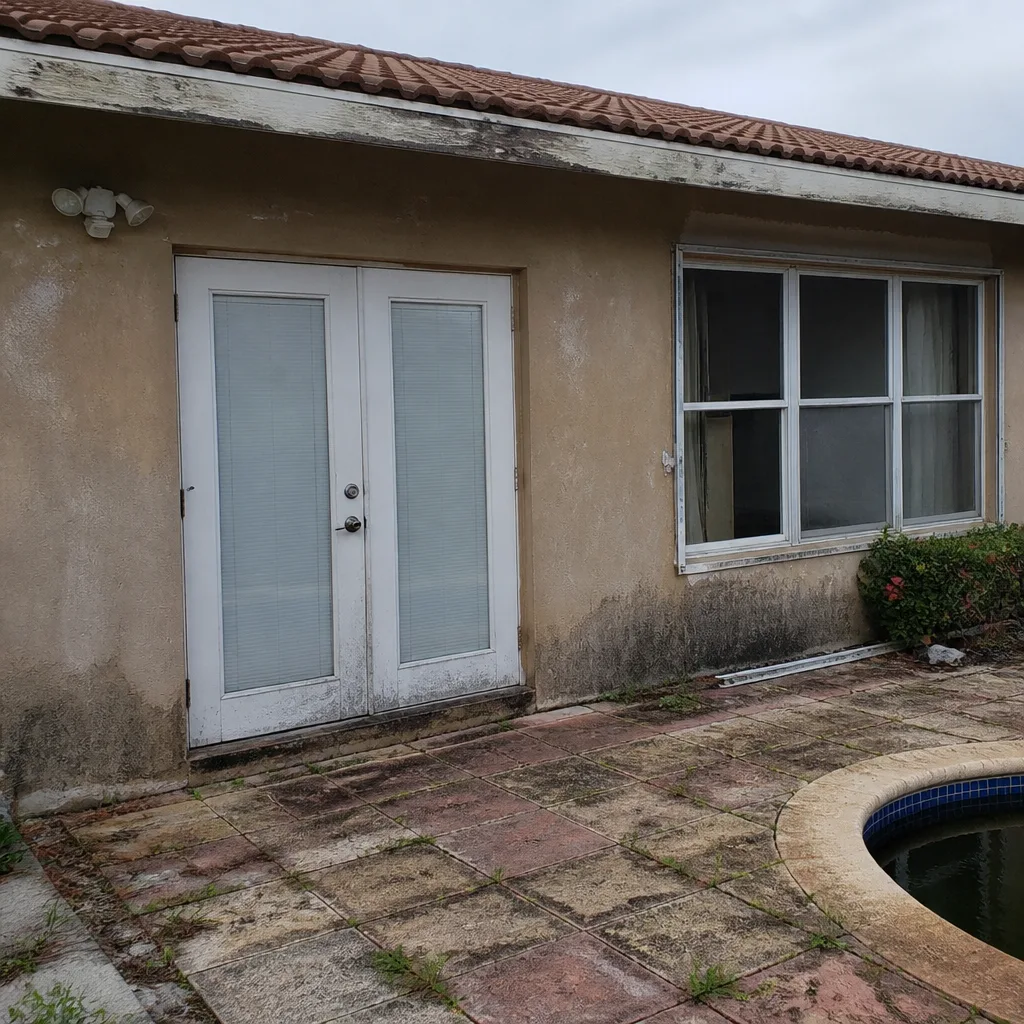 Before
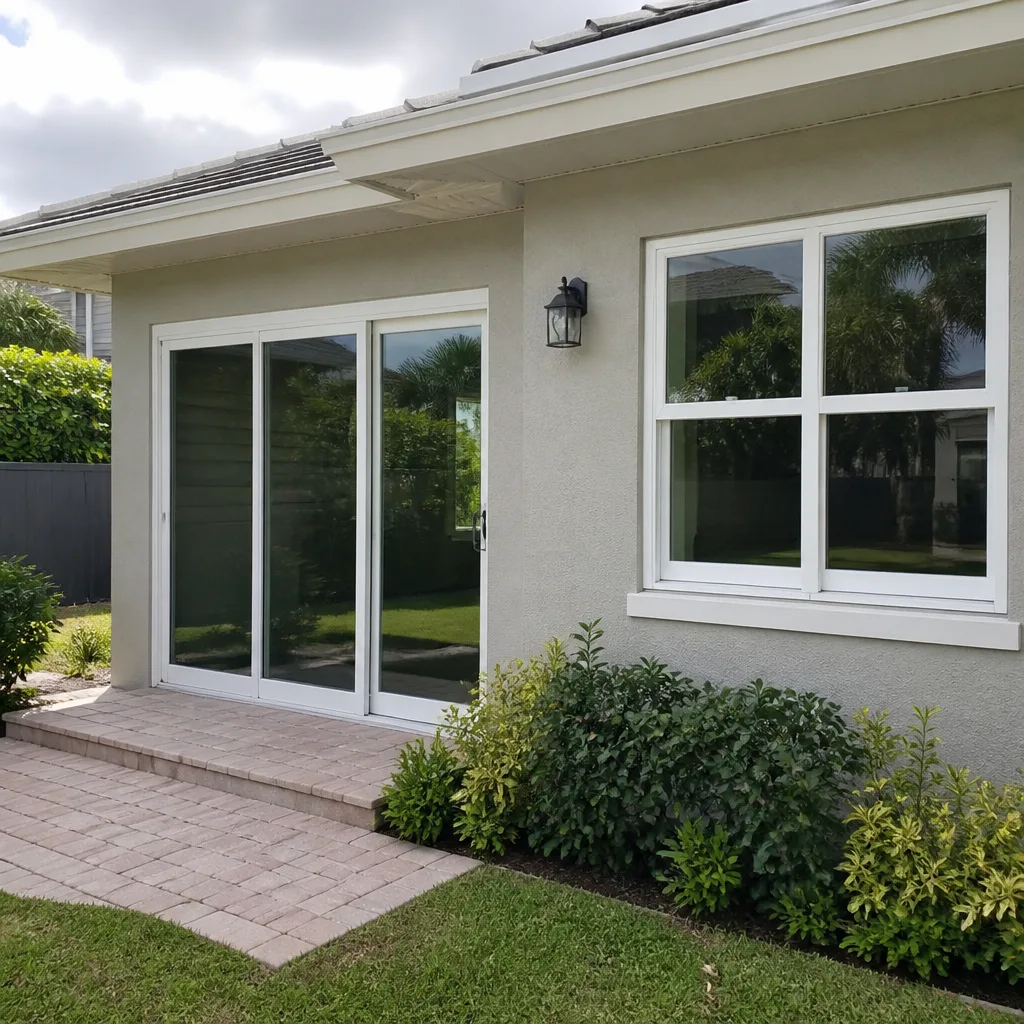 After
After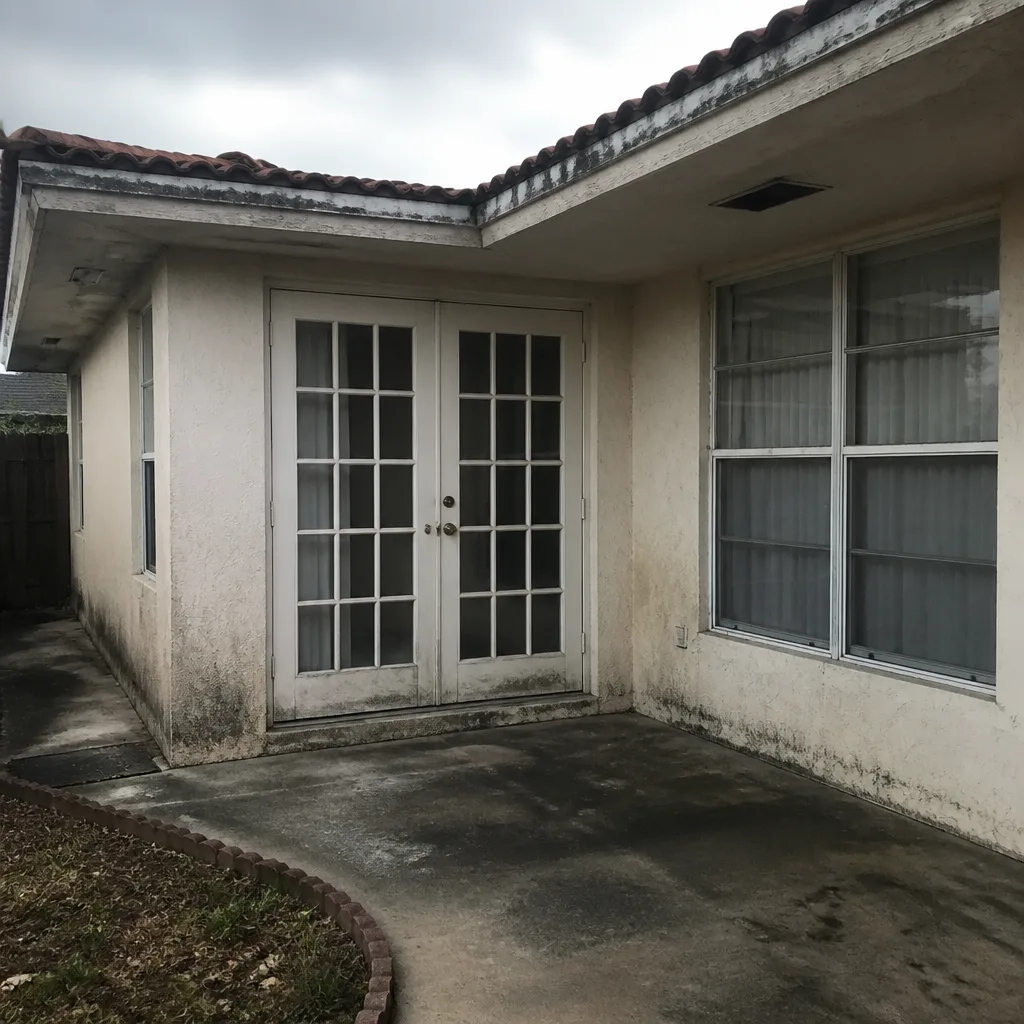 Before
 After
AfterDIY vs Professional Windows & Doors: The Lauderhill Homeowner’s Decision Guide
Here’s a number most window companies won’t tell you: in our years of glazing work, roughly one in four DIY window replacements we’re called out to inspect has a problem that voids the manufacturer’s warranty before the first hurricane season ends. That’s not a guess. That’s what we find when we pull the trim off a window a homeowner installed themselves six months earlier. This guide will walk you through the honest trade-offs of doing it yourself versus hiring a professional in Lauderhill, what actually goes wrong, what it costs either way, and how to decide without getting burned. You’ll learn the real differences in code compliance, warranty coverage, energy performance, and long-term durability. And you’ll get a straight answer on when DIY makes sense and when it is a losing bet.
Quick Answer
For most Lauderhill homeowners, professional window and door installation is the better financial and practical decision, especially for anything beyond a simple screen replacement or hardware swap. DIY glass and frame work typically voids manufacturer warranties, rarely meets Florida’s strict wind-load code requirements, and often costs more to fix than the initial savings. If the job involves tempered glass, impact-rated units, or any opening larger than a standard single-hung window, call a licensed installer.
Table of Contents
- What DIY Actually Saves (And What It Doesn’t)
- Lauderhill Code Requirements: The Part Nobody Reads First
- Warranty Realities: The Fine Print That Costs Thousands
- When DIY Makes Sense in Lauderhill
- The Professional Difference: What a Real Installer Does in 6 Steps
- Cost Comparison: DIY vs Professional in Lauderhill
- Energy, Humidity, and the South Florida Climate
- Safety Considerations You Should Not Ignore
- Common Mistakes to Avoid
- When to Call a Professional
- Frequently Asked Questions
- The Bottom Line
What DIY Actually Saves (And What It Doesn’t)
Let’s start with the number everyone cares about. A mid-range vinyl replacement window in Lauderhill runs between $380 and $650 per unit at retail. A professional supply-and-install quote for that same window typically lands between $700 and $1,100 per unit. So yes, the DIY route looks like it saves you $300 to $450 per window at first glance. That math changes when you account for the tools you will need to buy, the materials you will waste learning, and the mistakes that require calling a professional anyway.
The tools alone tell a story. A proper window installation requires shims, a level that is actually accurate, flashing tape, backer rod, sealant rated for South Florida UV exposure, and for anything in a masonry opening, a hammer drill with carbide bits. Lauderhill homes built before 1980 frequently have concrete block exterior walls. Drilling into that block without the right bit burns out a homeowner-grade drill in about twenty minutes. We know because we’ve replaced the windows after those drills gave out mid-job.
Then there is the time cost. A first-time DIY window replacement takes six to eight hours per window, assuming nothing goes wrong. It will go wrong. The window will be out of square. The rough opening will be an inch wider on one side. The old window will have been installed with construction adhesive that fights you the whole way out. A professional crew replaces six to ten windows in a single day because they’ve seen every variation of rough opening Lauderhill’s housing stock can produce.
What DIY does save money on: hardware replacement like locks, handles, and hinges. Screen repair. Weatherstripping. Caulking. Seasonal maintenance like cleaning tracks and lubricating rollers. These are legitimate homeowner tasks that take basic tools and less than an hour. What DIY does not save money on: full window replacement, sliding glass door installation, impact glass, and any unit larger than 36 inches wide. The margin for error on those jobs is measured in fractions of an inch, and the cost of a mistake is measured in thousands of dollars.
Lauderhill Code Requirements: The Part Nobody Reads First
Florida building code is not a suggestion. It is a response to Hurricane Andrew, and it is stricter than anywhere else in the continental United States. Lauderhill sits in a high-velocity hurricane zone, which means every window and exterior door must meet specific wind-load and impact-resistance standards. The current Florida Building Code requires that replacement windows in existing homes either be impact-rated or be protected by an approved shutter system. If you pull a permit, the inspector checks this. If you don’t pull a permit, the problem does not go away. It becomes a disclosure issue when you sell the house.
In unincorporated Broward County and within Lauderhill city limits, window and door replacement requires a permit. That permit requires a product approval number for each window or door being installed. That product approval number must match the specific size, frame material, and glass type of the unit going into your wall. This is not paperwork theater. The city keeps records, and when a future buyer or their insurance company asks for proof of code-compliant installation, the permit is the document that answers the question.
We see homeowners in the Inverrary and St. George neighborhoods regularly surprised by the permit requirement. They bought a window at a big-box store, installed it over a weekend, and only discovered the permit issue when they tried to renew their homeowner’s insurance. Some insurers in South Florida now ask specifically whether any window work has been done without permits. Answering honestly can trigger a policy review. Answering dishonestly is insurance fraud. Neither is a good position for a homeowner who was just trying to save a few hundred dollars.
Professional installation includes permit pulling, scheduling the inspection, and meeting the inspector on site. The permit cost in Lauderhill is typically $75 to $200 for window replacement, depending on the scope of work. That is not a markup. That is the actual city fee, and any contractor who suggests skipping the permit is telling you they are comfortable cutting corners elsewhere too. A legitimate installer treats the permit as routine, not as an obstacle.
Warranty Realities: The Fine Print That Costs Thousands
Here is the sentence every window manufacturer puts in their warranty documentation, usually in small type on page seven: this warranty is void if the product is not installed in accordance with the manufacturer’s written installation instructions and all applicable building codes. What that means in plain English: DIY installation almost always voids the warranty, even if the installation looks fine from inside the house.
Manufacturers like CGI and ES Windows take this seriously. These are not companies that built their reputations on honoring claims from unverified installations. When a seal fails or the laminate delaminates, the first thing the warranty department asks for is proof of professional installation. Some manufacturers require the installer’s name and license number at the time of purchase. Others require that installation be performed by a factory-trained or authorized dealer. A homeowner who bought the window at retail and installed it themselves has no answer to that request.
What you lose when the warranty is voided is more expensive than people realize. A failed insulated glass unit in an impact window costs $400 to $900 to replace, depending on size and glass type. A warped vinyl frame or a failed balance system can cost more. On a house with ten windows, a single premature failure wipes out whatever the homeowner saved by not hiring a professional in the first place. The math collapses on itself quickly.
There is also the workmanship warranty. When we install a window, TruePane Windows & Doors stands behind the labor, not just the glass. The Keystone Standard means both manufacturer warranty layers get registered in writing, with durations stated, before the truck leaves the driveway. The Done Right Promise means if something is not right, we fix it without paperwork fights or fine print. A homeowner installing their own windows gets none of that. The warranty is themselves, and when a seal fogs two years in, the only call they can make is to a company like ours to fix it at full price.
When DIY Makes Sense in Lauderhill
We are not going to tell you every project requires a professional. That would be dishonest, and it would ignore the reality that some window and door work is genuinely within a careful homeowner’s reach. Here are the jobs where DIY is reasonable, the conditions where it works, and the line where it stops being reasonable.
Screen replacement is the obvious starting point. A torn screen on a porch or a patio door is a $15 to $40 fix for materials and about an hour of work. The spline rolls into the channel, you trim the excess, and the job is done. Same with screen frame corner repairs. These are maintenance items, not structural work, and nothing about them affects code compliance or warranty coverage.
Hardware replacement is another reasonable DIY category. Door handles, locksets, window cranks, and sliding door rollers wear out over time, especially in Lauderhill’s salt-adjacent air. Replacing them requires a screwdriver, patience, and the ability to match the old hardware to the new. The key caveat: if the new hardware does not sit flush or the door binds after you install it, stop and call someone. Forcing a misaligned door closed every day will wreck both the hardware and the frame within a year.
Caulking and weatherstripping fall into the same category. These are seasonal maintenance tasks that keep water and air out. A tube of quality exterior caulk costs $8. Weatherstripping runs $10 to $30 per door. The work is straightforward, and doing it yourself is entirely appropriate. The one caution: if you are caulking around a window because you see water inside the house, the caulk is not the problem. The flashing is. Caulking over a flashing failure just traps the water and accelerates rot. That is a job for a professional.
The line where DIY stops being reasonable is clear. If the job involves removing the old window from the rough opening, pulling a permit, installing a product with a Florida product approval number, or handling glass larger than what you can comfortably carry with two hands, hire a professional. The risk profile changes entirely at that point, and the savings evaporate when the first mistake is made.
The Professional Difference: What a Real Installer Does in 6 Steps
It is worth understanding what professional installation actually includes, because the difference between watching a YouTube tutorial and watching a trained crew work is the difference between following steps and understanding the reasons behind them. Here is what a proper window installation looks like, start to finish, in a Lauderhill home.
- Measuring and ordering. Every opening is measured twice: width, height, and diagonal. The diagonal measurement catches out-of-square rough openings that a simple width-and-height check misses. In Lauderhill’s older neighborhoods, like the homes along NW 47th Avenue, out-of-square openings are the rule, not the exception. Ordering a window to fit those openings requires real numbers, not round ones.
- Permit and product approval. The installer pulls the permit, files the product approval numbers, and schedules the inspection. This is not glamorous work, but it is the part that protects the homeowner when the insurance company or a future buyer asks questions.
- Removal. The old window comes out carefully enough that the rough opening survives intact. On block-wall homes, this means cutting through any masonry fasteners without cracking the wall around them. On wood-frame homes, it means preserving the sheathing and framing so the new window has solid material to anchor into.
- Opening prep and flashing. The rough opening gets inspected for rot, termite damage, and water intrusion. Damaged framing gets repaired before the new window goes in. Flashing is installed to direct water down and out, not into the wall cavity. This is the step that determines whether the window leaks in ten years, and it is the step most DIY installers skip or do wrong.
- Setting and leveling. The new window is set in place, shimmed level and plumb, and fastened per the manufacturer’s instructions. The window is checked for square operation: it opens, closes, locks, and seals without binding. If the pane is not true, the job is not done. That is the standard, and it is not up for negotiation.
- Sealing and finishing. Exterior sealant is applied to the perimeter, interior trim is replaced or repaired, and the work area is cleaned. The installer walks the homeowner through the new window, demonstrates the operation, and registers the warranty before leaving.
That is the difference in a nutshell. A professional installation is not just the physical act of putting a window in a hole. It is the measurement, the permits, the flashing, the leveling, and the warranty registration. Each step exists because someone, somewhere, skipped it and paid the price. Our job is to make sure you never do.
Cost Comparison: DIY vs Professional in Lauderhill
Let’s put real numbers on the table. These are ranges we see regularly in Lauderhill for standard residential window and door work. They are not quotes, because every house is different, but they will give you a grounded sense of what you are deciding between.
- Single-hung vinyl replacement window, DIY: $380 to $650 for the window, $75 to $150 for tools and materials, $75 to $200 for a permit if you pull one. Total: $530 to $1,000. Professional supply and install: $700 to $1,100. Difference: $100 to $400, not counting mistakes.
- Sliding glass patio door, DIY: $900 to $1,800 for the door, $100 to $250 for tools, $100 to $250 for a permit, plus a second pair of hands because a patio door weighs 150 to 300 pounds and cannot be safely handled alone. Total: $1,100 to $2,300. Professional supply and install: $1,800 to $3,200. Difference: $700 to $900, with the DIY route carrying real personal injury risk.
- Impact window, DIY: $500 to $1,200 for the unit, $150 to $300 for tools, $75 to $200 for the permit, plus the near-certainty that the manufacturer will void the warranty on a self-installed impact product. Total: $725 to $1,700. Professional supply and install: $1,000 to $2,000. Difference: $275 to $300, which is less than the cost of replacing one failed IGU.
- Exterior door replacement, DIY: $400 to $1,200 for a pre-hung door, $100 to $200 for tools and shims, $75 to $200 for a permit. Total: $575 to $1,600. Professional supply and install: $1,200 to $2,500. Difference: $625 to $900, with the DIY route risking a door that binds in July heat and lets water in during afternoon storms.
- Hardware and weatherstripping, DIY: $30 to $80 for materials. Professional cost: $150 to $400 including labor. This is the category where DIY genuinely wins, and we encourage it for anyone comfortable with basic tools.
- Full-house window replacement (10 windows), DIY: $5,300 to $10,000 all-in, assuming nothing goes wrong and you work every weekend for a month. Professional installation: $7,000 to $11,000. Difference: $1,000 to $1,700 on the whole job, with the professional carrying permits, warranty registration, and a workmanship guarantee. That is less than 20% of the project cost for complete removal of the risk.
One more number worth knowing: the cost to fix a botched DIY window installation in Lauderhill runs $500 to $1,500 per window, depending on what went wrong. Water damage from improper flashing is the most expensive repair, because by the time you see the stain on the drywall, the framing behind it has been rotting for months. That number erases the savings from the entire DIY project, usually in a single window.
TruePane Windows & Doors offers free estimates in Lauderhill with no obligation. We quote manufacturer lines side by side on paper - Andersen, Pella, Marvin, Milgard, Jeld-Wen, PGT, CGI, and ES Windows - so you see exactly what you are buying and what it costs. That estimate is yours to keep whether you hire us or not. Having real numbers makes any decision easier.
Energy, Humidity, and the South Florida Climate
Lauderhill’s climate is not a background detail. It is the primary stress test for every window and door in your house. Average summer temperatures run 88 to 92 degrees. Humidity sits above 80 percent for months at a time. Afternoon thunderstorms roll through most summer days, driving wind and rain against the west-facing walls of your house. And from June through November, the hurricane season means the difference between a properly installed window and an out-of-square one is measured in water intrusion, not comfort.
Energy efficiency is where professional installation shows up in your electric bill. A window that is not properly sealed and insulated against the rough opening leaks conditioned air. In Lauderhill, that means your air conditioner runs longer, works harder, and costs more every month. FPL estimates that inefficient windows can account for up to 30 percent of a Florida home’s cooling load. A professionally installed low-E insulated window, properly sealed, cuts that number dramatically. A DIY window with gaps around the frame does the opposite.
Humidity adds another layer. When humid outside air meets the cold surface of window glass, condensation forms. If the window is not properly sealed to the rough opening, that condensation finds its way into the wall cavity, where it feeds mold and rots framing over time. We have opened walls in Lauderhill homes and found black framing behind windows that looked fine from inside. The homeowner had no idea until the window was pulled for replacement.
ECO Window Systems and CWS windows are two manufacturer lines we install regularly in Lauderhill because they are engineered for this specific climate. The glass coatings are tuned for high solar heat gain rejection. The frames are reinforced to hold their shape in Florida heat. But even the best window fails if it is not installed square, sealed properly, and flashed to direct water away. The product and the installation are two halves of the same thing. Neither works without the other.
Safety Considerations You Should Not Ignore
Window and door work involves real physical risk, and we would be doing you a disservice if we did not say so plainly. The materials are heavy. The glass can shatter. The work happens at height on second-story windows. The tools involved include saws, drills, and pry bars that can do serious damage to a hand or an eye in an instant.
Sliding glass doors are the clearest example. A standard 6-foot patio door weighs between 150 and 300 pounds depending on the frame material and glass type. Impact-rated doors, like the ones from CGI and PGT that we install throughout Lauderhill, are heavier still. Moving one of those doors without proper equipment and a second person is how people end up in urgent care with crushed fingers or worse. This is not a job for one person on a Saturday afternoon.
Working at height adds another layer of risk. Second-story window replacement means working on a ladder or a scaffold, handling heavy materials, and maintaining balance while leaning to reach fasteners. Falls from ladders send more than 500,000 people to emergency rooms in the United States every year. The risk goes up when the person on the ladder is not trained, not using proper fall protection, and trying to manage a window sash at the same time.
Then there is the glass itself. Tempered glass shatters into small pieces designed to reduce injury, but those pieces still require careful handling. Non-tempered glass breaks into shards that can cause deep cuts. If a window breaks during installation, the cleanup alone is a hazard. Professional crews carry the right protective equipment, know how to handle glass under stress, and have the training to do the job without injury. If you attempt a DIY replacement and a pane breaks, stop work and call a professional. The risk is not worth the remaining savings.
Common Mistakes to Avoid
- Skipping the permit. In Lauderhill, unpermitted window work becomes a problem at insurance renewal or resale. The city keeps records, and the questions come eventually. Pulling the permit costs less than the headache of explaining why you didn’t.
- Measuring only width and height. Out-of-square rough openings are common in Lauderhill’s older homes, especially in the St. George and Inverrary neighborhoods. Diagonal measurements catch the problem before the window is ordered. Skipping them means a window that won’t seat properly, no matter how much you shim it.
- Ignoring flashing. Flashing is what keeps water out of your walls. It is invisible after the job is done, so it is easy to skip. But Lauderhill’s summer storms will find the gap, and the water damage will show up months later as a stain on the drywall and a repair bill that erases every dollar you saved.
- Buying impact-rated windows and installing them yourself. Impact windows from manufacturers like CGI and ES Windows carry product approvals that assume professional installation. Self-installing them voids the warranty and leaves you with zero recourse when something fails. You paid for the protection and then threw away the paperwork.
- Using the wrong sealant. The sealant that works in Michigan does not necessarily hold up to South Florida UV exposure and humidity. Using interior-grade caulk on an exterior window installation means it cracks within a year and lets water in. Exterior-grade, UV-rated sealant exists for a reason.
- Forcing a door that doesn’t fit. A pre-hung door that binds in the frame is not a minor annoyance. Forcing it shut every day stresses the hinges, warps the frame, and eventually wrecks the door. If the door doesn’t swing freely after installation, it was not installed level. That is a fix-it-now problem, not a live-with-it problem.
- Underestimating the time. A first-time window replacement does not take two hours. It takes a full day, often more, and the second window does not go much faster. Homeowners who budget a weekend for a whole-house replacement end up living with open holes in the wall or, worse, rushing the job and creating exactly the mistakes listed above.
When to Call a Professional
Call a professional when the job involves removing an existing window or door from its rough opening, installing impact-rated products, working on a second story, or dealing with any opening larger than a standard single-hung window. Call a professional when the job requires a permit, which most replacement work in Lauderhill does. Call a professional when the warranty matters to you, because self-installation voids it on nearly every manufacturer line worth buying. And call a professional if you have already started a DIY project and hit a wall - literally or figuratively. Fixing a half-finished DIY window job costs less than finishing it wrong.
TruePane Windows & Doors offers free estimates in Lauderhill - call (850) 303-7739. A live person answers the phone 24 hours a day, 7 days a week. We’ll send a background-checked, uniformed technician to measure your openings, quote manufacturer lines side by side on paper, and give you real numbers to work with. No pressure, no fine print, no surprise line items. Just a square deal on work done right.
Frequently Asked Questions
You can physically install an impact window yourself, but you should not. Impact windows carry Florida product approval numbers that assume code-compliant installation, and manufacturers like CGI and PGT will void the warranty on self-installed units. The permit requirement in Lauderhill also assumes a licensed installer. If you have already purchased impact windows, we can install them for you and register both warranty layers before the truck leaves the driveway. Call (850) 303-7739 to discuss your situation - estimates are free.
Professional window replacement in Lauderhill typically runs $700 to $1,100 per window for mid-range vinyl, $1,000 to $2,000 for impact-rated units, and $1,800 to $3,200 for sliding glass doors. These are installed prices including permits, flashing, and warranty registration. Exact numbers depend on the window size, the rough opening condition, and the manufacturer line you choose. Call (850) 303-7739 for a free, no-obligation estimate with real line-item pricing.
Yes, DIY installation voids the manufacturer’s warranty on almost every window line, including Andersen, Pella, Marvin, Milgard, PGT, CGI, and ES Windows. The warranty terms require installation in accordance with the manufacturer’s written instructions and applicable building codes, and self-installation almost never meets that standard. Professional installation protects the warranty and registers it in writing.
Yes, window and door replacement in Lauderhill requires a permit. The permit includes a plan review that confirms the products meet Florida Building Code wind-load requirements. Professional installers pull the permit as part of the job. Skipping it creates problems at insurance renewal and resale. TruePane Windows & Doors handles permits on every installation.
Most single-window replacements take 1 to 3 hours including removal, flashing, setting, and sealing. A full house of 10 to 15 windows is typically completed in 1 to 2 days. The on-site work is fast. What takes time is the permitting and the product ordering, which happen before installation day. In our experience, the whole process from first measurement to finished installation runs 2 to 6 weeks depending on product availability.
We are authorized installers for more than a dozen manufacturer lines, including, PGT, CGI, and ES Windows. For Lauderhill’s climate specifically, we often recommend impact-rated lines from CGI, ES Windows, and ECO Window Systems, which are engineered for South Florida heat, humidity, and wind loads. When we quote your project, we put the options side by side on paper so you can see the actual differences in glass, frame, and price without a sales pitch.
The Bottom Line
The DIY versus professional decision comes down to a simple question: are you changing a screen or replacing a window? If it is a screen, a handle, or weatherstripping, do it yourself and save the money. If it involves pulling an old window out of the wall, pulling a permit, or installing glass that protects your home in a hurricane, hire a professional. The savings from DIY look real on paper and evaporate quickly in practice. One botched flashing job, one voided warranty, one water-damaged wall, and the math flips entirely. In Lauderhill, where the code is strict, the storms are regular, and the humidity never rests, the professional route is not the expensive option. It is the only option that keeps the warranty intact and the house dry. Call (850) 303-7739 for a free estimate and a straight answer on your specific job.
Written by Dale Kessler, Owner at TruePane Windows & Doors, serving Lauderhill since 2008. A second-generation glazier with years of craft experience in the window and door trade. Learn more about our work at the TruePane Windows & Doors home page.
Six Reasons Homeowners Choose TruePane Windows & Doors
Impact systems engineered to design pressures up to +/-100, matched to your wind zone - your openings hold when the storm arrives.
Low-E insulated impact glass from our manufacturer lines commonly cuts monthly cooling bills 20-30%.
Laminated impact glass shuts out up to 40% of outside noise - traffic, neighbors, weather.
Monitoring services run $30-90 a month. Laminated impact glass resists forced entry around the clock, with no subscription.
Florida homeowners average around 25% savings on the windstorm portion of their policy after protecting every opening - some homes qualify for more.
A full impact package upgrades curb appeal, buyer confidence and appraised value in one project.