
Free in-home measure and quote - PGT, CGI and CWS impact lines compared on your actual openings, style by style
Sliding glass doors
Impact garage doorsPGTCGI
 Before
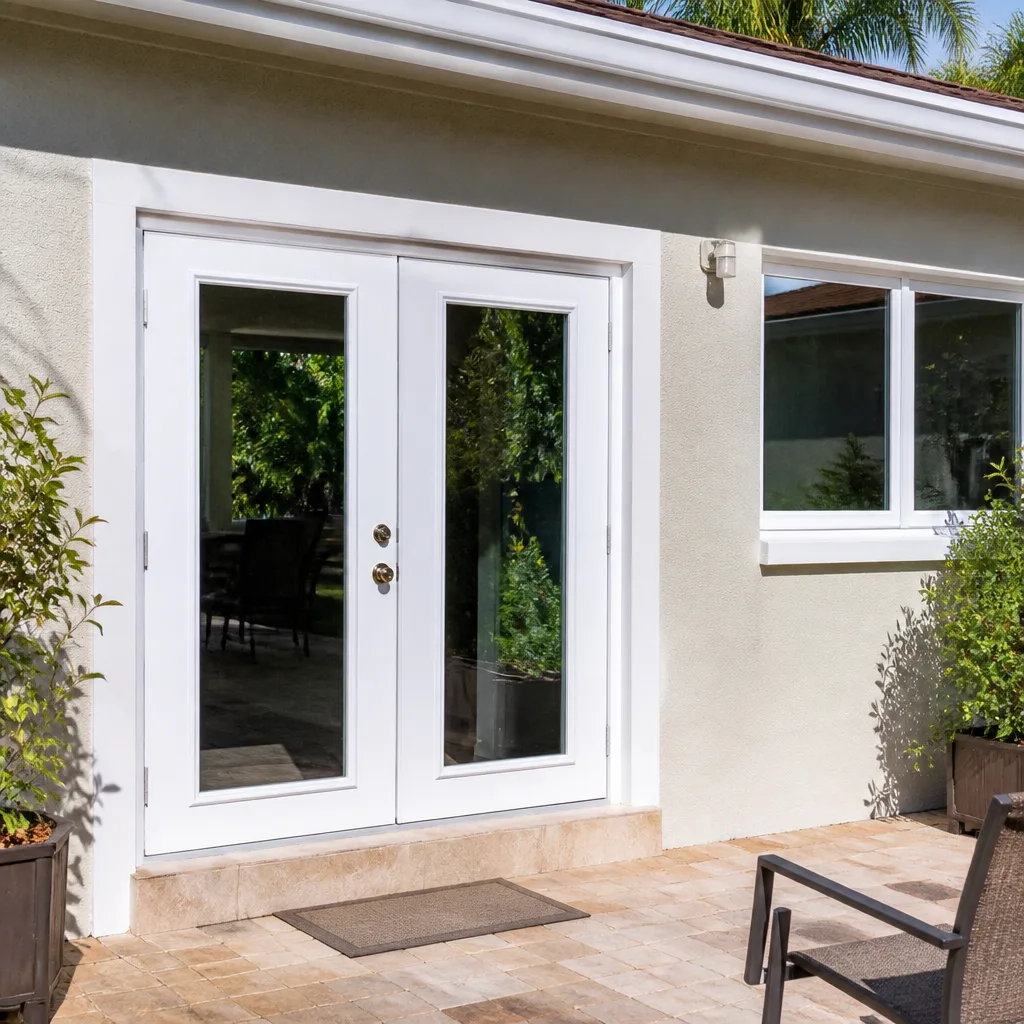 After
After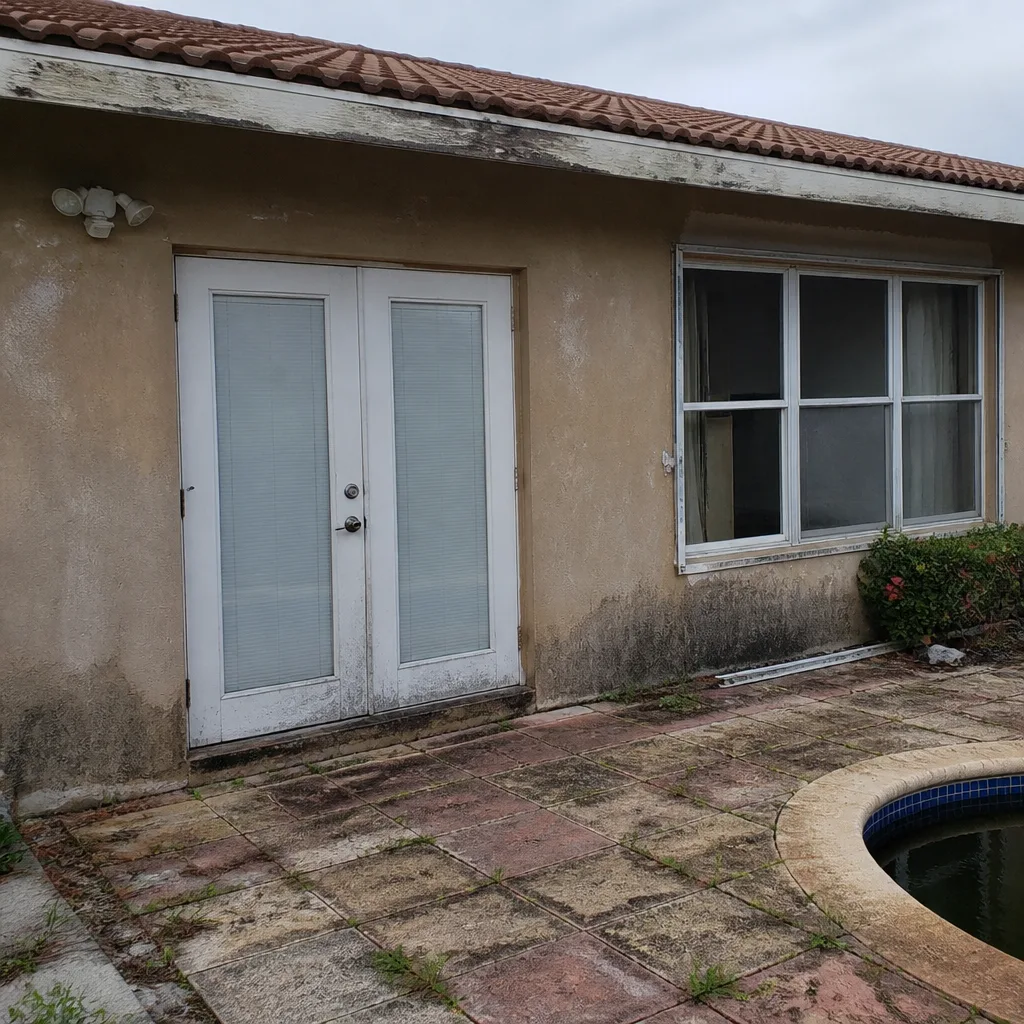 Before
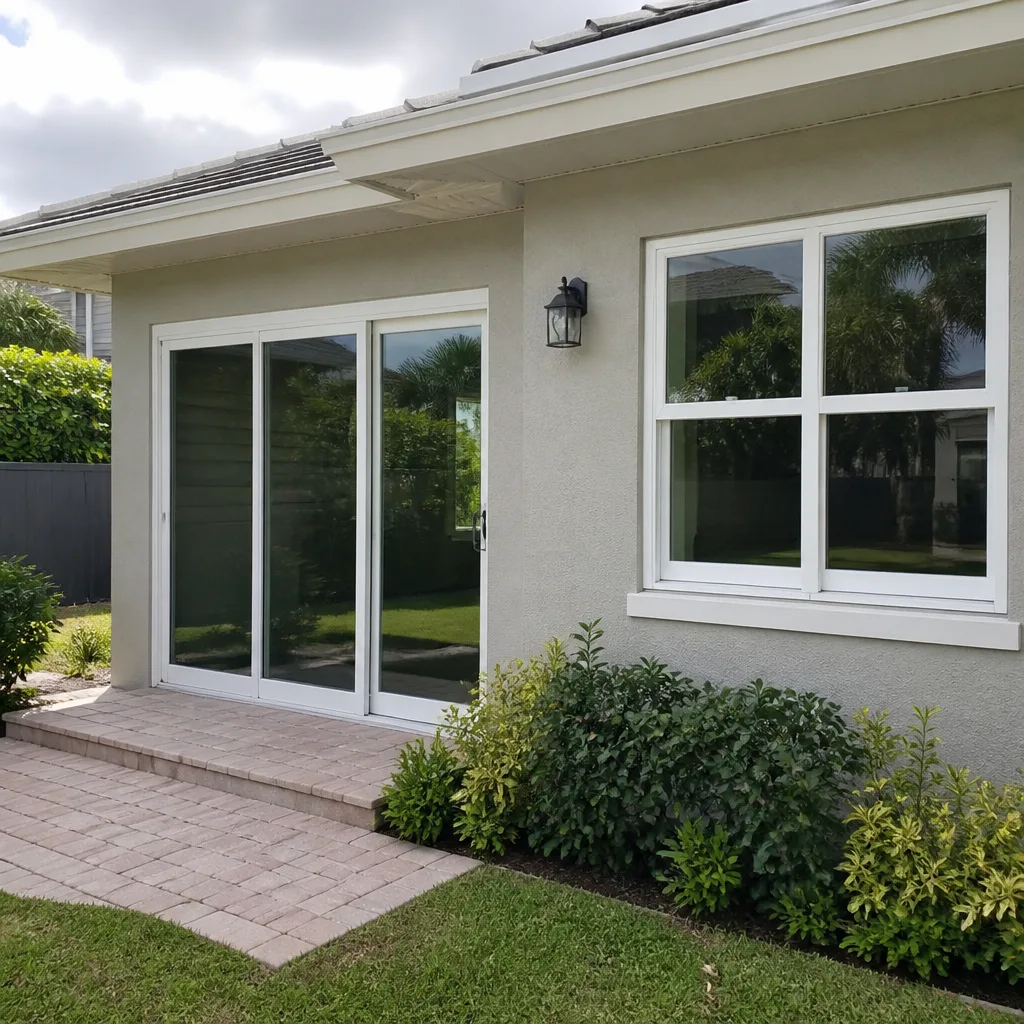 After
After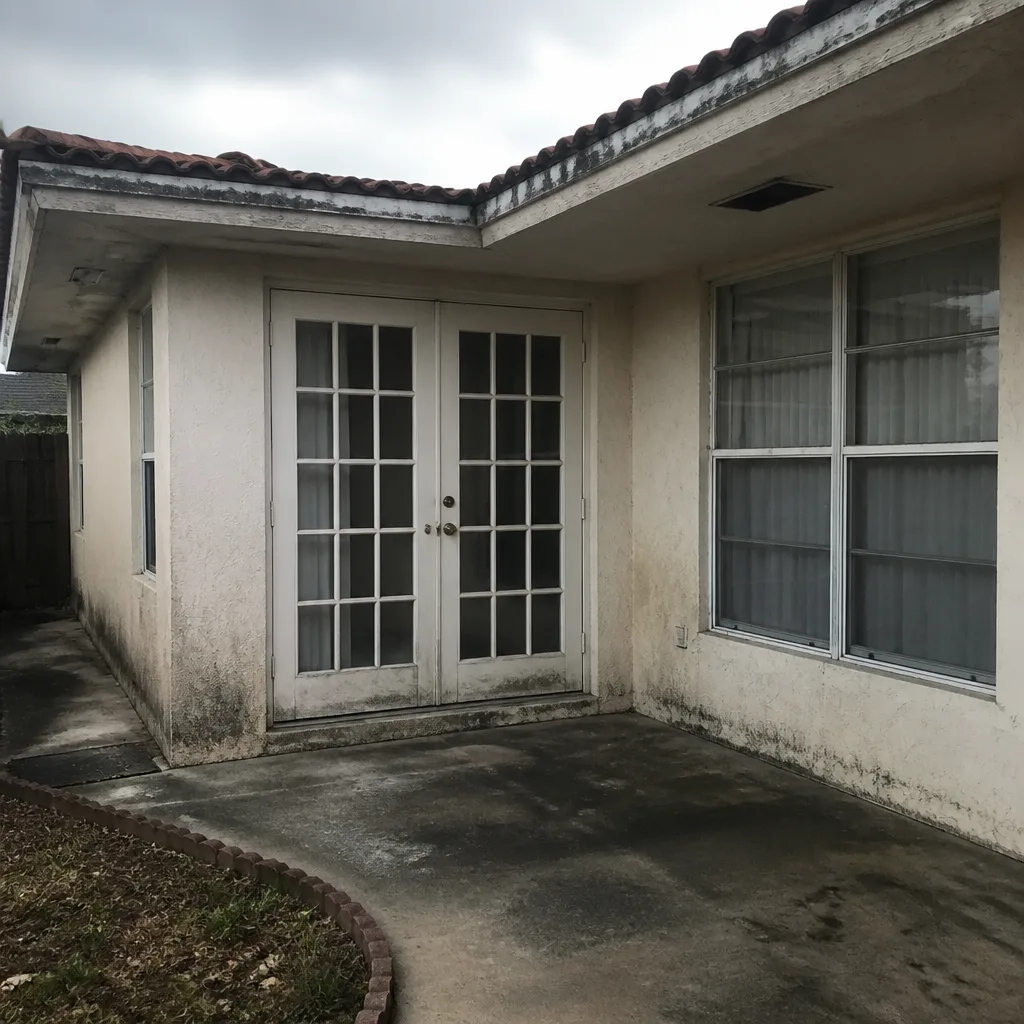 Before
 After
AfterImpact vs Non-Impact Windows in Lauderhill, FL: Choose Impact Unless You Have a Specific Reason Not To
For most Lauderhill homeowners, impact windows beat non-impact windows on every measure that matters: insurance savings, storm protection, noise reduction, UV blocking, and resale value. The only genuine reasons to consider non-impact are a tight budget on a house you’re selling within a year, or an HOA in a non-HVHZ pocket that prohibits certain frame styles, and even then, we usually recommend impact-rated laminated glass anyway. Call (850) 303-7739 for a straight answer on your specific house before you commit to any bid.
Lauderhill sits entirely inside Broward County’s High-Velocity Hurricane Zone, which means the building code here is not a suggestion. Impact windows are tested to survive a 9-pound 2×4 fired at 50 feet per second, then hold together through 9,000 cycles of positive and negative wind pressure. Non-impact windows are not. That single sentence decides the debate for most of the homes we measure in this city.
What Actually Differs Between Impact and Non-Impact Glass
We explain this to homeowners across Lauderhill the same way every time, because the marketing language around it has gotten muddled. Impact windows use laminated glass: two panes bonded to a clear interlayer, usually a product like SentryGlas or PVB from suppliers like CWS or ES Windows, so when something hits them, the glass cracks but stays in the frame. Non-impact windows use annealed or tempered glass in a single pane. A rock from a lawnmower or a thrown branch passes straight through. In hurricane conditions, that breach pressurizes your house and can lift the roof off.
Beyond the storm question, the interlayer does daily work. It blocks roughly 99% of UV radiation, which over ten years is the difference between a sofa that looks new and one that looks like it sat in a junkyard. It cuts exterior noise by about 35-40% compared to single-pane. If you live near the Turnpike, along Sunrise Boulevard, or under a flight path into Fort Lauderdale Executive Airport, you notice that by the second night. And the heavier frame systems used for impact-rated installations, whether aluminum from ECO Window Systems or vinyl from Mr-Glass, seal tighter than the thin-framed non-impact units common in Lauderhill’s older stock.
Why Lauderhill Homes Face a Bigger Gap Than Most Cities
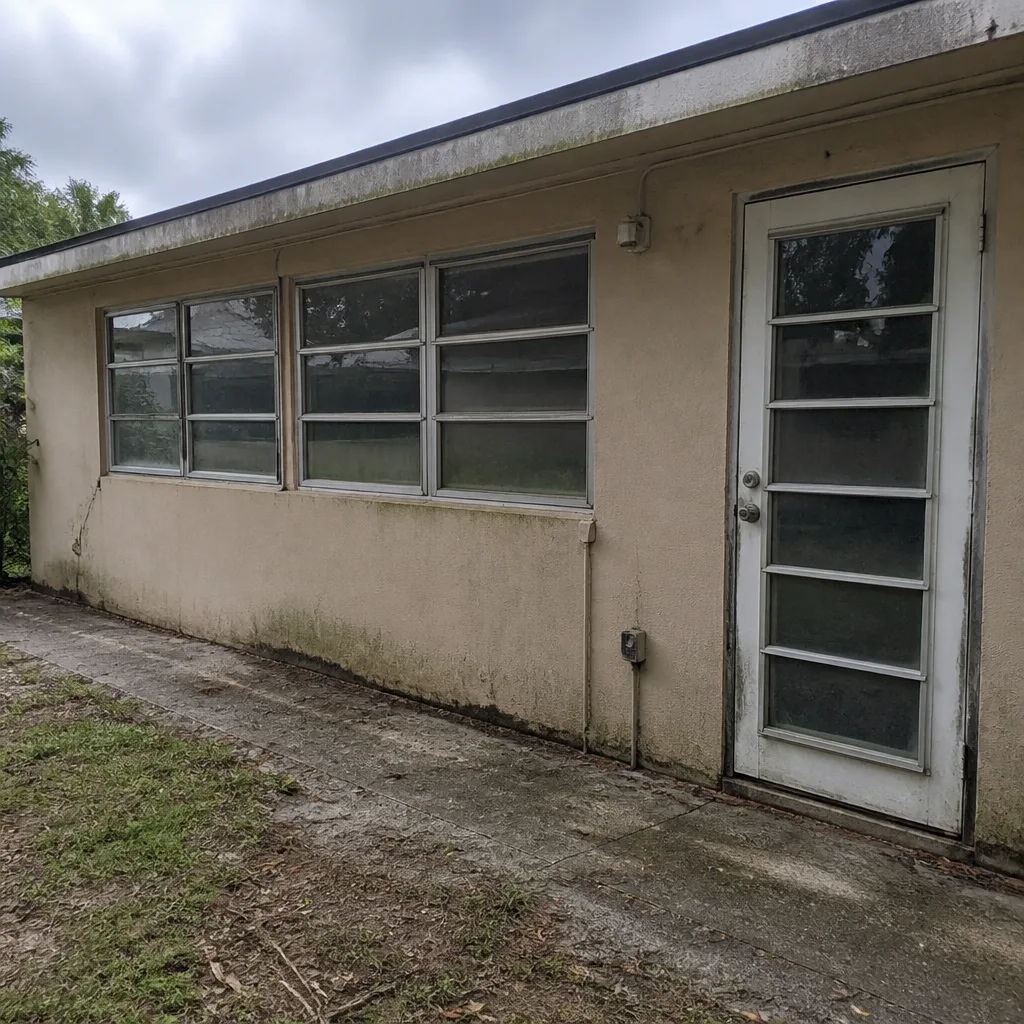
Lauderhill’s housing stock is 1960s and 1970s concrete block construction for the most part, and a large share of those original openings still have single-pane aluminum jalousie, awning, or sliding windows. Jalousie windows are louvered glass slats that never seal, never pass a wind test, and are specifically flagged by Broward insurers as uninsurable openings. Drive down NW 19th Street or the blocks around Inverrary and you can count them on nearly every other house. Those homeowners are not choosing between impact and non-impact in the abstract. They are choosing between a window that qualifies for insurance and a window their carrier will not write.
The Century Village communities throughout Lauderhill add another layer. Thousands of original units still have jalousie or thin aluminum sliders from the 1970s. Condo associations there have been phasing in impact requirements, and unit owners who wait get caught in a bind: the building mandates replacement, the insurance company refuses renewal, and the owner has two weeks to make a decision. Dale Kessler grew up off Oakland Park Boulevard in Lauderhill, reglazing windows with his father on weekends before he was old enough to drive. He knows these buildings, knows the original frame conditions embedded directly in CBS walls, and knows what the inspector will flag before the permit is even pulled.
Side-by-Side: What You’re Really Buying
| Factor | Impact Windows | Non-Impact Windows |
|---|---|---|
| HVHZ code compliance | Yes, with Miami-Dade / Florida product approval | No, cannot be permitted as protection in HVHZ |
| Broward insurance eligibility | Qualifies for wind mitigation credits, prevents non-renewal | Often triggers surcharges or outright non-renewal |
| Storm protection | Debris-rated, no shutters needed | Requires shutters or plywood, which fail if not installed |
| Noise reduction | 30-40% reduction from interlayer | Minimal |
| UV protection | Blocked at the glass, protects floors and furniture | Passes through, fades interiors |
| Lifespan in Florida heat and humidity | Sealed interlayer resists seal failure; heavy frames resist warping | Seals harden and crack within a few years; aluminum frames oxidize and pit |
| Typical installed cost per opening in Lauderhill | $900-$1,600 depending on size, frame, and glass package | $400-$700, plus shutters if required by code or insurance |
The non-impact price looks lower until you add qualified shutter systems or hurricane panels, which run $15-$30 per square foot installed and only work if someone is home to deploy them. If you’re not home, or the track jams, or you’re under an evacuation order, they protect nothing. We still install non-impact glass when a homeowner specifically requests it, usually in interior applications or outbuildings, but we write the limitation on the estimate in plain language. If the spec sheet doesn’t back it up, we don’t say it.
What to Look For When You Compare Bids
Whether you’re comparing impact versus non-impact or two impact estimates against each other, the same inspection discipline applies. We walk every Lauderhill opening before we quote, because the original CBS construction hides problems you cannot see from inside.
- Miami-Dade / Florida product approval number. This is not negotiable in Broward County’s HVHZ. If the window does not carry it, it is not an impact window regardless of what the invoice says. We put the approval number on every estimate.
- Frame condition in the wall. Lauderhill’s original aluminum frames sit directly in concrete block. Over decades, the block around the anchor points cracks, the frame twists, and water gets in. A proper install addresses the opening, not just the window set into it.
- Both warranty layers in writing. The glass has a manufacturer warranty and the installation has a workmanship warranty. We register both before our truck leaves your driveway under The Keystone Standard, and we put the durations in writing. You get no argument later about who covers what.
- The interlayer type. Not all laminated glass is equal. We quote product from CWS and ES Windows side by side so you see the actual glazing package and its performance ratings, not just a line item that says “impact glass.”
- Who shows up. Background-checked, uniformed technicians measure every opening twice. We do not subcontract the work out, and we do not send a salesperson with a binder and a four-hour pitch.
How Much Do Impact vs Non-Impact Windows Cost in Lauderhill?
Impact windows in Lauderhill run roughly $900 to $1,600 per opening installed, depending on the size, the frame material, and the glass package. A standard 36-by-72-inch single-hung impact window in vinyl or aluminum typically lands around $1,100 to $1,400. Larger sliders, picture windows, or custom shapes push toward the top of that range. Non-impact windows in the same openings run $400 to $700, but that number is incomplete without the shutter or panel system Broward insurance will demand, which adds $15 to $30 per square foot.
The real math includes the annual insurance premium difference. Homes in Lauderhill with documented impact-rated openings routinely see wind mitigation discounts in the hundreds of dollars per year. Over a 10-year window, the impact package often pays for itself through premiums alone. Add the fact that impact units do not take storm-shutter labor, do not fail from seal degradation the way Florida’s humidity forces on single-pane units, and do not require replacement every 15 years, and the non-impact option stops looking cheaper.
Can You Mix Impact and Non-Impact Windows on the Same House?
Yes, and we do it regularly in Lauderhill when a homeowner is replacing openings in phases. What you cannot do is claim the house is fully protected or qualify for the full insurance credit until every opening meets HVHZ code. We map out a phased plan for homeowners who want to spread the cost: front elevations first, then sides, then doors. Each phase gets its own permit and its own product approval documentation, so the insurance company has a record of progress even before the job is complete.
FAQs
Yes, for any new construction or replacement window permitted in Lauderhill, the unit must carry Miami-Dade or Florida product approval for high-velocity hurricane zones, and non-impact glass does not qualify. Existing non-impact openings can remain until they are replaced, but Broward insurers are increasingly non-renewing policies on homes that still have them.
Impact windows run $900-$1,600 per opening installed in Lauderhill, while non-impact run $400-$700, but non-impact requires a separate shutter or panel system for code and insurance compliance, adding $15-$30 per square foot. Call (850) 303-7739 for an exact quote on your specific openings; our estimates are free and we put every number in writing before you sign.
Yes, Broward insurers apply wind mitigation credits to homes with documented impact-rated openings, and homes without them are facing surcharges or outright non-renewal. The annual premium reduction varies by carrier and home construction, but we provide the documentation your insurer needs, including product approval numbers and permit records, so the credit actually gets applied.
Yes, and that is the majority of our work in Lauderhill’s 1960s and 1970s CBS homes. The original frames often sit directly in concrete block with deteriorated anchors, so we remove them and set the new impact unit into a properly prepared opening rather than trying to retrofit into metal that has spent fifty years oxidizing in Florida humidity.
In the short term, yes, repairing a single-pane window costs less than replacing it with impact-rated glass, but if the window is original to a Lauderhill home built before the 1990s, the repair is temporary and the insurance exposure remains. We offer a maintenance check and a free written repair estimate for homeowners who need to buy time before a full replacement, and a live person answers the phone 24/7 if you want to talk through the math.
If you’d rather have it looked at in person, TruePane Windows & Doors offers a no-pressure assessment in Lauderhill. We’ll measure every opening, show you impact and non-impact quotes side by side on paper, and register both warranty layers before we leave the driveway if you decide to move forward. Call (850) 303-7739 for a free estimate.
Written by Dale Kessler, Owner, TruePane Windows & Doors at TruePane Windows & Doors, serving Lauderhill, FL.
Six Reasons Homeowners Choose TruePane Windows & Doors
Impact systems engineered to design pressures up to +/-100, matched to your wind zone - your openings hold when the storm arrives.
Low-E insulated impact glass from our manufacturer lines commonly cuts monthly cooling bills 20-30%.
Laminated impact glass shuts out up to 40% of outside noise - traffic, neighbors, weather.
Monitoring services run $30-90 a month. Laminated impact glass resists forced entry around the clock, with no subscription.
Florida homeowners average around 25% savings on the windstorm portion of their policy after protecting every opening - some homes qualify for more.
A full impact package upgrades curb appeal, buyer confidence and appraised value in one project.