
Free in-home measure and quote - PGT, CGI and CWS impact lines compared on your actual openings, style by style
Sliding glass doors
Impact garage doorsPGTCGI
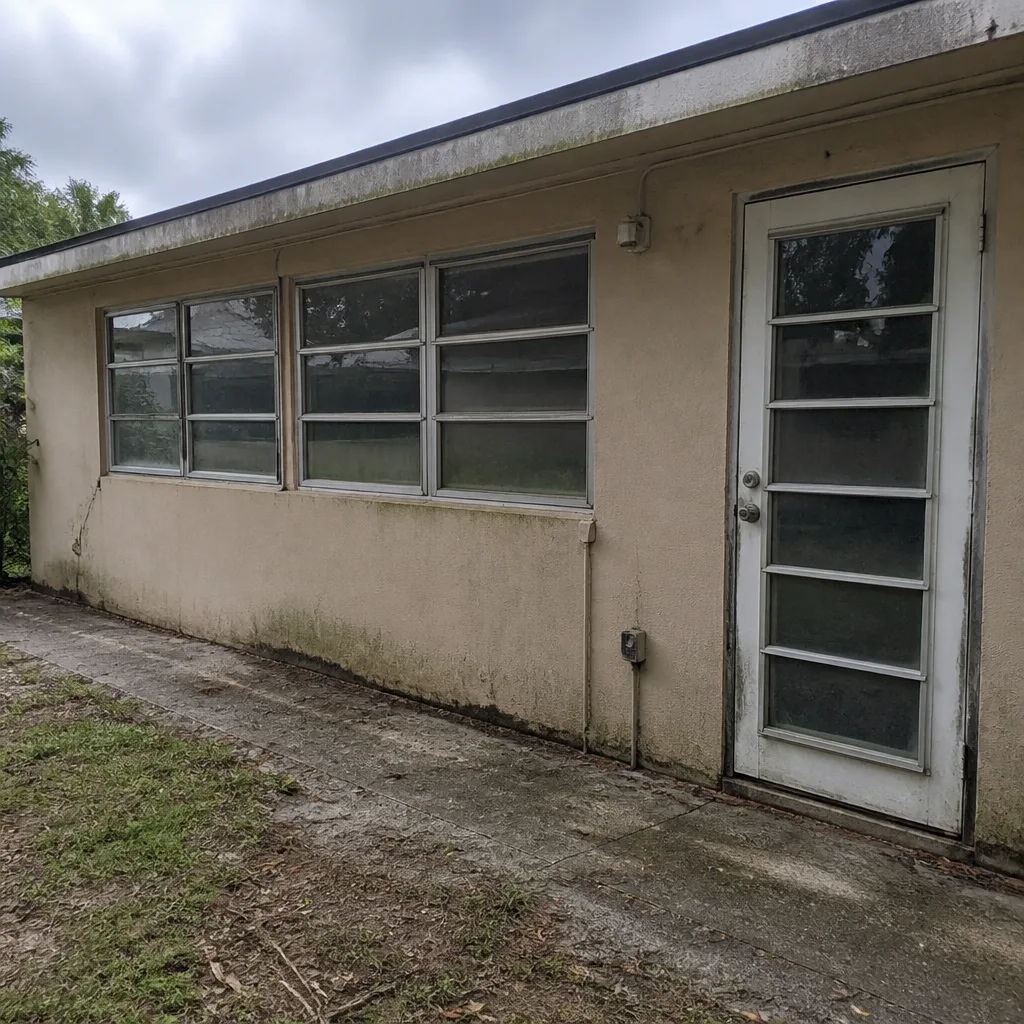 Before
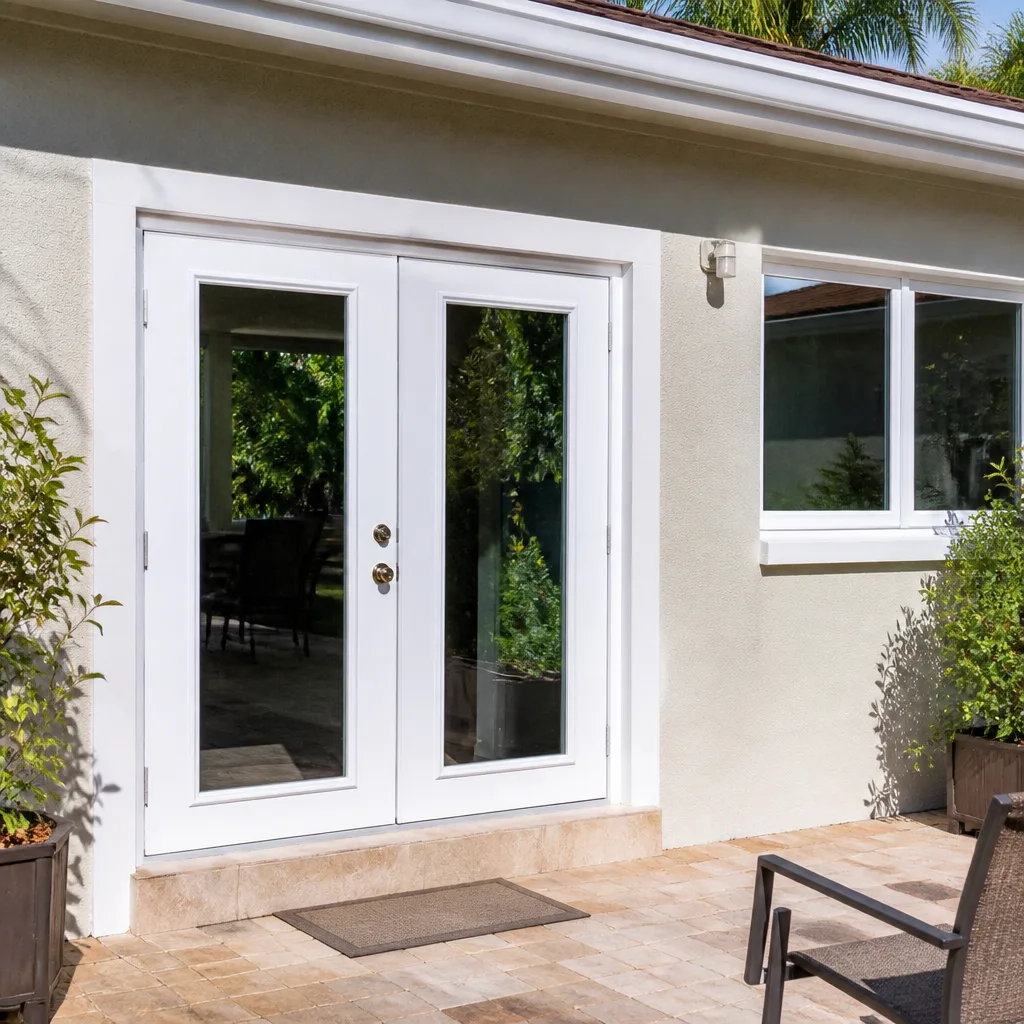 After
After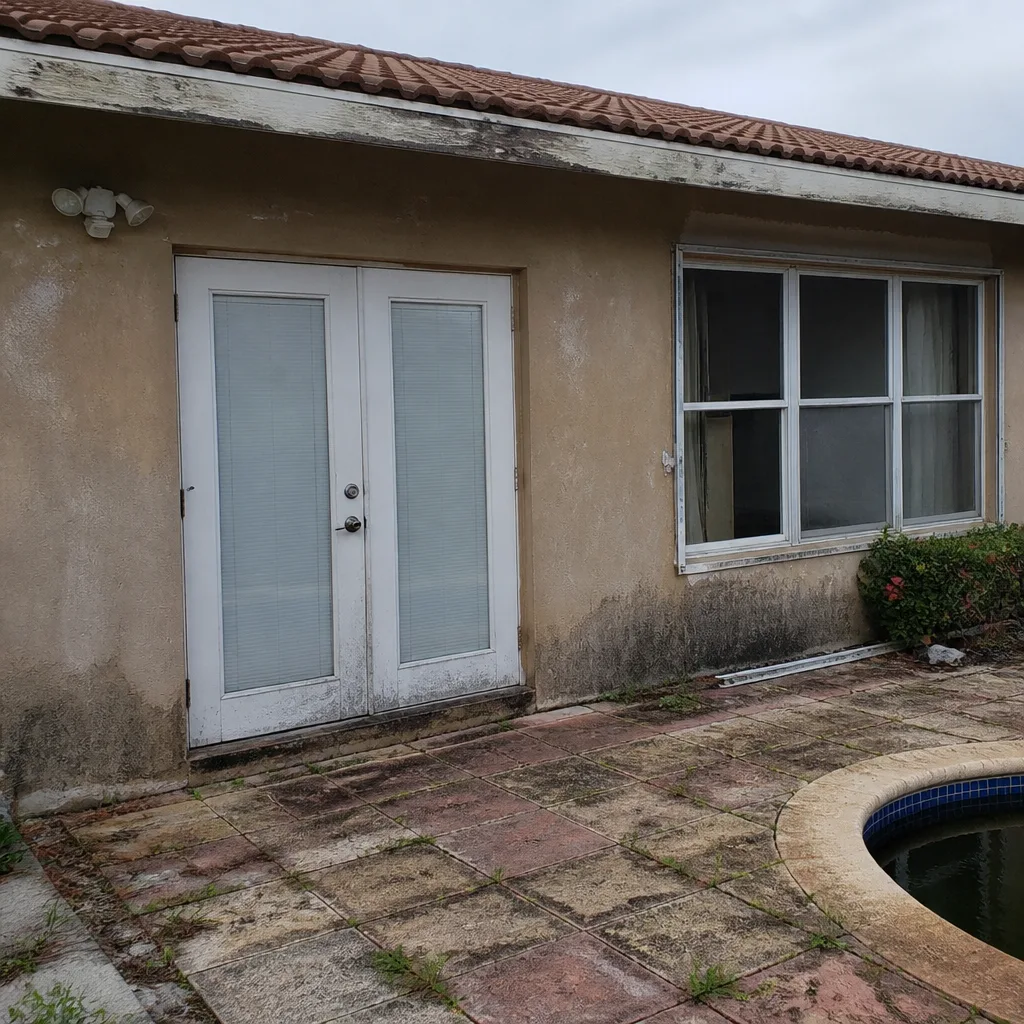 Before
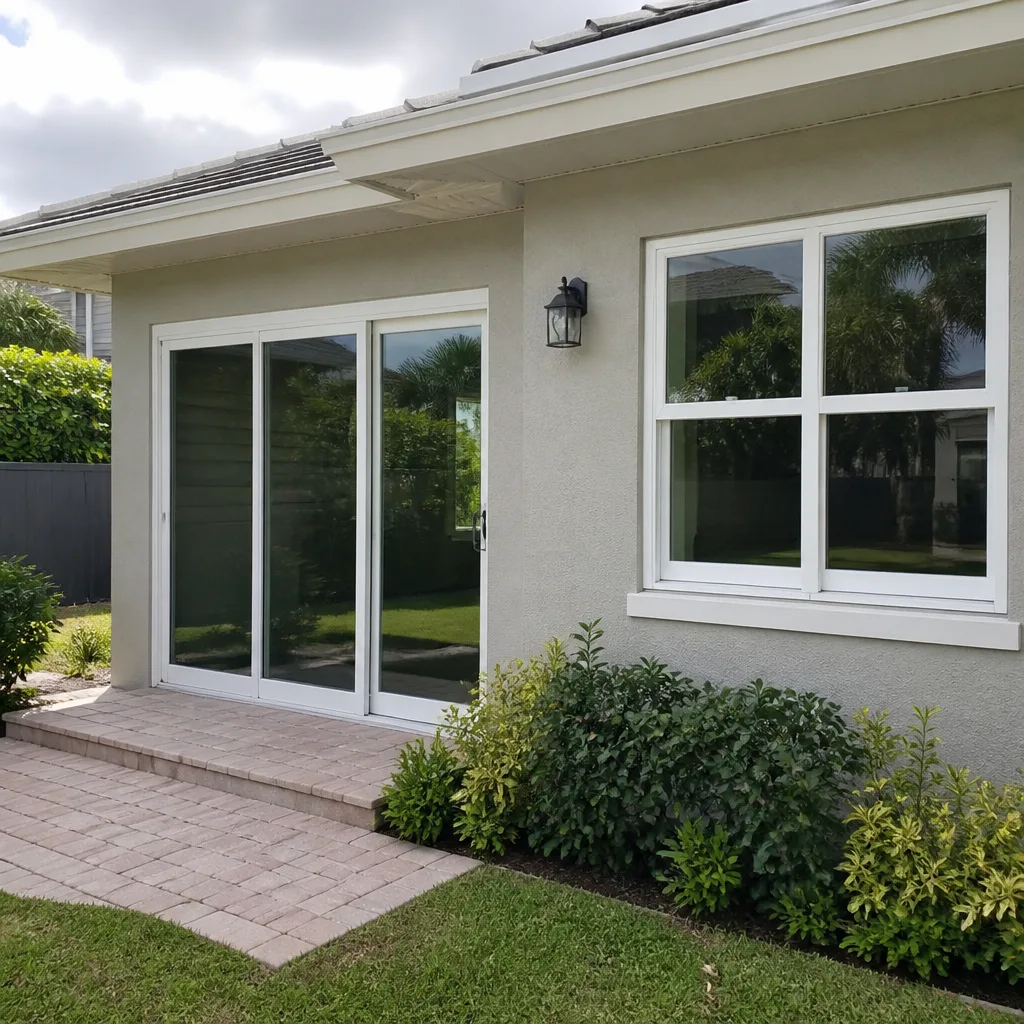 After
After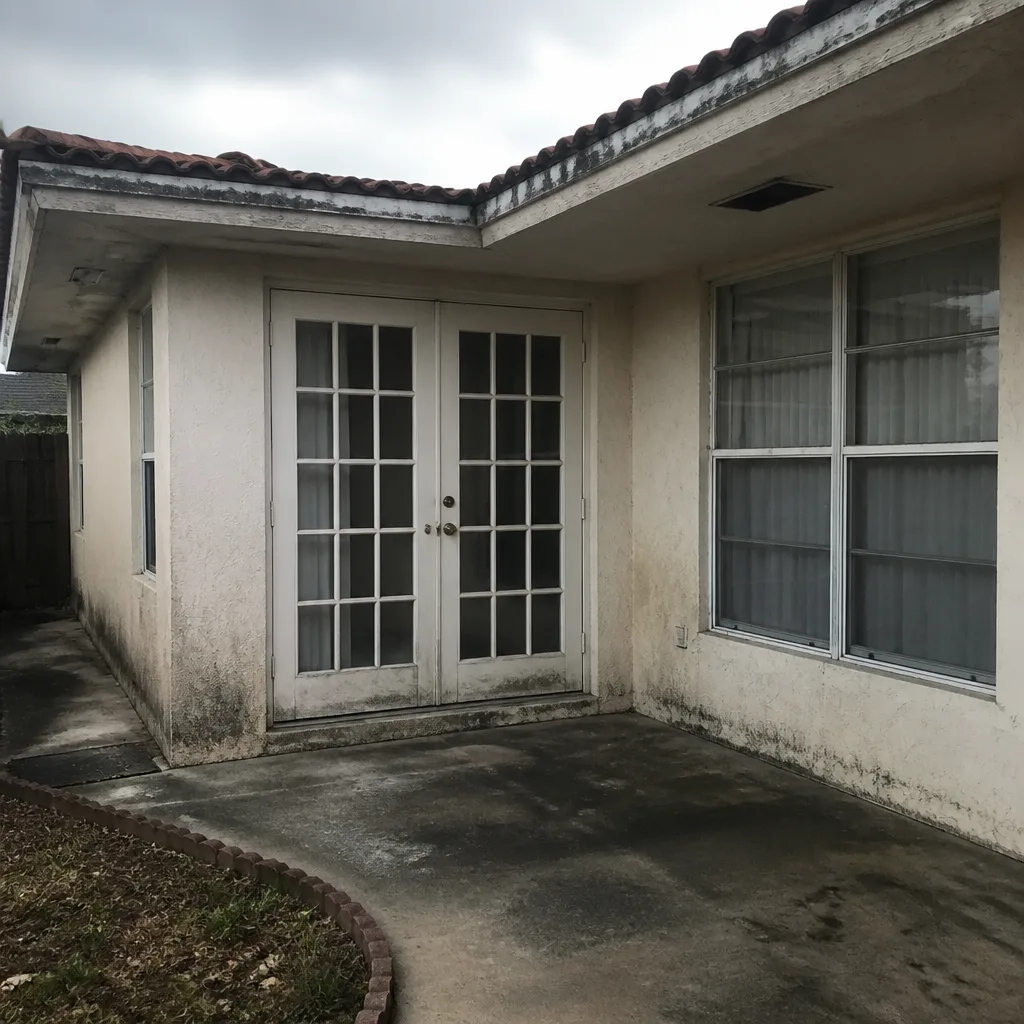 Before
 After
AfterSeven Signs Your Lauderhill Windows Are Finished, and What They’ll Cost You If You Ignore Them
The clearest signs you need to replace your windows are visible condensation or fog between glass panes, drafts you can feel from a few inches away, frames that have warped or rotted to the point they no longer close square, and rising energy bills without a matching change in your habits. In Lauderhill, where original 1960s and 1970s single-pane aluminum jalousie windows still sit in thousands of homes, the replacement timeline is often years overdue before anyone calls us at (850) 303-7739. Here’s how to read the signals before an insurance carrier or a summer storm reads them for you.
1. The Glass Fogs from the Inside, Not the Outside
If you’re wiping condensation off the inside of a double-pane window and it won’t clear, the seal between the panes has failed. Moisture has gotten into the space that’s supposed to hold dry air or argon gas. Once that seal goes, the window is no longer insulating anything. It’s a slow death. In Lauderhill’s humidity, a failed seal also invites mildew into the frame channel, which then gets into the wall cavity of a CBS block home where it festers behind drywall.
We see this constantly in Century Village Lauderhill, where original aluminum sliders from the 1970s still hold single panes and the sealant around them has petrified into something closer to chalk than rubber. The fix isn’t a repair. It’s a replacement. You can replace the insulated glass unit in some cases, but if the frame is pitted and the track is worn, you’re throwing good money into a frame that’s already failed.
2. You Can Feel a Draft Without Touching Anything
Stand near a window on a windy afternoon. If you feel air moving across the back of your hand from six inches away, the window isn’t sealing. The weatherstripping on original Lauderhill aluminum frames hardens and cracks within a few years under Broward County UV exposure. Aluminum frames oxidize, pit, and lose their tolerances. The window doesn’t close tight anymore, and it won’t.
A draft is the most common sign we find on service calls to the ranch homes along NW 19th Street and the streets around Inverrary. The homeowner usually tells us the air conditioning runs constantly and the bill keeps climbing. They think the AC is the problem. It isn’t. It’s the windows bleeding conditioned air into the yard.
3. The Frames Are Pitted, Chalky, or Bleeding White Powder
Run your finger along the aluminum frame. If it comes away with a white, chalky residue, that’s galvanic corrosion. Salt air, humidity, and decades of thermal cycling have started eating the frame. Once the oxidation gets into the corners where the frame welds or screws together, the window loses its structural integrity. The glass sits loose. The sash sags. Eventually, the whole unit can drop out of the opening during a wind event.
This is a safety issue in Lauderhill, not a cosmetic one. We’re inside Broward County’s High-Velocity Hurricane Zone, which means every replacement window must meet Florida/Miami-Dade product approval standards for impact resistance. An original 1968 jalousie frame with corroded corners isn’t just inefficient. It’s a liability your insurer is looking for a reason to drop.
4. Jalousie Windows: The Elephant in the Room
Lauderhill has one of the highest concentrations of jalousie windows still in daily service anywhere in Broward County. If you drive the blocks around NW 19th Street or the older neighborhoods off Oakland Park Boulevard, you can count them on nearly every other house. These louvered glass slats were designed for ventilation in a pre-air-conditioning era. They were never designed to seal against wind-driven rain, and they certainly weren’t designed to meet current HVHZ code.
Insurance carriers have caught on. Broward insurers are actively surcharging or non-renewing policies on homes with unprotected openings, and jalousie windows are specifically flagged as uninsurable by many underwriters. If you have them, the sign to replace isn’t subtle. It’s the renewal letter sitting in your stack of mail.
We grew up around these windows. Dale Kessler, our owner, spent weekends as a kid on Oakland Park Boulevard helping his father caulk and reglaze jalousie windows for neighbors who couldn’t afford a full replacement. He’ll tell you the same thing he told them then: a jalousie window can be kept alive with new clips and fresh caulk for a season, maybe two. But in Lauderhill’s HVHZ, the day comes when keeping it alive costs more than replacing it, and the insurance math stops working long before the glass does. If the spec sheet doesn’t back it up, we don’t say it.
5. Windows That Stick, Bind, or Won’t Lock
A window that needs two hands to open, or won’t stay open, or won’t lock, is telling you the frame is out of square. This happens when the CBS wall settles, when the original install wasn’t shimmed correctly, or when aluminum frames warp from years of thermal expansion. In Lauderhill’s concrete block construction, the window frame is often embedded directly in the block, and there isn’t a trim board to hide behind. The frame is the structure.
If you can’t lock your windows, you can’t secure your home. And in hurricane season, an unlocked or out-of-square window can be the first thing to go when the wind starts pressing on the face of the house. We tell homeowners this all the time: a window that won’t lock isn’t just inconvenient. It’s a weak point in the building envelope, and wind finds weak points.
6. The Energy Bill Tells You Before the Window Does
Pull your last twelve months of FPL bills. If the summer numbers keep rising and you haven’t changed the thermostat setting, your windows are likely the biggest leak in the house. Single-pane aluminum with failed seals and cracked weatherstripping might as well be an open hole in the wall from an energy perspective.
We don’t sell windows based on some vague promise of lower bills. We quote the numbers. An energy-efficient replacement window in a Lauderhill ranch home, properly sealed and installed, can cut the solar heat gain through the glass by half or more depending on the glazing package. The window doesn’t make the house cooler by magic. It stops the sun’s infrared energy from getting inside in the first place. That’s a measurable difference, and it’s one of the reasons the payback period in South Florida is shorter than most people expect.
Key Takeaways: The Signs That Mean Replacement, Not Repair
- Fog or condensation between panes means the insulating seal is dead. The glass unit has to go.
- Drafts from a foot away mean the frame or weatherstripping has failed. Caulk won’t save it.
- Chalky, pitted, or corroded aluminum frames are structurally compromised, not dirty.
- Jalousie windows in Lauderhill are a known insurance liability. If the insurer hasn’t flagged them yet, they will.
- Sticking, binding, or non-locking windows signal an out-of-square frame and a weak point in the envelope.
- Rising FPL bills without a thermostat change almost always trace back to glass and frame failure.
Repair or Replace: The Honest Math
Some windows can be repaired. A broken sash cord on an old wood window is a repair. A cracked piece of glass in an otherwise solid frame is a repair. But when the frame is pitted, the seal is failed, the window won’t lock, and the unit predates current HVHZ code, the honest answer is replacement. We tell homeowners this even when it means we don’t get the repair call. A repair on a window that’s already failed in three ways is a partial fix that buys you a year at best, and it doesn’t solve the insurance problem.
If you’re not sure which camp you’re in, that’s exactly what an assessment is for. We’ve been doing Window Replacement in Lauderhill long enough to know that most homes we visit fall into the replacement camp, but we’ll tell you straight either way.
What Replacement Costs Look Like in Lauderhill
Here’s a straightforward look at what you’re dealing with, based on the homes we’ve quoted across Lauderhill over the years. These are ranges for typical residential work, not quote promises. Every house is different, and the frame condition in a 1968 CBS ranch is not the same as a 1990s addition.
| Window Type | Typical Price Range (installed, per opening) | Notes |
|---|---|---|
| Single-hung impact (PGT or CGI) | $950 – $1,800 | Most common replacement in Lauderhill ranch homes |
| Horizontal roller (impact, M3 or similar) | $850 – $1,600 | Common for bedroom windows needing egress |
| Fixed picture window (impact glass) | $700 – $1,500 | Cost depends heavily on overall square footage |
| Jalousie-to-impact conversion | $1,100 – $2,200 | Includes frame removal and CBS opening rework |
| Sliding glass door (impact) | $3,500 – $7,000 | Price swings on width and manufacturer line |
These numbers reflect the authorized lines we carry, including PGT, CGI, and ES Windows. When we quote a job, we put the manufacturer lines side by side on paper so you can see exactly what each option gives you for the money. Both warranty layers get registered in writing before our truck leaves the driveway. That’s part of what we call The Keystone Standard, and it’s backed by our Done Right Promise. If it’s not done right, we make it right. No paperwork fights.
FAQs
If the frame is sound and only the glass or hardware is broken, a repair usually makes sense; but if you have fogged panes, drafts, corroded frames, or original jalousie windows in Lauderhill, replacement is almost always the more honest long-term answer. The deciding factor is usually whether the frame can still hold a seal and meet current HVHZ standards. If you’re uncertain, call us at (850) 303-7739 and we’ll tell you straight.
The clearest failure signs in Lauderhill’s heat and humidity are condensation between the glass panes, visible frame pitting or chalky corrosion, drafts you can feel from inches away, and windows that will not lock square. South Florida’s UV exposure and moisture accelerate seal failure, so many homes we visit show two or more of these signs at once.
Yes, and it’s the single most common upgrade we do in older Lauderhill neighborhoods where original jalousie windows still dominate. The conversion means removing the louvered frame, reworking the opening in the CBS block, and installing a code-approved impact window. It also usually resolves the insurance surcharge or non-renewal problem that comes with unprotected jalousie openings.
Most Lauderhill homeowners pay between $850 and $2,200 per window installed depending on size, frame condition, and whether the opening requires structural rework. Impact-rated lines from PGT, CGI, and ES Windows fall on the higher end of that range, while a basic fixed window on a newer frame lands lower. Call (850) 303-7739 for a free, no-pressure estimate with the numbers on paper before you decide.
If You’d Rather Have It Looked At
We get it. A window that fogs up in the morning and clears by noon is easy to live with. A draft that only shows up in January is easy to forget by March. But in Lauderhill, the windows that are telling you they’re done are the same windows your insurer is already looking at. TruePane Windows & Doors offers a straightforward, no-pressure assessment in Lauderhill. We’ll walk the house with you, point out what’s failing and what can wait, and give you numbers in writing. Call (850) 303-7739 and a live person will answer, day or night.
Written by Dale Kessler, Owner, TruePane Windows & Doors at TruePane Windows & Doors, serving Lauderhill, FL.
Six Reasons Homeowners Choose TruePane Windows & Doors
Impact systems engineered to design pressures up to +/-100, matched to your wind zone - your openings hold when the storm arrives.
Low-E insulated impact glass from our manufacturer lines commonly cuts monthly cooling bills 20-30%.
Laminated impact glass shuts out up to 40% of outside noise - traffic, neighbors, weather.
Monitoring services run $30-90 a month. Laminated impact glass resists forced entry around the clock, with no subscription.
Florida homeowners average around 25% savings on the windstorm portion of their policy after protecting every opening - some homes qualify for more.
A full impact package upgrades curb appeal, buyer confidence and appraised value in one project.